
Last updated October 30, 2026
 Kitchen remodeling
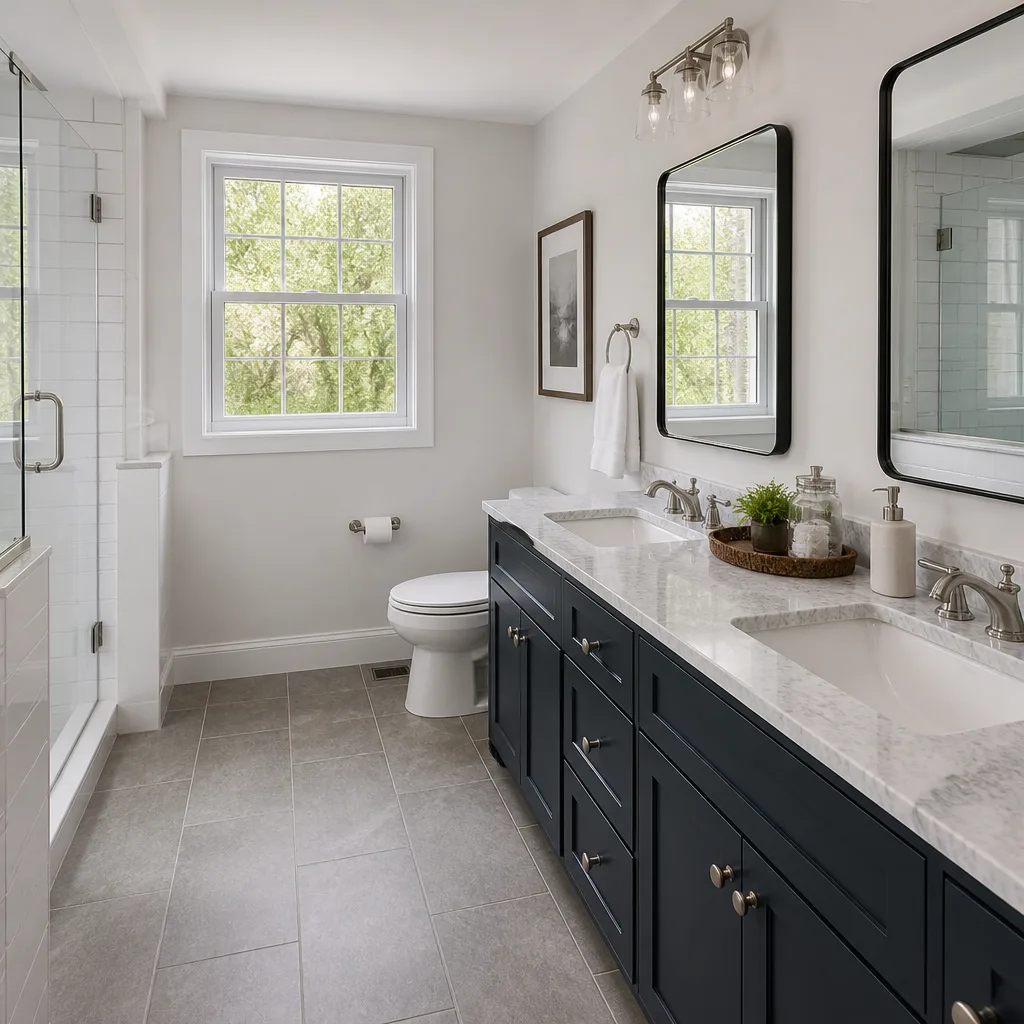 Bathroom remodeling
 Home additions & ADU
 Roofing
 Windows & doors
 Driveway & pavers
 Fence
Free written scope consultation - allowances, timeline, and change-order rules on paper before a single trade is scheduled
General Contractor Troubleshooting: Common Problems and How to Fix Them
The most expensive word in residential construction is “overlap.” When two trades each assume the other handled weatherproofing, waterproofing, or flashing at a transition point, and neither did, the resulting failure can cost five times what doing it right the first time would have. This guide gives you a diagnostic framework, not just a symptom list, so you can identify whether your problem is a material failure, an installation error, or a coordination gap, and then have the right conversation with your general contractor. Homeowners across Hesperia and the High Desert face these same patterns, and knowing which category you’re dealing with changes everything about the fix.
Quick Answer
Most general contractor problems fall into one of three categories: material failure, installation error, or coordination gaps between trades. The right fix depends on correctly identifying which category you’re in, then documenting the issue with photos, dates, and written communication so you can have an accountability conversation backed by evidence rather than frustration. Call (833) 467-4075 for a free estimate if you’re in Hesperia and need a professional assessment.
Styles & brands we work with
Table of Contents
- The Three-Category Diagnostic Framework
- Material Failure: When Products Don’t Perform
- Installation Error: When the Work Itself Fails
- Coordination Gaps: The Overlap Problem
- Hesperia Transition Points: Thermal Expansion and Desert Conditions
- How to Document a Construction Problem the Right Way
- Warranty Claim, Design Deficiency, or Code Violation?
- Red Flags During Remediation Conversations
- Common Mistakes to Avoid
- When to Call a Professional
- Frequently Asked Questions
The Three-Category Diagnostic Framework
Construction problems are not random. They cluster into three predictable patterns, and each pattern points to a different responsible party, a different remedy, and a different kind of conversation you need to have. Once you learn to see the categories, you stop wasting time arguing about symptoms and start addressing causes. In our experience working with homeowners throughout Hesperia, the fastest path to a real fix is identifying the category before you pick up the phone. For how to hire a construction contractor in Hesperia: a step-by-step guide, see our dedicated resource.
The three categories are:
- Material failure: The product itself did not perform as specified. This points to the manufacturer, and remedy usually comes through a warranty channel.
- Installation error: The material was fine, but the way it was put in created the failure. This points to the contractor or the specific trade crew, and remedy comes through workmanship correction.
- Coordination gap: No single trade did anything obviously wrong, but at the handoff point between two scopes, something got missed. This is the most expensive category because responsibility is murky and repairs often require undoing finished work from both trades.
Here is why this matters: if you treat a coordination gap like an installation error, you’ll call back the electrician for a leak, and they’ll rightly point at the roofer. If you treat a material failure like an installation error, you’ll demand the contractor redo work that will fail again the same way. The category determines the fix. Our team at Hampton Contractors home walks every client through this framework at project kickoff because it sets expectations that last the whole build.
For a homeowner in Hesperia dealing with a finished project that’s now showing problems, start by writing down what failed, when you first noticed it, and who touched that part of the job last. Then read the next three sections and decide which category fits.
Material Failure: When Products Don’t Perform
Material failure means the product itself is defective or not suitable for the application it was specified for. We’ve seen cases where a window seal failed within two years, where a paver finish delaminated in the first summer, and where a roofing membrane cracked prematurely under High Desert UV exposure. None of these were installation issues. The crews did what the manufacturer specified, and the product still failed.
Material failures tend to follow these patterns:
- Uniform failure: Every window of the same line fogs the same way, or every paver in a lot shows the same surface issue. Uniformity points to product, not workmanship.
- Failure at the product’s own seams or joints: If a countertop cracks along a factory seam, that is a fabrication defect. If it cracks at a stress point the installer cut, that is installation error.
- Known product-line issues: Manufacturers issue recalls and technical bulletins. Before you assume your contractor did something wrong, search the brand name plus the symptom. A quick check on Therma-Tru door products, for example, often turns up service bulletins that clarify whether the issue is covered.
The remedy for material failure is almost always through the manufacturer’s warranty, and the contractor’s role is to facilitate that claim. A good general contractor will pull the original purchase records, submit product photos per the manufacturer’s format, and push for a replacement or a labor allowance. A contractor who ghosts you the moment a product fails is revealing where their accountability ends. When we’re working on a Home Remodeling in Hesperia project, we register every product warranty at closeout and hand the homeowner a binder with the paperwork, because material failures do happen and the warranty process should not require a treasure hunt.
Installation Error: When the Work Itself Fails
Installation error means the product was fine, but the way it went in created the problem. This is the category where contractor accountability is clearest and the fix is usually straightforward: identify the specific step that was skipped or done wrong, correct it, and inspect the surrounding work for collateral damage.
Common installation errors we’ve corrected on High Desert homes include:
- Improper flashing sequence at roof penetrations: Shingles installed before the flashing, so water runs under instead of over. This is a sequence error, and the fix is to remove and reflash the penetration correctly.
- Cabinet leveling shortcuts: One cabinet hung out of level, which throws the countertop install off, which throws the tile splash off. The error compounded, and the fix means removing finish work that should never have been installed over an out-of-level base.
- Insufficient mortar coverage under large-format tile: Large-format tile needs near-full coverage, not the dab-and-set method that works for smaller pieces. Spot-bonded large tile cracks under point loads, and the repair means pulling and resetting the whole floor.
- Window units shimmed incorrectly: A window that’s shimmed tight against the frame instead of supported at the corners will bind over time, and the operating sash will drag or stick. The fix is removing interior trim, reshimming, and reinstalling.
The conversation for installation error is direct: point to the specific step that was done wrong, reference the manufacturer’s installation spec, and ask for a written correction plan. You are not asking for a favor. You are asking a licensed contractor to bring their work up to the standard they promised. In Hesperia, where the city’s building department keeps permit records on file, you can also request a reinspection if the original inspection missed the defect. That is a legitimate accountability tool, not a nuclear option.
Coordination Gaps: The Overlap Problem
This is the category that separates a real general contractor from a paper pusher. A coordination gap happens when two scopes of work meet, and each trade assumes the other one owns the transition. The most expensive fixes in residential construction live at these seams: roof-to-wall, deck-to-house, window-to-stucco, slab-to-framing, and shower pan-to-drain.
Examples we have seen:
- Roof-to-wall at a second-story addition: The roofer steps the shingles up the wall, but the sider didn’t flash over the step flashing because they assumed the roofer would. Water gets behind the siding and travels down inside the wall cavity. By the time you see a stain, the sheathing is already compromised.
- Deck ledger against the house: The framer attaches the ledger, but no one installs the through-bolts at the required spacing because hardware layout wasn’t communicated. The deck looks fine for a year, then starts pulling away under load.
- Window-to-stucco on a re-side job: The window installer leaves the perimeter ready for flashing tape, the stucco crew runs lath to the window, and nobody installs the tape. Water enters through the gap behind the stucco trim.
Coordination gaps are why single-contractor accountability matters. When a homeowner hires separate trades for a multi-phase project in Hesperia, every transition point becomes a potential orphan: no one owns the seam, and every trade’s contract technically ends at their own scope line. A General Contractor in Hesperia who carries multiple scopes under one contract owns every transition because there is no one else to point at. That does not guarantee zero gaps, but it guarantees one throat to choke when a gap appears, and that is worth more than any individual trade discount.
Hesperia Transition Points: Thermal Expansion and Desert Conditions
The High Desert creates specific failure patterns that look like contractor negligence but often trace back to wrong spec selection for the climate. See our seasonal construction care for Hesperia: year-round homeowner’s guide for climate-specific maintenance timing. Hesperia sees daily temperature swings that can exceed 40 degrees, especially in spring and fall. Materials expand and contract every single day, and transition details that work in coastal climates fail here within a few seasons.
The transition points we watch most carefully on Hesperia homes:
- Stucco-to-window interfaces: Stucco is rigid. Windows expand and contract. The joint between them needs a backer rod and a high-quality sealant that stays flexible, or you get hairline cracks that admit water during winter rains.
- Concrete slab-to-framing connections: Slabs move with soil moisture changes, and High Desert soil here is expansive in places. Anchor bolt placement and sill seal details matter more than they do in stable-soil regions.
- Paver patios over expansive soil: Pavers handle movement better than poured concrete, but only if the base is prepared for drainage and the edge restraint is actually pinned. We specify Belgard and Unilock systems with manufacturer edge details because those brands engineer for thermal movement.
- Roofing material transitions: A roof that moves from shingle to flat section needs a proper transition flashing. Desert sun degrades sealant faster than shingle granules, so the transition is often where a Hesperia roof leaks first, even when the shingles themselves are fine.
If you are buying a home in Hesperia or planning a Home Renovation in Hesperia, tour the property with an eye on these transition points. Look for cracked sealant at window perimeters, gaps at roof transitions, and paver edges that have drifted. These are not cosmetic issues. They are early warnings that the original build did not account for desert thermal cycles.
How to Document a Construction Problem the Right Way
Documentation is the difference between an awkward conversation and a legally airtight position. When a problem appears, the instinct is to call immediately and describe what you see. That call is fine, but before you make it, spend 20 minutes creating a record that will survive memory and time. In our experience, the homeowners who get the fastest, fairest resolutions are the ones who show up with organized evidence.
Here is the documentation sequence we recommend to every client:
- Photograph the problem immediately. Wide shot for context, medium shot for location, close-up for the defect itself. Include a reference object if scale matters. Date-stamp is automatic on phones, but send the photos to yourself in an email so there is a server-side timestamp too.
- Write down the history in plain language. When did you first notice it? What were the weather conditions? Who worked on or near that area last? What did the symptom look like initially versus now?
- Pull your original contract and scope of work. Identify the exact line item that covers the failing area. Then pull any sub-scope or trade invoices related to that line item.
- Check warranty status. Material warranties vary, and workmanship warranties are usually shorter. Know what’s still in force before the conversation starts.
- Send a written summary by email or text, not just a call. “Following up on our call today, this email confirms the issue we discussed: [describe the problem], first observed on [date], photos attached.” This creates a record the contractor cannot later claim they never received.
This sequence does two things. It gives the contractor enough information to diagnose the problem without multiple site visits, and it establishes a timeline that protects you if the issue escalates to a complaint with the Contractors State License Board or a small claims action. You are not being difficult by documenting. You are being professional, and professionals on both sides respect the process.
Warranty Claim, Design Deficiency, or Code Violation?
Before you spend money on a second opinion, classify the problem. This step saves homeowners in Hesperia hundreds or thousands of dollars because each classification has a different remedy path, and mixing them up means paying the wrong person for the wrong thing.
- Warranty claim: The product or workmanship failed within the covered period and under the covered conditions. Remedy: pursue the warranty channel through the manufacturer or contractor. Cost to you: usually zero, aside from time.
- Design deficiency: The work was installed correctly per the drawings, but the drawings themselves specified something inappropriate for the application. Remedy: a design revision, which may require an engineer or architect. Cost: variable, and the owner typically bears it unless the designer carries errors-and-omissions coverage that applies.
- Code violation: The work does not meet the building code in effect when the permit was issued, and the violation creates a safety or durability hazard. Remedy: correction, and the original contractor is responsible if the work was permitted and inspected. Cost: the contractor’s responsibility, not yours.
How to tell the difference quickly: pull your permit records from the City of Hesperia building department. If the work passed inspection, a code violation is less likely, though not impossible, since inspections sample rather than verify every detail. Ask your contractor for the manufacturer’s installation spec on the failing product. If the install matches the spec and it still failed, you are in warranty or design territory. If the install does not match the spec, you are in installation error or code territory. The distinction matters because it determines who pays.
Red Flags During Remediation Conversations
When a contractor comes back to discuss a problem, the way they talk about the fix tells you whether you are getting a structural correction or a cosmetic patch. We have been called in to repair remediation jobs where the previous contractor’s fix failed within a year, and the pattern is always the same: the fix addressed the visible symptom but left the root cause untouched.
Red flags to listen for:
- “Seal it up and paint over it.” If the proposed fix is sealant plus paint and nothing else, suspect a patch. Sealant is a legitimate component of a repair, but it is rarely the whole repair for any water-related issue.
- “That’s normal for this house.” Sometimes it genuinely is normal, but a contractor who dismisses your concern without explaining the underlying mechanism is not diagnosing, they are deflecting. Ask for the mechanism: why is this normal, and what would failure actually look like?
- “We’ll get to it after we finish the next job.” A contractor who prioritizes new revenue over existing-client remediation is signaling where you rank. Reputable general contractors schedule remediation within a defined window, not indefinitely.
- “The material has a warranty, it’s not our problem.” This is the coordination gap dodge. The material warranty may apply, but a contractor who disowns the problem entirely instead of facilitating the claim is failing a basic duty of accountability.
- “I’ll fix it, but you need to sign a release first.” No. Never sign a release as a precondition for a contractor correcting their own work. A release at the end, after the fix is complete and inspected, is standard. A release before the fix is a red flag.
The honest conversation sounds different. It includes a diagnosis, a written plan, a schedule, and a clear division of responsibility. That is the standard we hold ourselves to on every project, and it is the standard you should hold any contractor to when a problem appears.
Common Mistakes to Avoid
- Ignoring the early warning signs. A hairline stucco crack at a window corner in Hesperia is not cosmetic. Seasonal expansion will open it further, and the first big winter rain will find it. Address small signs early, before they become big fixes.
- Paying a second contractor before classifying the problem. If you hire someone to fix a failure without knowing whether the original contractor or manufacturer is responsible, you may void your own remedy rights. Classify first, then spend.
- Accepting verbal promises as commitments. “Don’t worry, we’ll take care of it” means nothing without a date and a written scope. Follow every verbal commitment with a confirming email, even if it feels awkward.
- Hiring separate trades for a multi-scope repair. A repair that touches flashing, siding, and trim crosses three trades. Hiring three separate contractors for that repair recreates the coordination gap that likely caused the original failure.
- Waiting too long to involve the building department. If you suspect a code violation in Hesperia, the building department can inspect and issue a correction notice. Waiting months while the contractor promises to “get to it” only weakens your position.
- Signing a release before the fix is complete and inspected. A release is the last document in the process, never the first. If a contractor conditions their fix on a release, consult a construction attorney before signing anything.
When to Call a Professional
Some problems are simple enough to live with, and some are early warnings of structural or water-damage issues that compound every season. Call a professional if you see water staining on any interior surface, if a crack is wider than a credit card and growing, if a door or window has shifted enough to bind, if pavers are sinking or drifting at the edges, or if a roof transition shows lifted flashing. These are not weekend projects. Hampton Contractors offers free estimates in Hesperia. Call (833) 467-4075, tell us what you are seeing, and we will give you a straight diagnosis and a written plan.
Frequently Asked Questions
The most common general contractor problems are communication breakdowns, coordination gaps between trades, installation errors on finishes, and material failures that surface after project closeout. Communication problems cause delays and unexpected costs. Coordination gaps cause leaks and structural issues at transition points. Installation and material issues cause visible defects in finishes. The best prevention is a general contractor who carries multiple scopes under one contract and documents every decision in writing.
Compare the installed work against the manufacturer’s installation specification. If the installation matches the spec and the product still failed, it is a material failure and a warranty issue. If the installation deviates from the spec at the point of failure, it is an installation error and the contractor’s responsibility. Most general contractors should be able to produce the installation spec on request. If they cannot, that is itself a signal.
Document everything in writing, send a formal written request with a reasonable deadline for response, and then file a complaint with the Contractors State License Board if the contractor remains unresponsive. In Hesperia, you can also request a reinspection from the city building department if the original permitted work is in question. Keep every email, photo, and invoice. Written records are what protect you.
Coordination gap repairs are typically the most expensive type of fix because they often require opening up finished work from two different scopes. A simple flashing fix at a roof-to-wall transition might cost several hundred dollars, while a long-running leak that has rotted sheathing and framing can cost thousands. The earlier you catch it, the cheaper it is. Call (833) 467-4075 for an exact quote on anything you are seeing. Estimates are free.
Coordination gaps are generally not covered by material warranties because no single product failed. They may be covered by a contractor’s workmanship warranty if the scope of work explicitly included the transition point and the contractor agreed to own it. This is exactly why single-contractor accountability matters: when one contractor carries the whole scope, the warranty covers the seams. When multiple contractors split the scope, the seams belong to no one. Call (833) 467-4075 if you are unsure whether your issue falls under a workmanship warranty.
Hesperia’s 40-degree daily temperature swings in spring and fall create daily expansion and contraction cycles that stress every material joint. Sealants dry faster, stucco cracks at window perimeters, roof transitions lift, and paver edges drift on expansive soil. Failures that take a decade in a coastal climate can appear within two or three seasons here. Any contractor working in Hesperia should be specifying materials and details for desert thermal cycles, not standard coastal practice.
The Bottom Line
Most construction problems are not mysteries. They fall into one of three categories: material failure, installation error, or coordination gap. Each category has a different responsible party and a different remedy path, and correctly identifying the category before you act is the single biggest money-saving move a homeowner can make. Document everything, classify the problem, and hold the right party accountable with written records. If you are in Hesperia and need a professional diagnosis on a failing detail or a full project scope, call Hampton Contractors at (833) 467-4075. Explore our more guides & resources for additional homeowner support. One contractor, one project, and the records to prove it.
Written by the team at Hampton Contractors, serving Hesperia since 2016.
See the difference
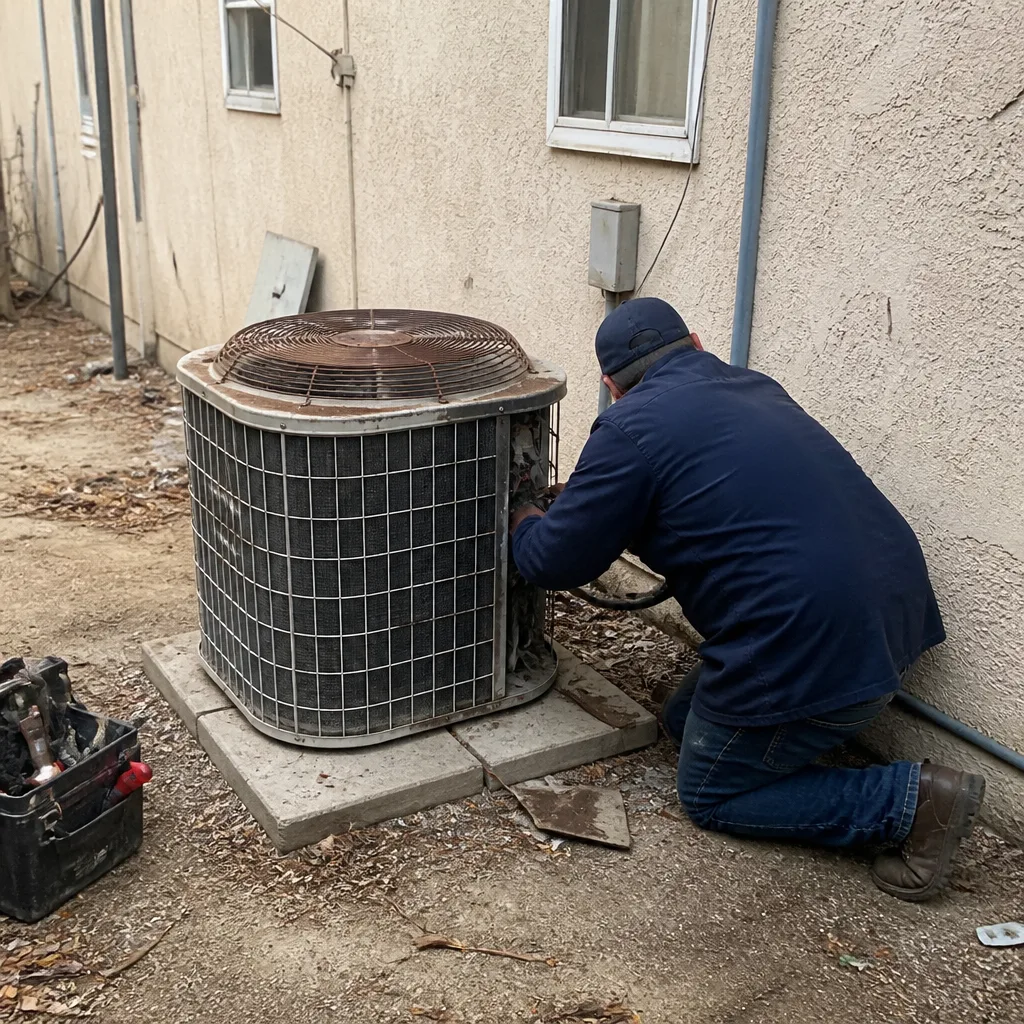 Before
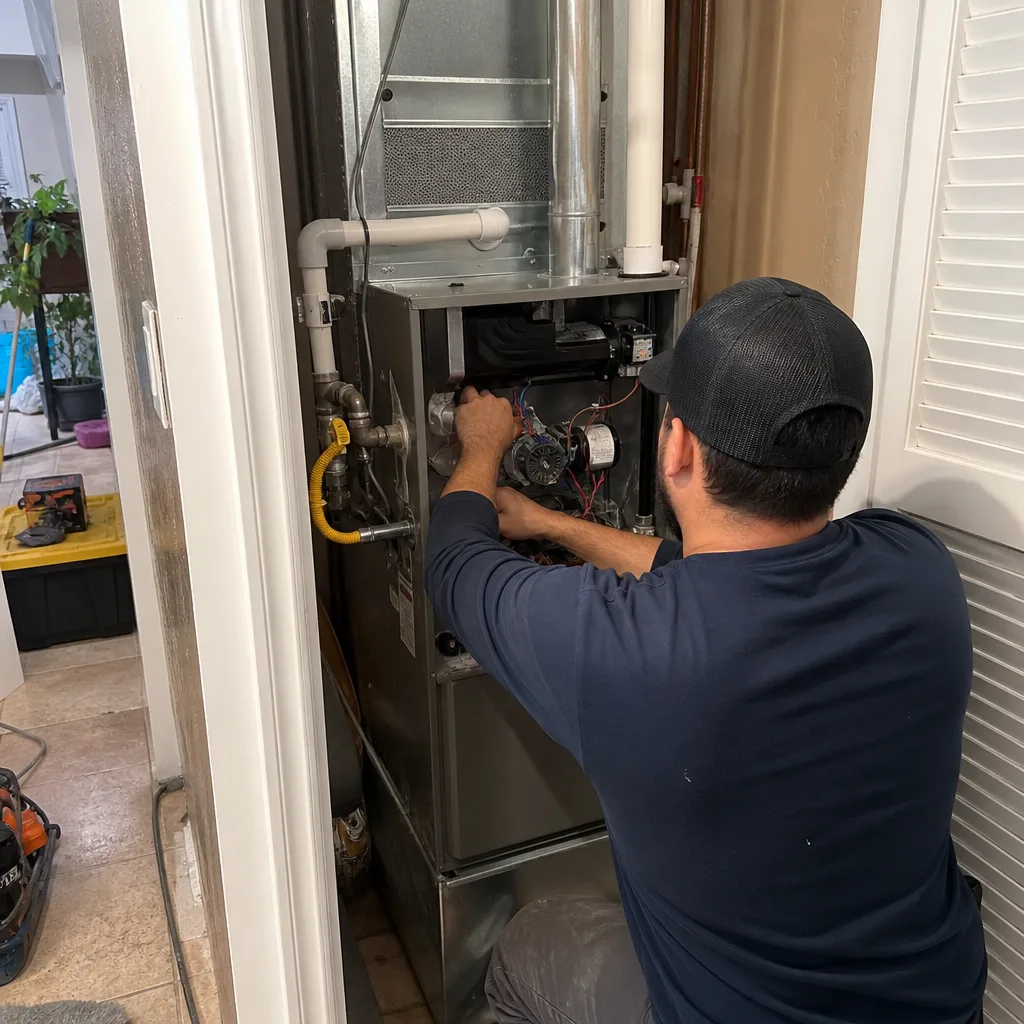 After
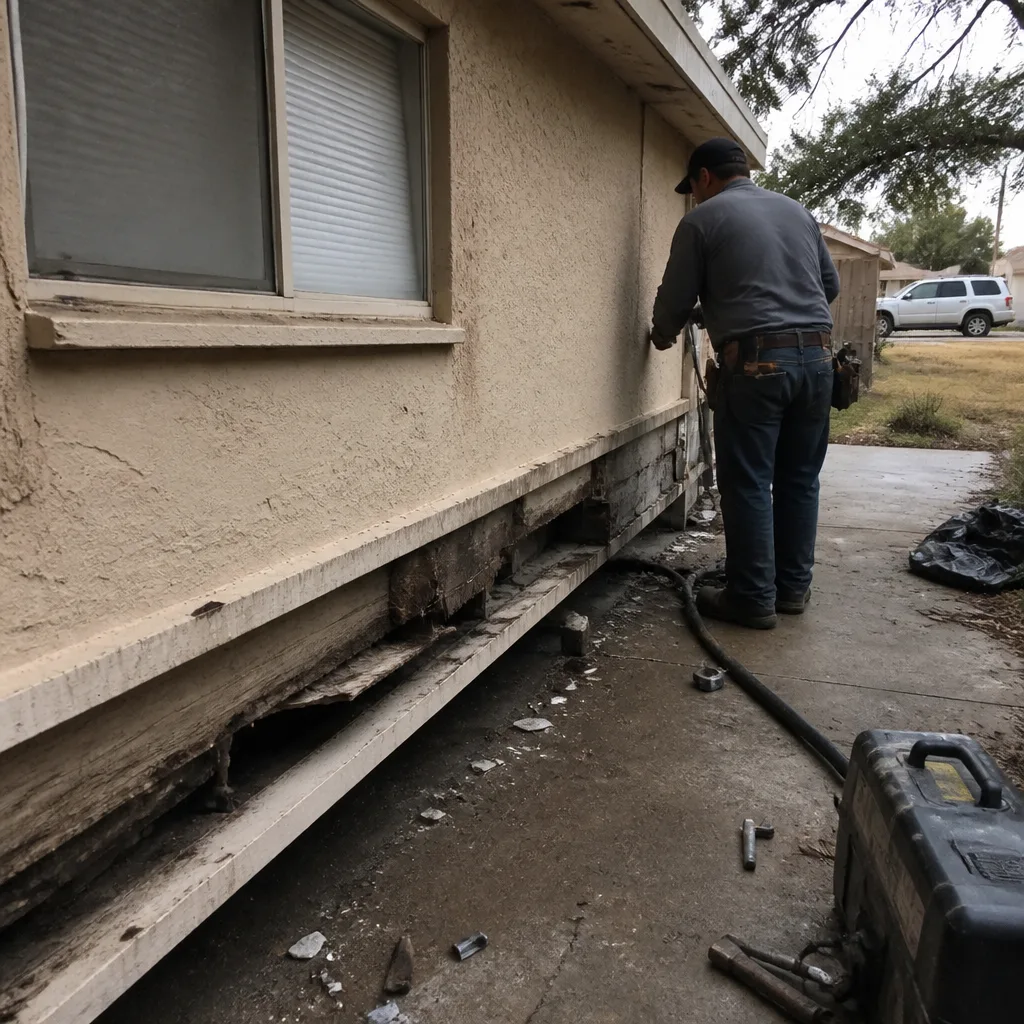 Before
 After
 Before
 After