
Last updated October 30, 2026
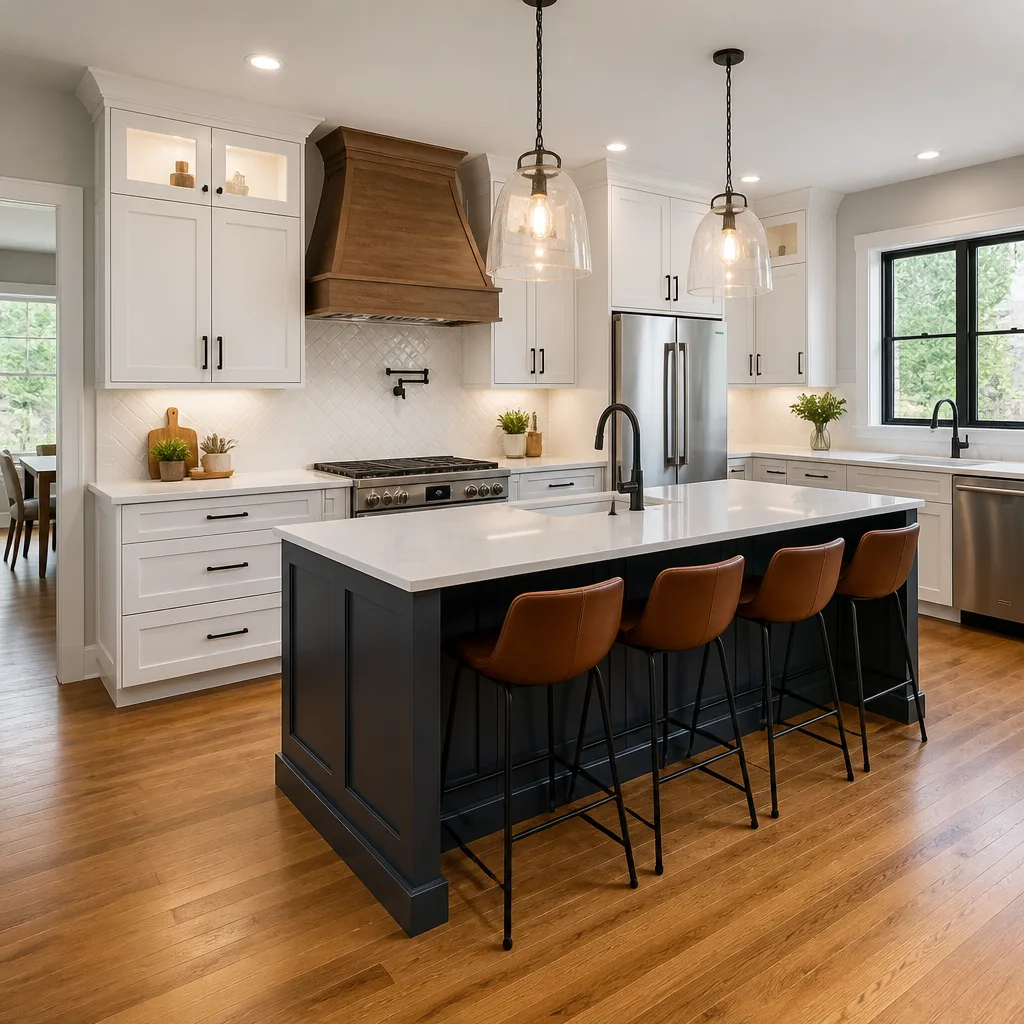 Kitchen remodeling
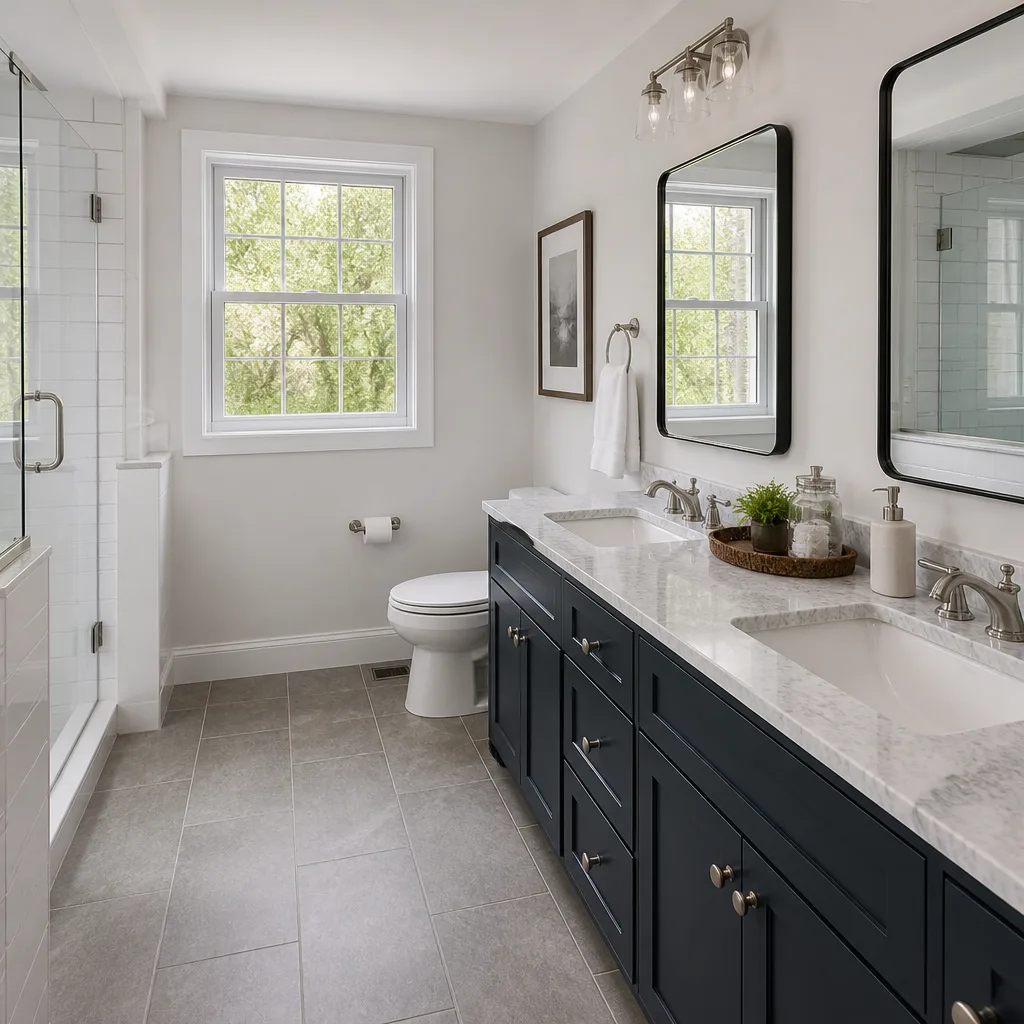 Bathroom remodeling
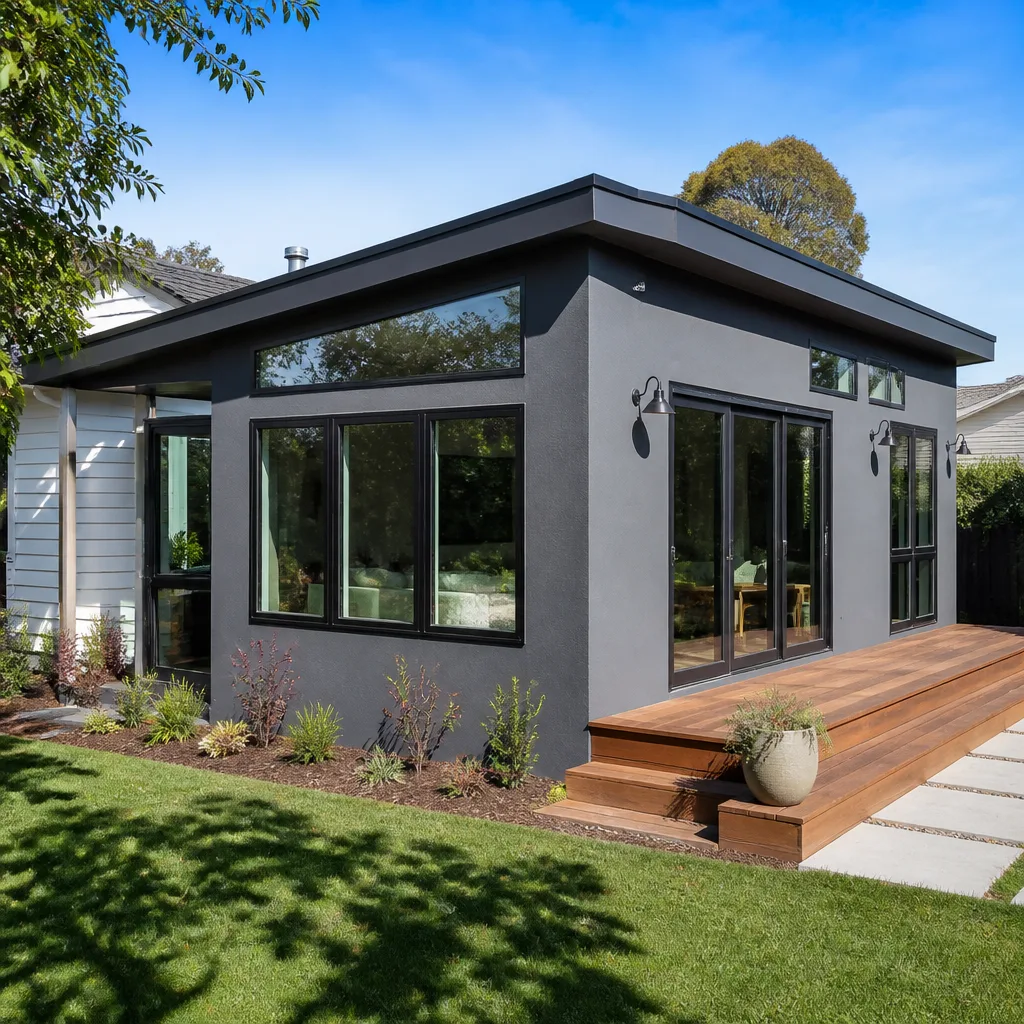 Home additions & ADU
 Roofing
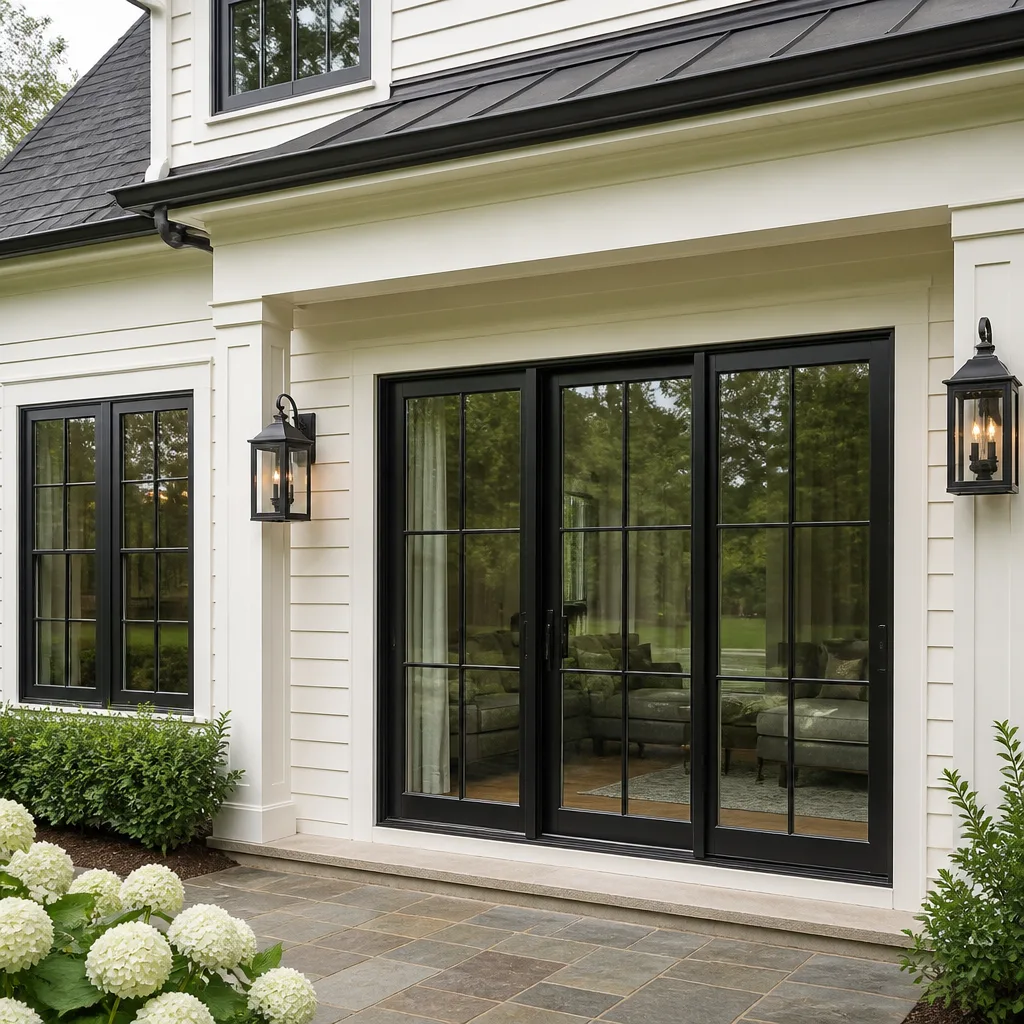 Windows & doors
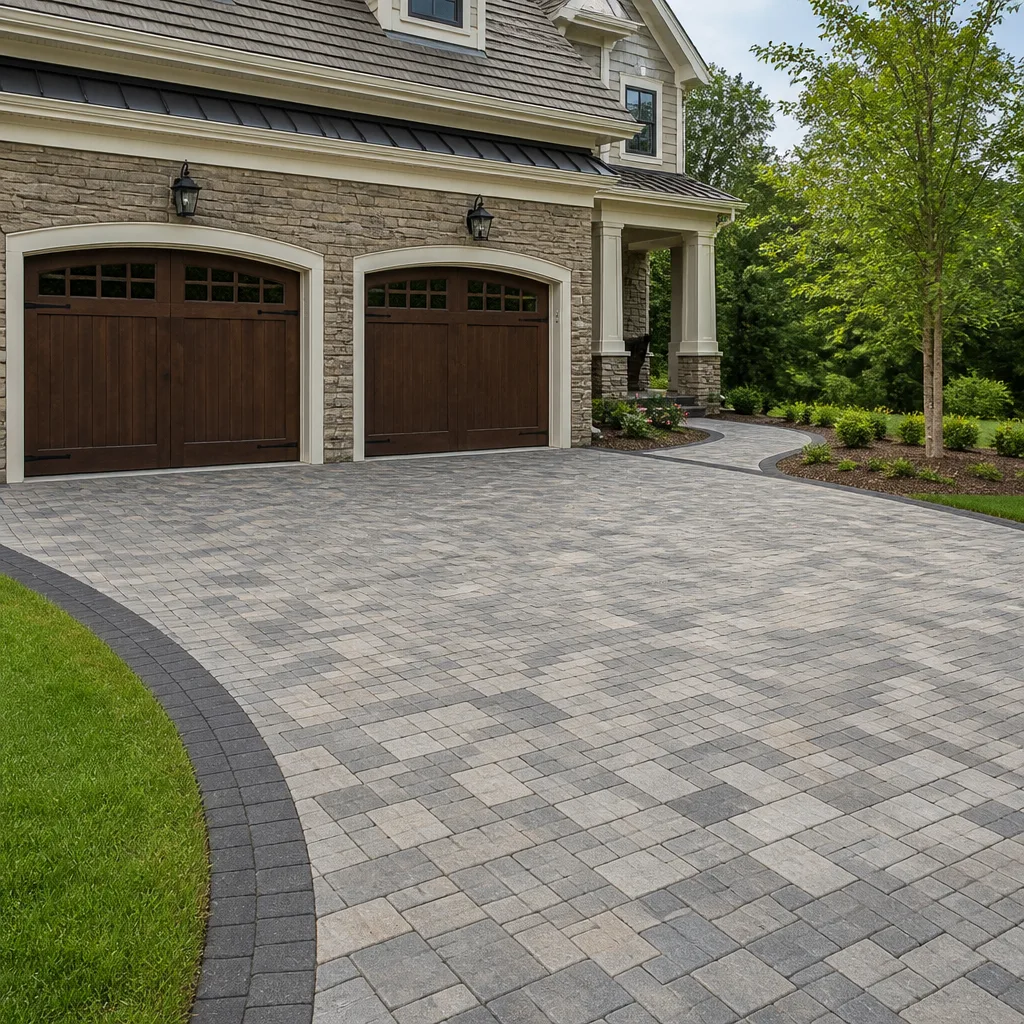 Driveway & pavers
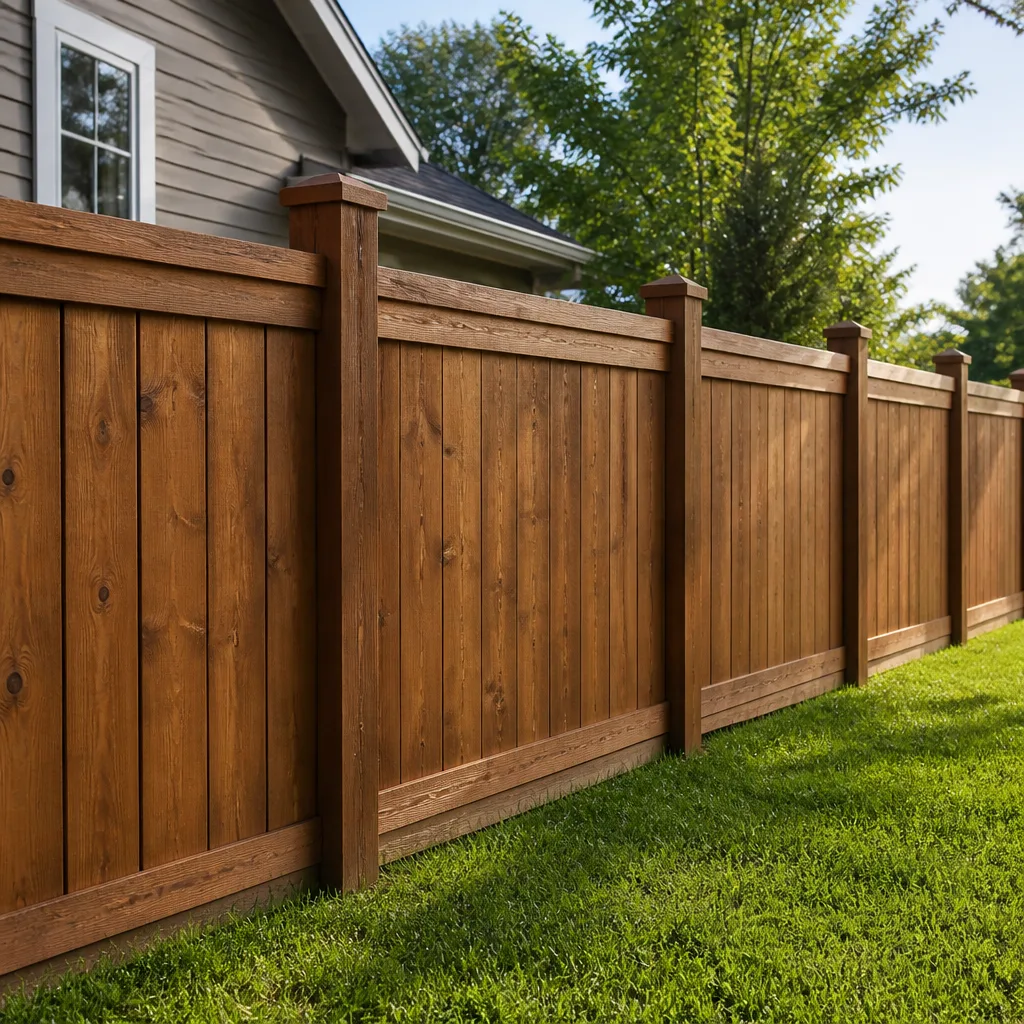 Fence
Free written scope consultation - allowances, timeline, and change-order rules on paper before a single trade is scheduled
How to Hire a Construction Contractor in Hesperia: A Step-by-Step Guide
Most homeowners in Hesperia start their contractor search the wrong way. They ask friends for a name, check the California State License Board, maybe glance at a Yelp page, and call it done. But here’s the problem: the CSLB tells you a contractor is legal. It tells you nothing about whether that contractor has ever pulled a permit at Hesperia City Hall, priced a concrete pour for a lot where summer temps hit 105 degrees, or ordered windows rated for the wind gusts that sweep down from the Cajon Pass. This guide walks you through the verification steps that separate a credentialed contractor from a genuinely qualified Hesperia contractor, and you can find more guides & resources on our blog.
Quick Answer
To hire a construction contractor in Hesperia, start by verifying their California CSLB license, then dig into their specific experience with High Desert building conditions, San Bernardino County permit processes, and Hesperia wind and temperature zones. Request at least three bids, require material brand specifications in writing, call local references, and walk through a detailed scope-of-work document before signing anything. The contractor you hire should be able to name the Hesperia neighborhoods they’ve worked in and explain how they’ll handle your specific lot conditions without hesitating. For a deeper look at what to look for in a local builder, see Choosing the Right Construction Brand: A Buyer’s Guide for Hesperia.
Styles & brands we work with
Table of Contents
- Start With the CSLB Check (But Don’t Stop There)
- Five Hesperia-Specific Questions to Ask Before You Request a Bid
- How to Read a Bid Proposal Like a Contractor
- Reference Checks: What to Ask Former Clients in the High Desert
- Material Brand Specification: Why “Or Equivalent” Should Worry You
- Full-Scope General Contractor vs. Individual Trade Contractors
- What the Contract Must Include Before You Sign
- Common Mistakes to Avoid
- When to Call a Professional
- Frequently Asked Questions
Start With the CSLB Check (But Don’t Stop There)
California’s Contractors State License Board is the right first step. Every contractor you consider should have an active and current license, and you should verify it yourself at cslb.ca.gov. Type in the license number you’re given, not just the business name. Confirm the license classification matches the work you’re hiring for: a B license covers general building, C-54 covers tile, C-36 covers plumbing, and so on. Check the bond status and any disciplinary actions.
But here’s where Hesperia homeowners get into trouble: the CSLB is a statewide agency. A contractor with a clean record who has spent twenty years building in San Diego or Orange County may have never encountered the specific conditions that define construction in the High Desert. They may never have dealt with the City of Hesperia’s building department, never pulled a permit through San Bernardino County, and never priced a roofing job that requires materials rated for the wind speeds common on the northern edge of the Victor Valley. Credentials are the floor, not the ceiling.
Five Hesperia-Specific Questions to Ask Before You Request a Bid
Before you invite a contractor to walk your property and price your project, ask these five questions. The goal isn’t to grill them. It’s to find out quickly whether they’ve actually built in Hesperia or whether they’re learning on your dime. A contractor with genuine local experience will answer these without pausing.
- “How many permits have you pulled with the City of Hesperia in the last two years?” A contractor who has built here knows the building department on Santa Fe Avenue. They know what the plan checkers look for, what triggers a resubmission, and how long the typical turnaround is. If they can’t name a recent Hesperia permit, that’s a flag.
- “Have you done work in a San Bernardino County unincorporated pocket near Hesperia?” Some parcels around Hesperia sit in county jurisdiction, not city jurisdiction. The permit path is different. A contractor who asks which jurisdiction your parcel falls under is a contractor who understands High Desert governance.
- “How do you handle stucco in a climate with 40-degree daily temperature swings?” Hesperia nights drop hard, even in summer. Stucco cracks when it’s mixed or applied wrong for that swing. A local contractor should be able to talk about curing times and joint placement without a preamble.
- “What wind zone do you spec when you order shingles here?” The northern stretches of Hesperia, especially lots that back up to open desert or face the Cajon Pass corridor, need shingles rated for higher wind uplift. GAF, CertainTeed, and Owens Corning all make wind-rated lines, but the spec only works if the installer orders the right one.
- “How do you time exterior work around Hesperia summer temperatures?” Roofing and concrete behave differently at 105 degrees. Sealant cures too fast. Concrete sets before it’s finished. A contractor who says “we just work harder in the heat” is telling you they don’t have a real plan.
How to Read a Bid Proposal Like a Contractor
Most homeowners read a bid and go straight to the bottom-line number. That’s a mistake, but not for the reason you might think. The number matters less than what the number reveals about whether the contractor actually priced your specific project or just threw a generic estimate at it. In Hesperia, that distinction shows up in three places.
First, look at the line items. A real bid itemizes labor and materials separately. It breaks out demolition, rough carpentry, finish work, and disposal. A bid that says “complete kitchen remodel: $67,000” with no breakdown is a bid from someone who hasn’t done the math. You want a line-by-line scope of work.
Second, look for local variables priced explicitly. Does the bid mention the crane lift if your lot sits on a slope? Does it account for the drive time from the material yard in Victorville or Ontario? Does it specify the roof underlayment needed for a Hesperia roof, which has to handle both 100-degree summer UV and occasional winter frost? A bid that ignores these is padded with cushion, not priced with knowledge. That’s the difference between a contractor who will hit you with change orders later and one who knew the job from day one.
Third, compare the allowances. Cabinetry, countertops, plumbing fixtures, and flooring are often listed as allowances. Two bids can have identical allowances and wildly different real costs if one contractor specs brand names and the other leaves it open. If a bid says “countertops: allowance $4,000” with no brand, you’re about to be upsold or handed the cheapest slab in the yard. A bid that says “Cambria quartz, Brittanica color, allowance per SF” is a bid from someone who has priced a real material. At Hampton Contractors, we write our bids with named brands because the material choice changes the labor and the final look. We’ve seen too many Hesperia homeowners approve a bid with vague allowances and then discover the “stone” they picked costs double at selection.
Reference Checks: What to Ask Former Clients in the High Desert
Calling references matters more in Hesperia than in many other markets because climate failures show up late. A roof that looks fine in July reveals itself in the first January windstorm. Stucco that looks smooth at handoff cracks by the second winter. When you call a contractor’s former clients, ask questions that reveal desert-specific performance.
The strongest questions are the ones that sound slightly specific:
- “It’s been two years since your stucco went up. Any hairline cracks forming?” Hairline cracks are the first sign the mix wasn’t adjusted for High Desert temperature swings. A homeowner who says “actually, yes, a few” is giving you information about the contractor’s curing practices.
- “Has your roof sealant held through a full summer?” The UV exposure in Hesperia eats cheap sealant fast. Around vent pipes and flashing, the failure shows up as small leaks in the first heavy rain after a hot stretch.
- “How did the contractor handle the permit inspection scheduling?” Hesperia’s inspection schedule is not the contractor’s fault, but how they communicate around it is. A reference who says “I had to chase them for updates” is a red flag. One who says “they told me exactly when the inspector would come and what would be checked” is a green light.
- “Did they finish on schedule in the summer?” August delays are common in the High Desert. The question isn’t whether delays happened. It’s whether the contractor told the homeowner about them in advance or disappeared.
We tell every Hesperia homeowner we meet: ask references about the weather, not just the workmanship. The contractor’s skill shows up in finishing details. Their local knowledge shows up in what happens to those finishes two seasons later.
Material Brand Specification: Why “Or Equivalent” Should Worry You
Most standard construction contracts include a line somewhere in the specifications that reads “or equivalent” after a brand name. Contractor proposes “Kohler fixtures or equivalent.” In many parts of the country, that’s fine. In Hesperia, it’s a problem you should push back on.
The High Desert is not a forgiving climate for building materials. The sun is brutal. The temperature swings are aggressive. The wind in certain neighborhoods along Bear Valley Road and near the mesa edges is stronger than the county average. Product eligibility for things like roofing and windows is narrower than it is in coastal markets. An “equivalent” window from a no-name manufacturer may not carry the same wind rating as the Therma-Tru or PGT window you specified. An “equivalent” shingle may not be Class 4 impact-rated, which matters in a region that sees occasional hailstorms rolling off the mountains.
When you’re reviewing a contract, ask the contractor to strike “or equivalent” from any line that involves exterior materials, if not every line. The brand names you approved should be the brand names that get installed. If the contractor wants to substitute, require written approval from you first with the specific alternate product named. This isn’t being difficult. This is protecting yourself in a market where the wrong material choice means redoing the job in five years instead of twenty.
The brand-name advantage cuts both ways. A contractor who has relationships with recognized manufacturers can often source exactly what you want without the “or equivalent” dodge. When Hampton Contractors specs windows for a Hesperia remodel, we can name the product line the client chose. That’s the difference between a contractor who works from a real material catalog and one who works from a price sheet alone.
Full-Scope General Contractor vs. Individual Trade Contractors
Every significant remodel in Hesperia eventually forces a decision: hire one general contractor or act as your own coordinator across a plumber, an electrician, a roofer, a framer, and a finisher. The answer depends on your project, but the tradeoffs are worth understanding clearly.
A full-scope general contractor handles the scheduling, pull the permits, manages the subcontractors, and carries the responsibility when one trade’s work damages another’s. For a complete breakdown of what this role covers, read The Complete General Contractor Guide for Hesperia Homeowners. For a whole-home renovation, a kitchen plus bath overhaul, an ADU build, or any project where exterior and interior work overlap, the general contractor approach almost always ends up cheaper in time and frustration, even if the hourly or lump-sum rate looks higher on paper. The coordination overhead of juggling five separate trade contractors in Hesperia, where skilled trades are spread across the Victor Valley and some drive in from down the hill, is substantial. You’ll spend weeks calling plumbers who don’t call back, electricians who only work certain neighborhoods, and roofers who book out months ahead for the fall window.
The individual-trade approach makes sense for a single, contained job: a bathroom refresh with no structural changes, a re-roof with no fascia or gutter work, a fence replacement. For those jobs, one trade contractor is enough. But the minute the project touches multiple systems, the case for a general contractor becomes hard to out-argue.
There’s a middle position that Hesperia homeowners often miss. A full-scope general contractor with real brand relationships changes the selection process even for projects that start small. If you’re replacing siding now and planning a kitchen remodel in two years, putting both under one contractor means the exterior water details and the interior framing decisions get handled by the same person who knows how they interact. From the roofline to the back patio, one accountable contractor. For Hesperia’s older homes, particularly the ranch-style and early-2000s development stock along Main Street and north toward Ranchero Road, this matters because the original builds often weren’t detailed for the climate. You may need the roofline to shed water better before you invest in interior work, and only a single-contractor view catches that sequence.
What the Contract Must Include Before You Sign
A construction contract in California is a legal document, and the California Home Improvement Contract requirements are specific. But beyond the legal baseline, there are clauses that matter more in Hesperia than elsewhere. Here’s the checklist we walk our clients through before they put a pen to anything.
- A detailed scope of work. Not a summary. Every room, every surface, every fixture category. If it’s not written, it’s not part of the job. If you discussed it verbally, put it in writing before the contract is signed.
- A material list with brand names. Cambria or Silestone countertops, Kohler or Moen fixtures, GAF or CertainTeed roofing, Therma-Tru or PGT doors. The contract should name what you’re getting. “Or equivalent” gets struck.
- The permit plan. Which permits will be pulled, who pulls them, and who pays the fees. Hesperia and San Bernardino County both have fee schedules, and those fees should appear as a line item or a clearly stated owner responsibility.
- A payment schedule tied to milestones, not a calendar. California law caps the down payment. After that, payments should release when work is actually completed and inspected, not when a certain week rolls around.
- A change order process. The contract states how changes are priced, approved, and documented. If the contractor wants verbal approval for a $4,000 change, walk away.
- A timeline with weather caveats. Hesperia wind can shut down roofing and crane work in November and March. The contract should acknowledge wind delays as a defined category, not a generic “acts of God.”
A contractor who resists putting any of this in writing is telling you something about how they’ll handle the job when problems arise. Problems always arise. The contract is where you find out whether the contractor’s word matches their paperwork.
Common Mistakes to Avoid
- Hiring on price alone. The lowest bid in Hesperia usually means the contractor hasn’t priced the actual conditions of your lot. You’ll pay the difference in change orders and rework.
- Skipping the permit conversation. Some contractors will offer to work “under the table” without permits to save time and money. In San Bernardino County, unpermitted work becomes a title problem when you sell and an insurance problem if the work fails.
- Accepting “or equivalent” on exterior materials. Wind ratings, UV stability, and thermal performance are spec-driven. An unnamed equivalent is often a downgrade that won’t survive Hesperia’s climate cycles.
- Not checking references for desert-specific failures. Ask about stucco cracks, sealant failure, and how the contractor handled a summer schedule slip. General reference checks miss the issues that actually show up here.
- Choosing a contractor who only does interiors for an exterior job. Roofing, siding, and fencing in Hesperia demand materials and methods that differ from coastal practice. A bathroom specialist is not the right hire for a re-roof, no matter how good their tile work is.
- Ignoring the coordination burden of multi-trade projects. If your project touches plumbing and electrical and structural work, hiring separate contractors means you become the scheduler and the mediator. That’s a job you didn’t sign up for.
- Assuming all licensed contractors understand the High Desert. The license is the floor. The Hesperia-specific experience is the part you have to verify yourself.
When to Call a Professional
The hiring process changes depending on your project’s size. For a single trade job like a fence replacement or a straightforward re-roof, you can hire one specialist and manage it yourself. But if your project spans multiple systems, involves structural changes, touches exterior and interior work in the same phase, or requires permits from the City of Hesperia or San Bernardino County, you’ll benefit from a full-scope general contractor. The same applies to ADU and prefab construction, where engineering, utility connections, and brand-specific build specifications intersect.
Hampton Contractors offers free estimates in Hesperia and across the Victor Valley. We’re a general contractor in Hesperia with the full residential scope, from home remodeling in Hesperia to home renovation in Hesperia that spans roofing, siding, windows, bathrooms, kitchens, fencing, and hardscaping. Call (833) 467-4075 to schedule your free estimate and get a written scope of work with real material brands named.
Frequently Asked Questions
General contractor fees in Hesperia typically run between 12% and 22% of the total project cost, depending on project size and complexity. Smaller jobs trend toward the higher end of that range because the contractor’s overhead is spread across fewer labor hours. Larger whole-home projects often land at the lower end. The best way to get a real number is to request a written, line-item scope of work from at least two contractors serving Hesperia. Call (833) 467-4075 for a free estimate with line-item pricing and brand-specific material allowances.
A contractor working in Hesperia needs a valid California CSLB license, and the classification must match the work. General building work requires a B license. Specialty trades require their own classifications. Beyond the license, verify the contractor has pulled permits with the City of Hesperia specifically, not just somewhere in the state. Ask for the license number and check it yourself at cslb.ca.gov before signing anything.
A single-room remodel in Hesperia, like a bathroom or small kitchen, usually takes 6 to 10 weeks from permit approval to final inspection. A whole-home renovation runs 4 to 8 months. The biggest scheduling variable in Hesperia is weather: spring winds can shut down roofing and crane work for days at a time, and the summer heat limits exterior work to morning hours. A contractor who has built here will build that into the timeline instead of promising a clean 6-week finish and then explaining delays later. For tips on protecting your project through every season, see Seasonal Construction Care for Hesperia: Year-Round Homeowner’s Guide.
You can, legally, act as an owner-builder and pull your own permits in Hesperia. But you’ll assume responsibility for scheduling, inspection management, and the performance of every trade on the job. For a single trade project, that’s manageable. For a project that spans structural, plumbing, electrical, and finish work, the coordination burden becomes a full-time job and the mistakes become your financial liability. Most Hesperia homeowners find that a full-scope general contractor saves them more in prevented rework than the contractor fee costs.
Check three things: the contractor’s permit history with the City of Hesperia, their references from completed Hesperia projects specifically, and their material brand relationships. Permit history tells you they’ve navigated the local process. Local references tell you their work performs after High Desert seasons. Brand relationships tell you they’re sourcing finished materials from recognized manufacturers, not mystery suppliers. Ask the contractor to name the Hesperia neighborhoods they’ve worked in and the specific product brands they’ve installed there.
It shouldn’t, if the scope of work is written correctly from the start. Price increases happen when the original bid was built on vague allowances, unstated conditions, or optimistic assumptions. That’s why you want a line-by-line scope document with real material names and local variables priced explicitly. Legitimate changes still occur when you change your mind about finishes or when an inspection reveals something hidden behind a wall. But the contractor should price hidden-condition changes through a written change order process, not by surprise billing. Call (833) 467-4075 for a written scope with line-item detail before any work starts.
The Bottom Line
Hiring a construction contractor in Hesperia is not about finding someone with a license. It’s about finding someone who has built in this specific desert climate, pulled permits from this specific building department, and spec’d materials for this specific wind and temperature profile. Start with the CSLB, but push into the questions that reveal local experience. Read bids for specificity, not just price. Require brand names in the contract and strike “or equivalent.” Check references for how the work performed after two summers and a winter, not just how it looked on the final day. And when the project spans multiple trades, consider the Hampton Contractors home approach: one contractor, one contract, one point of accountability from the roofline to the back patio.
Written by the team at Hampton Contractors, serving Hesperia since 2016.
See the difference
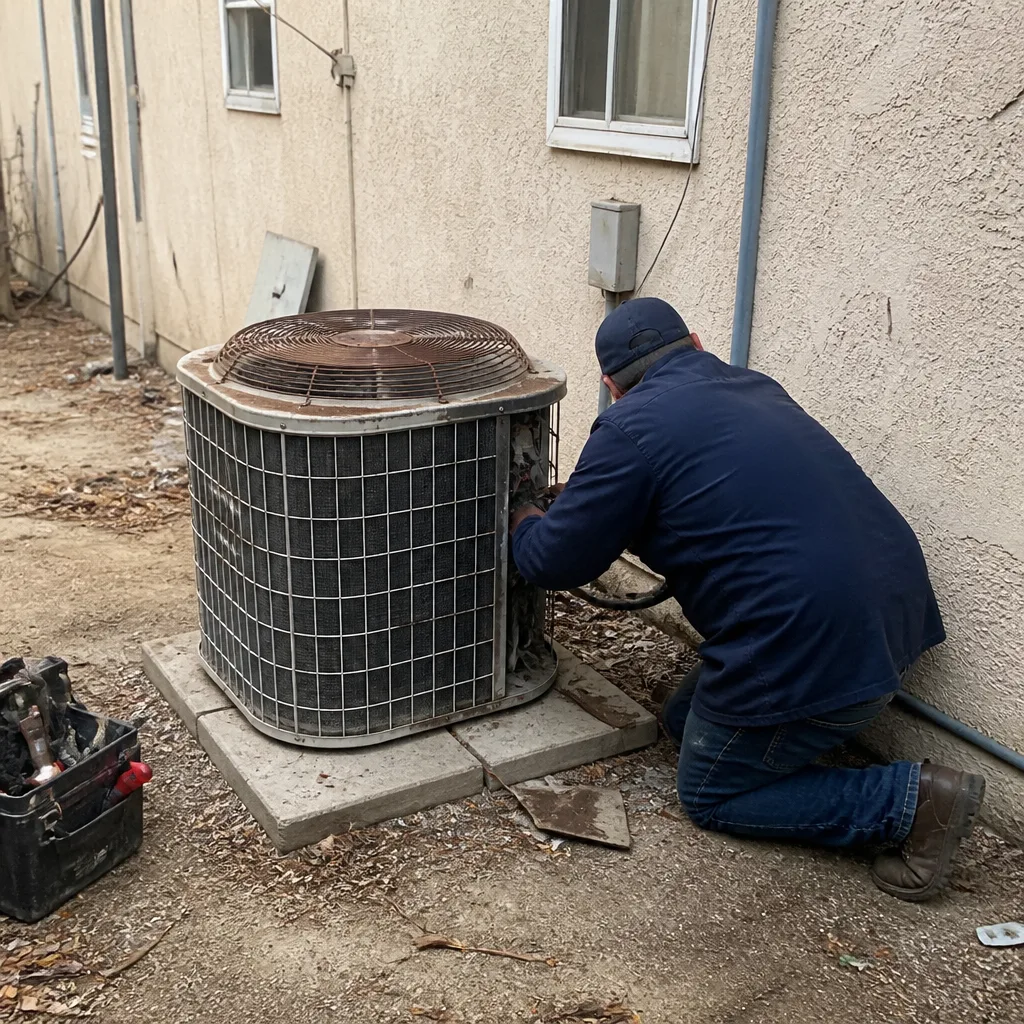 Before
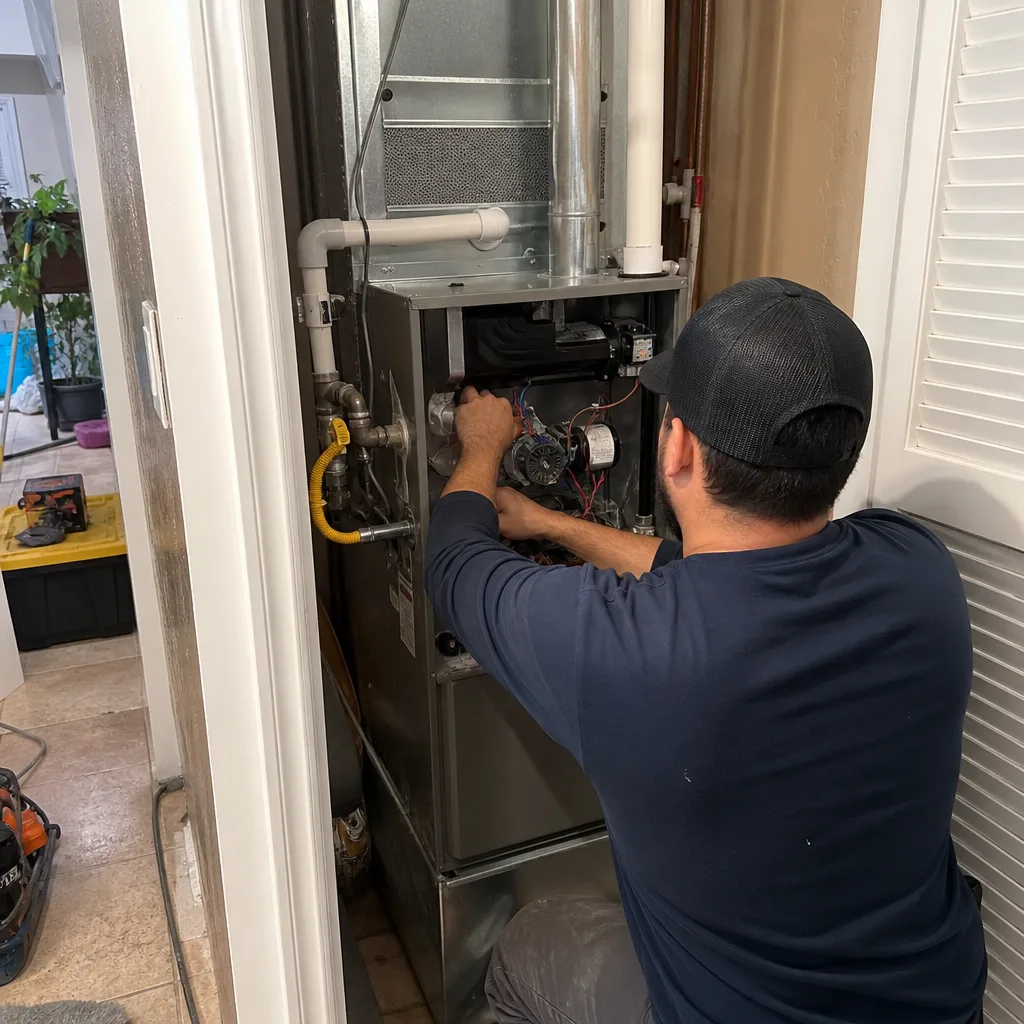 After
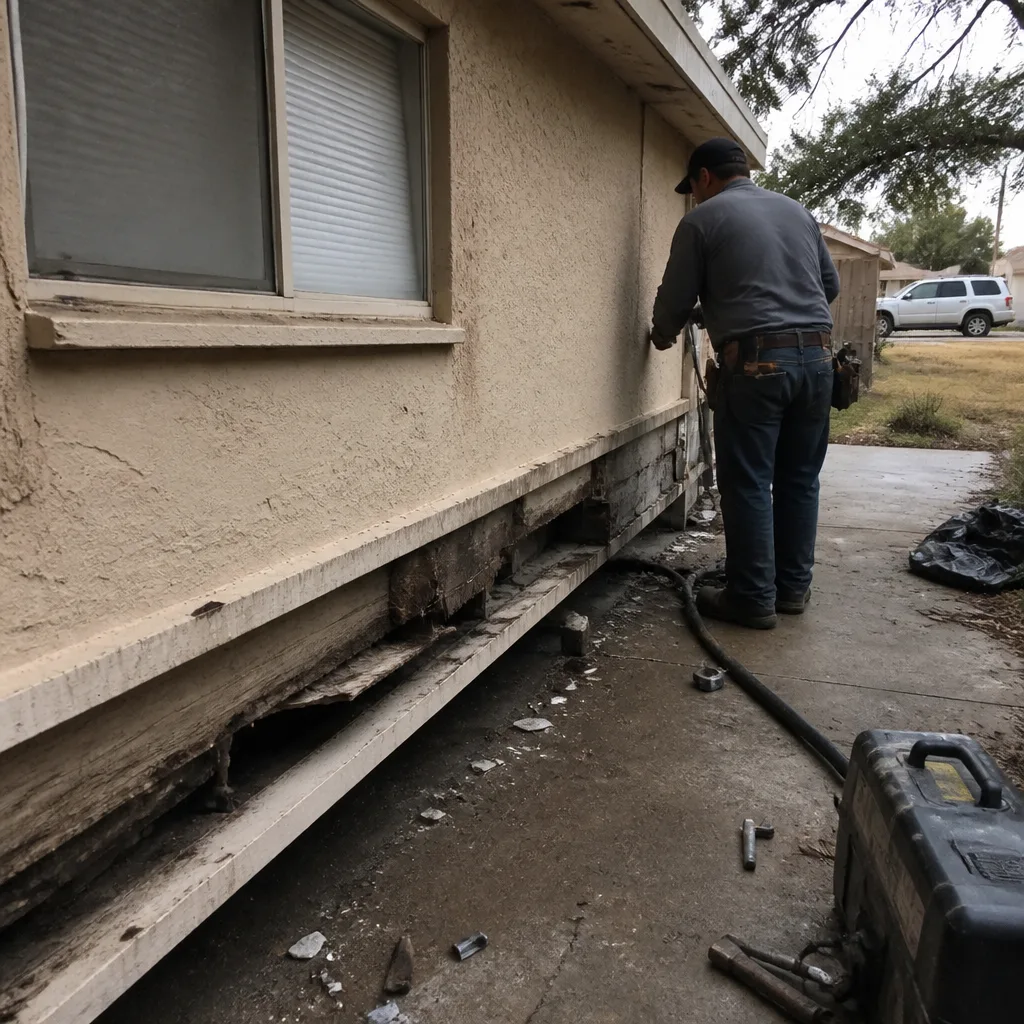 Before
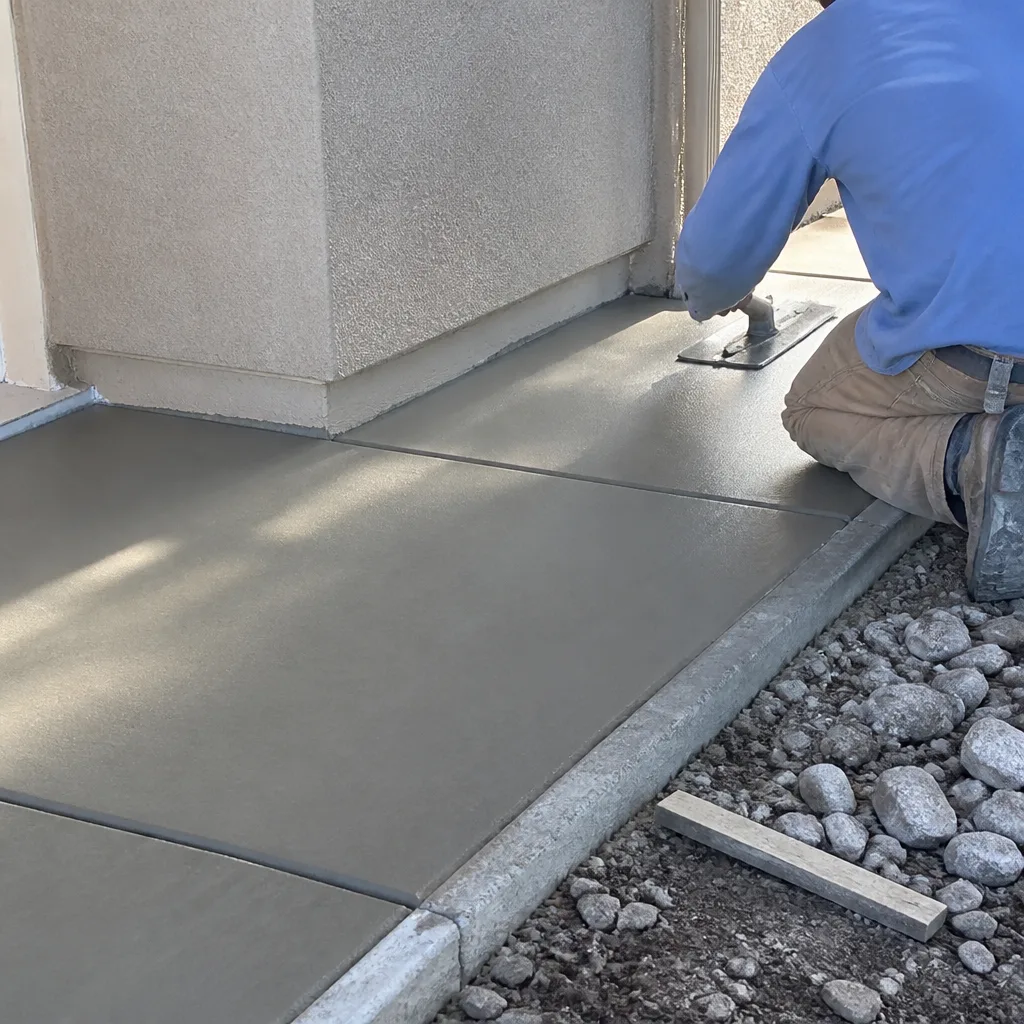 After
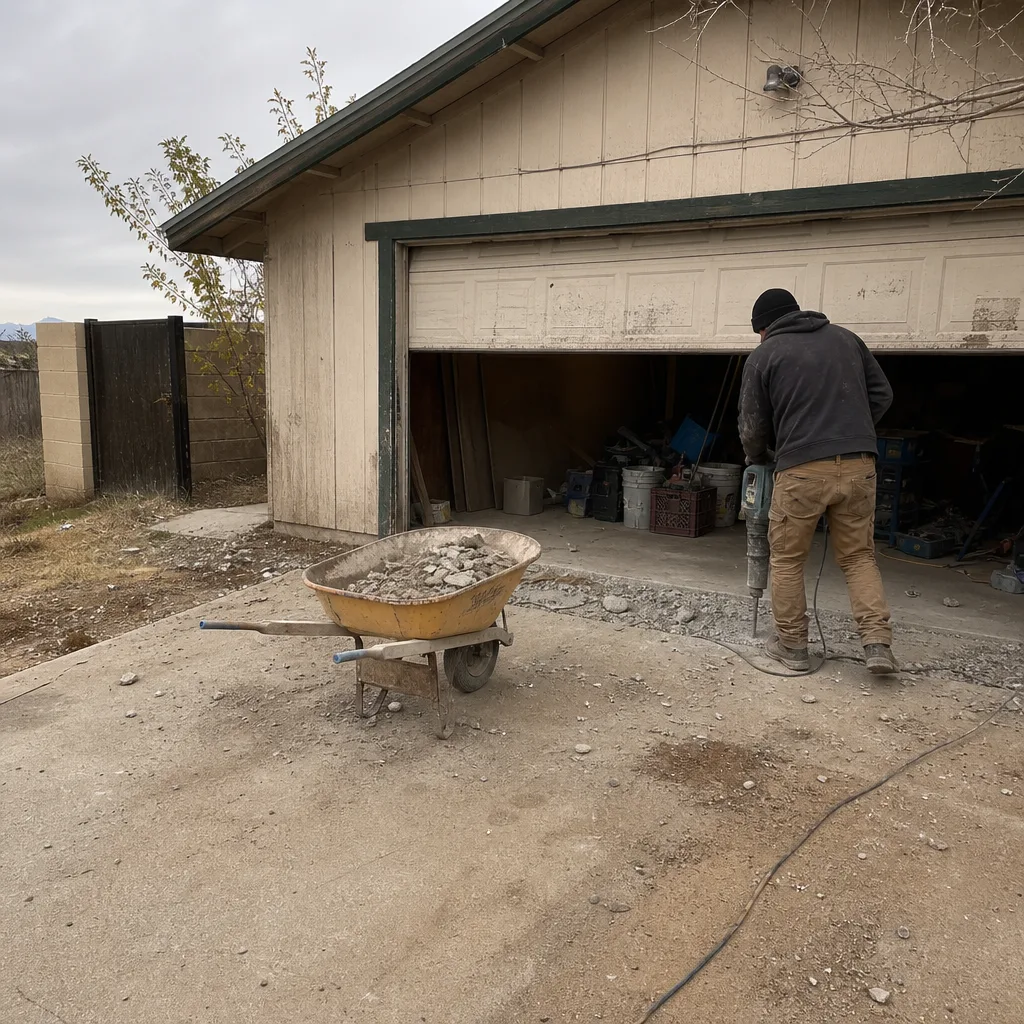 Before
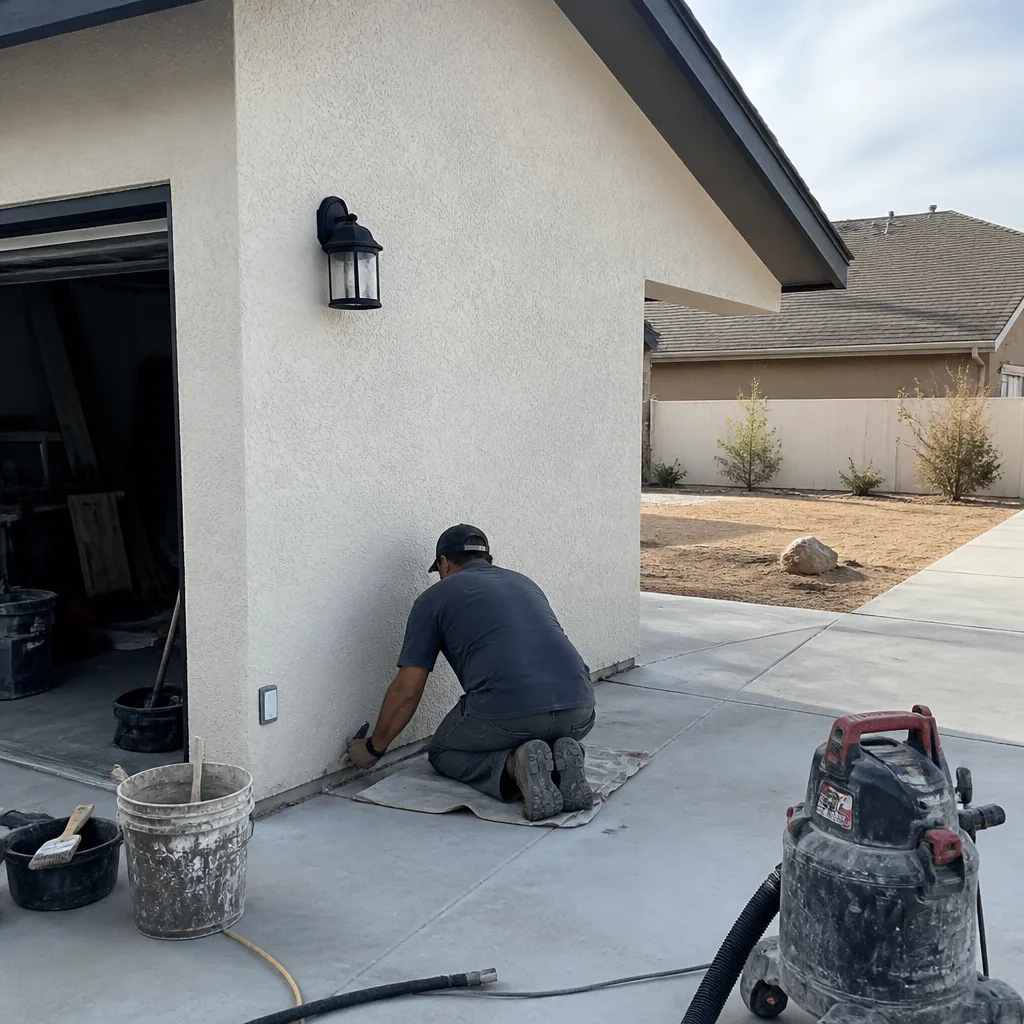 After