
Last updated October 30, 2026
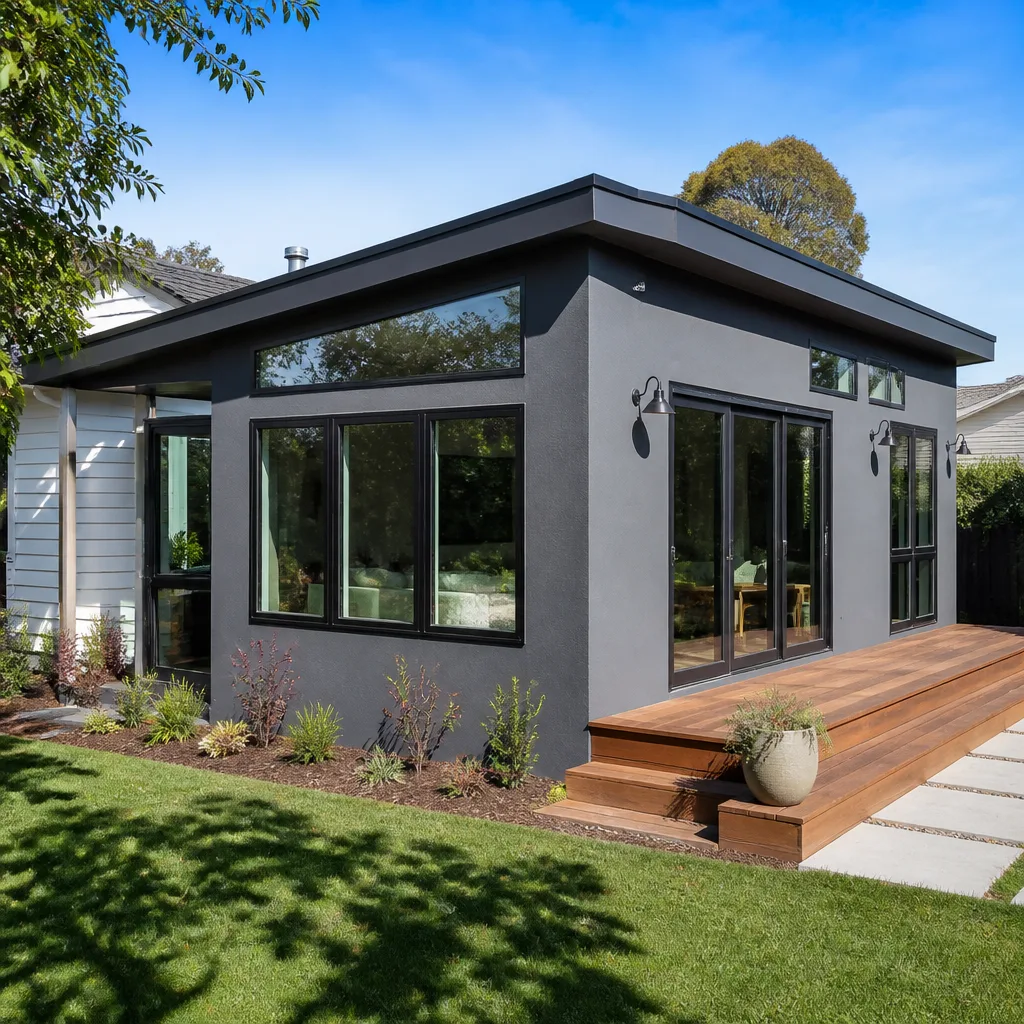 Home additions & ADU
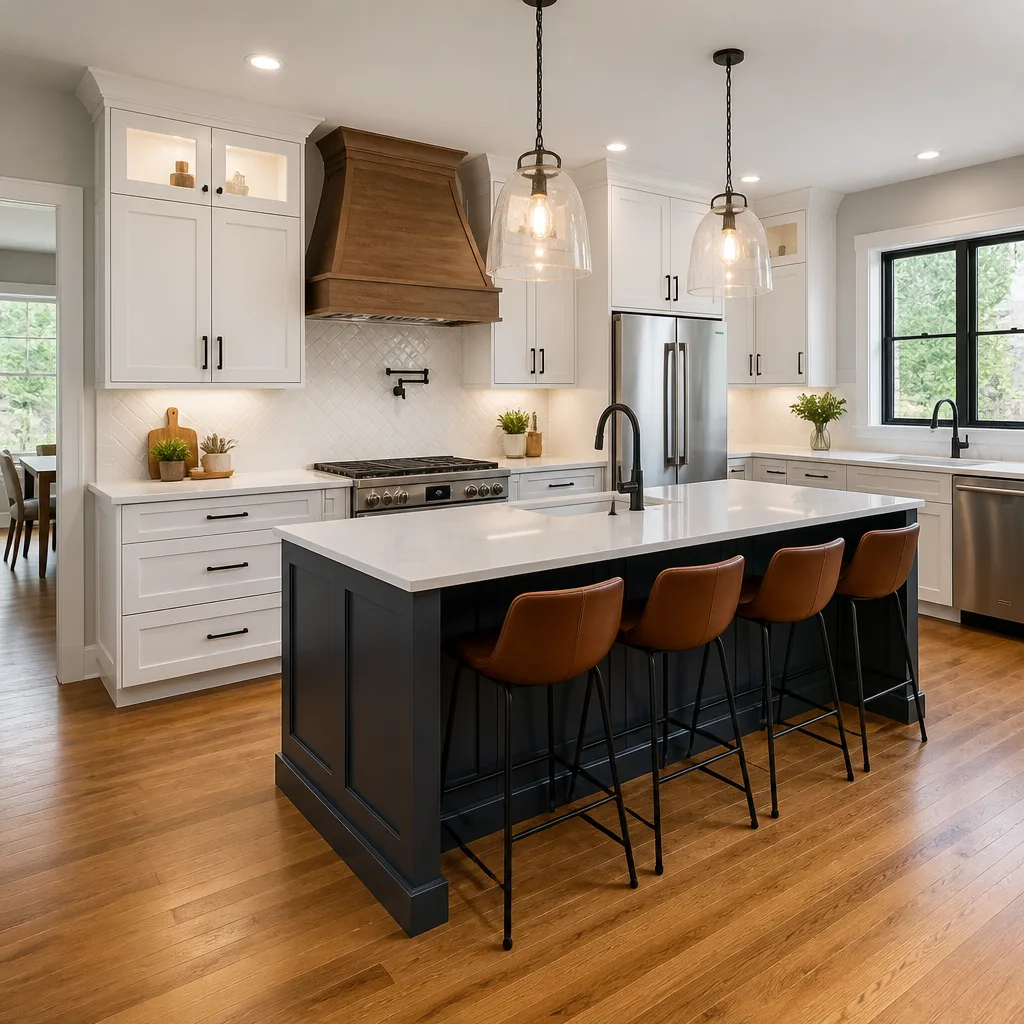 Kitchen remodeling
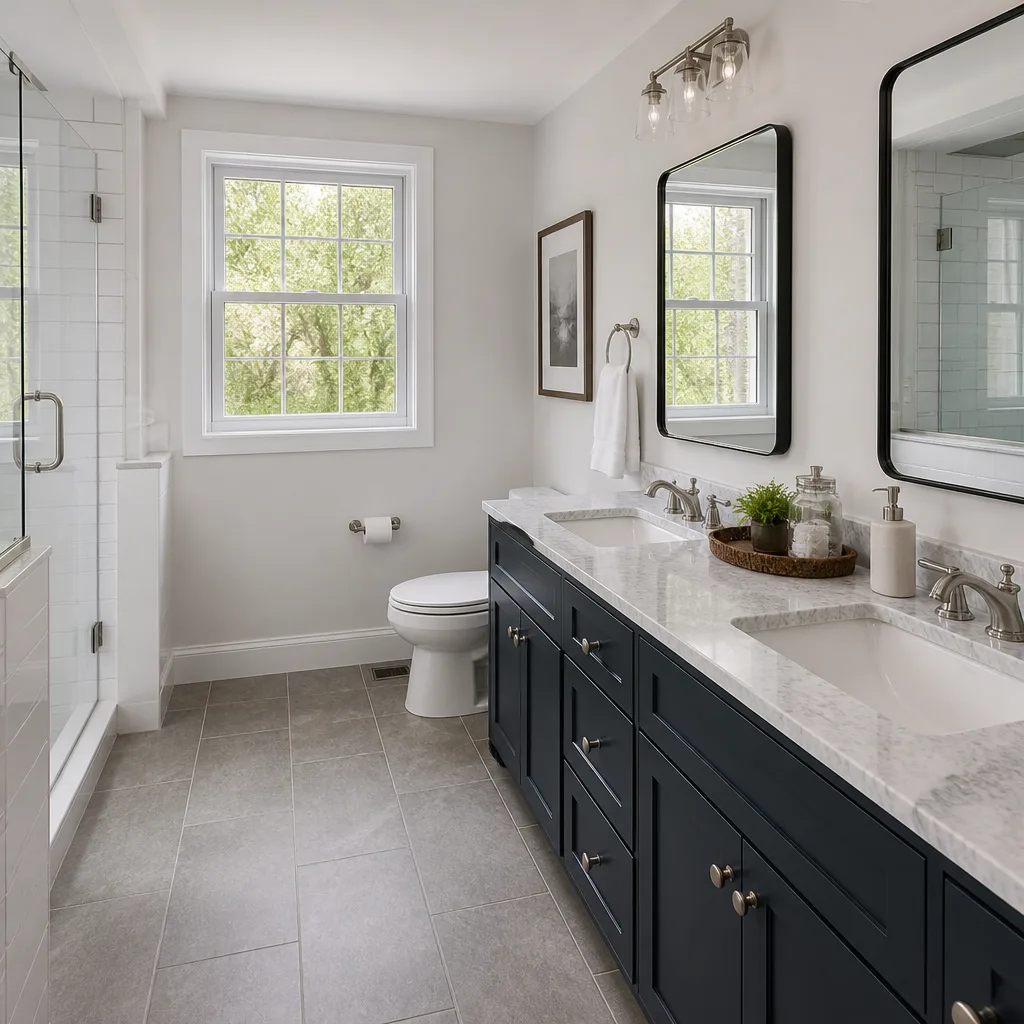 Bathroom remodeling
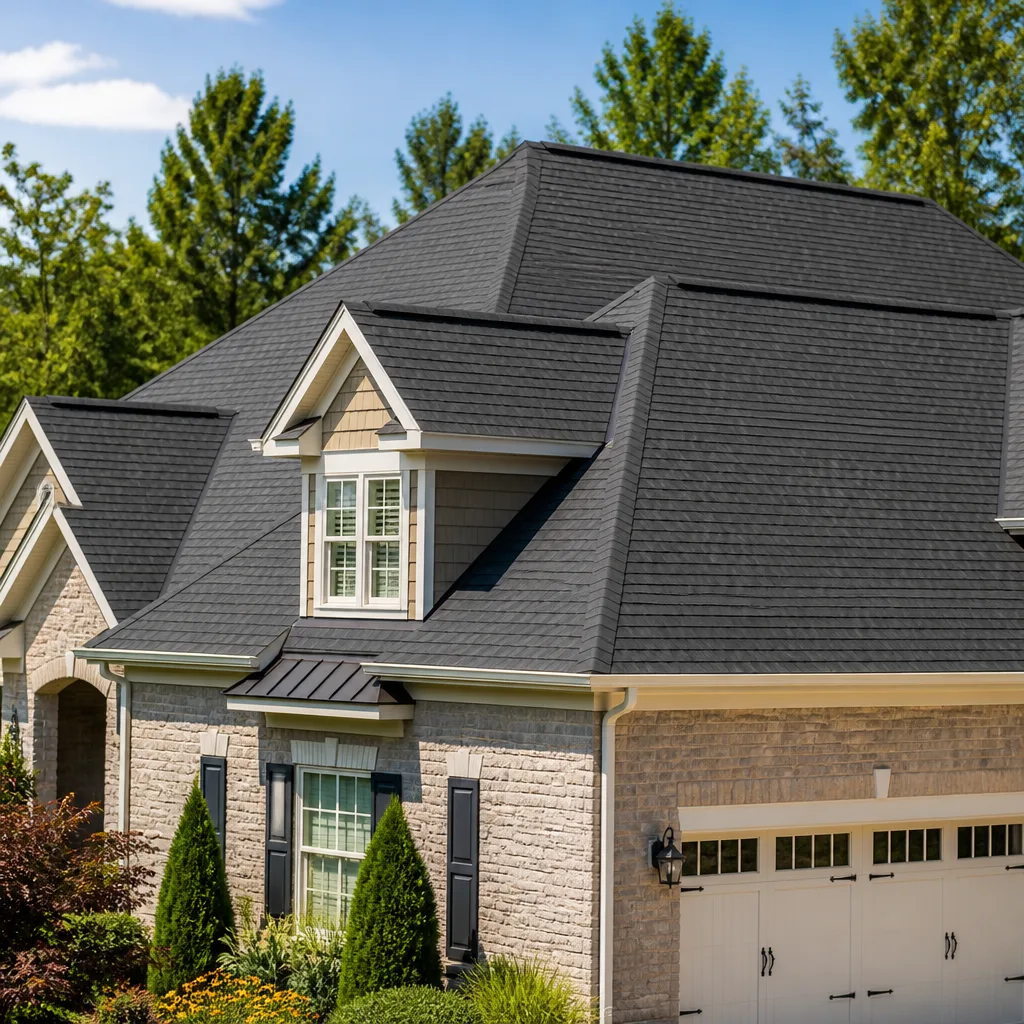 Roofing
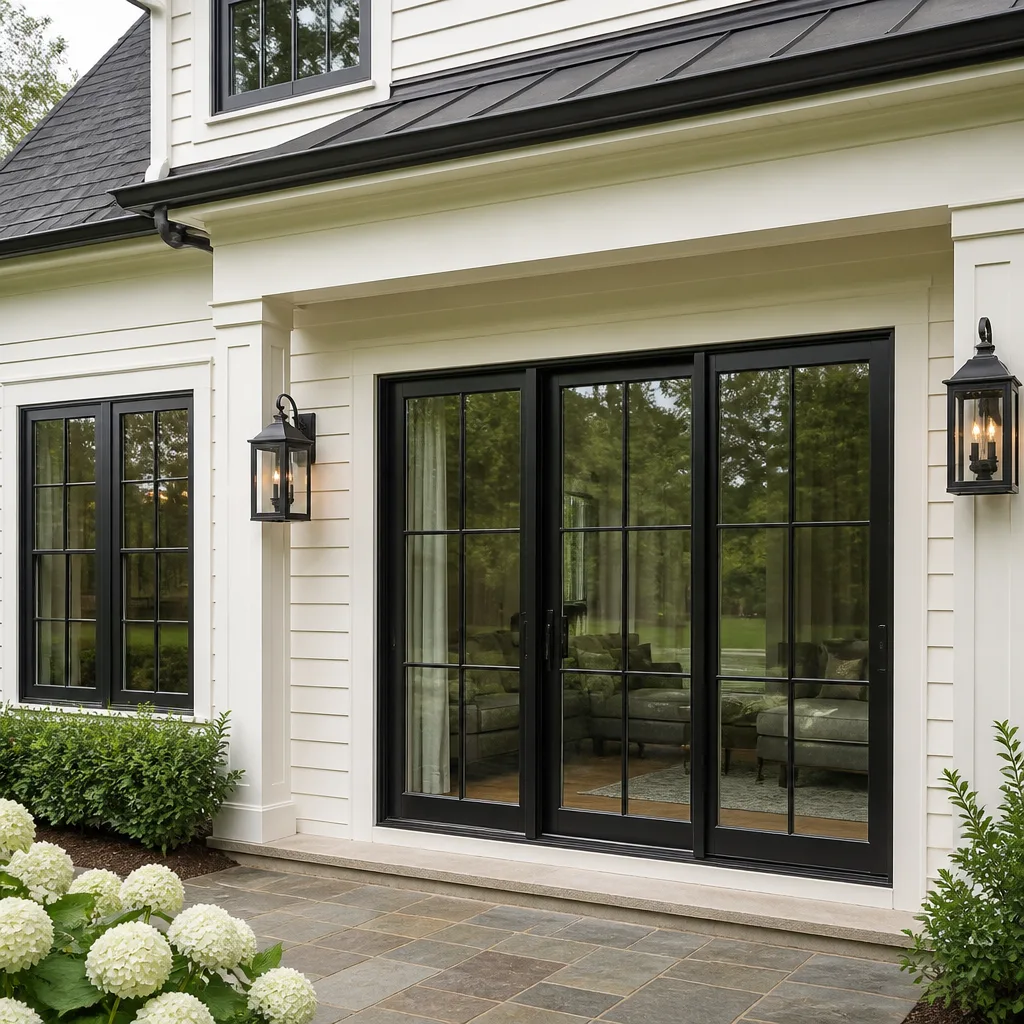 Windows & doors
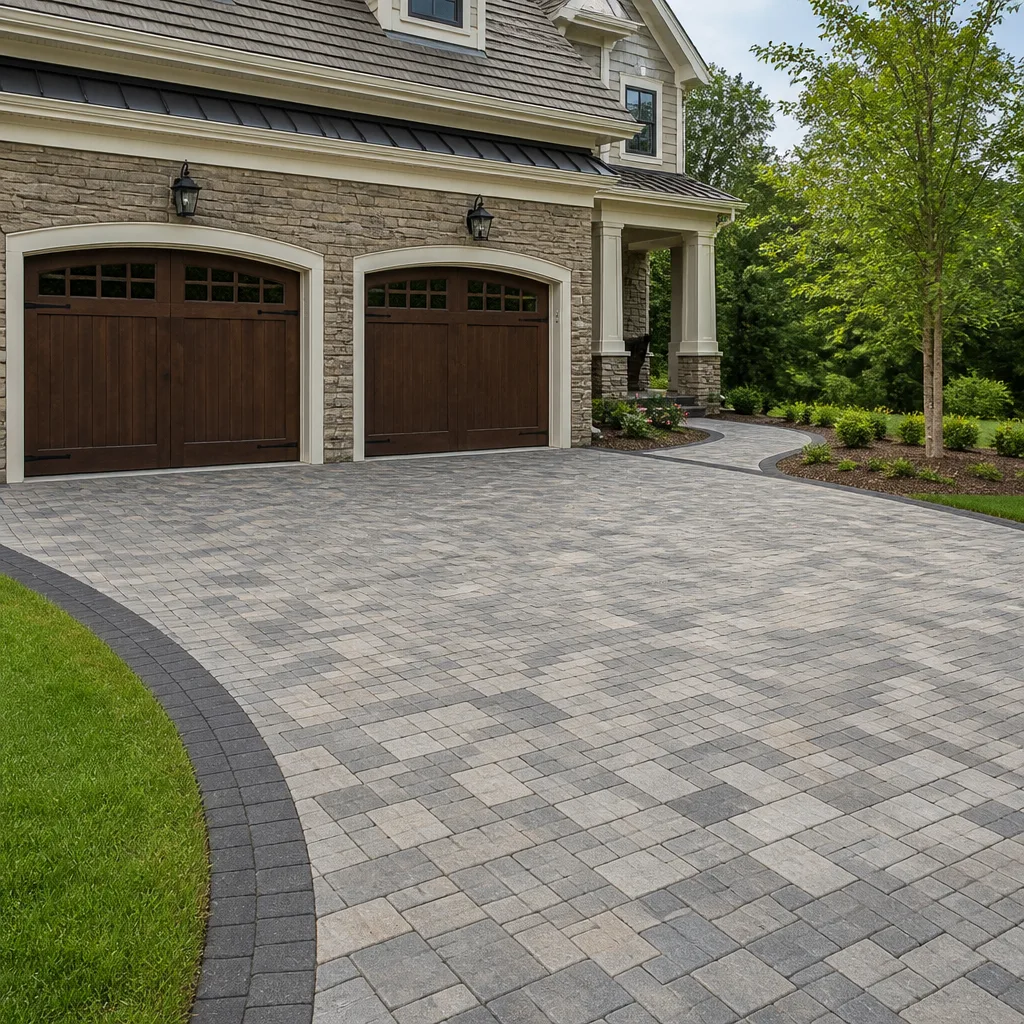 Driveway & pavers
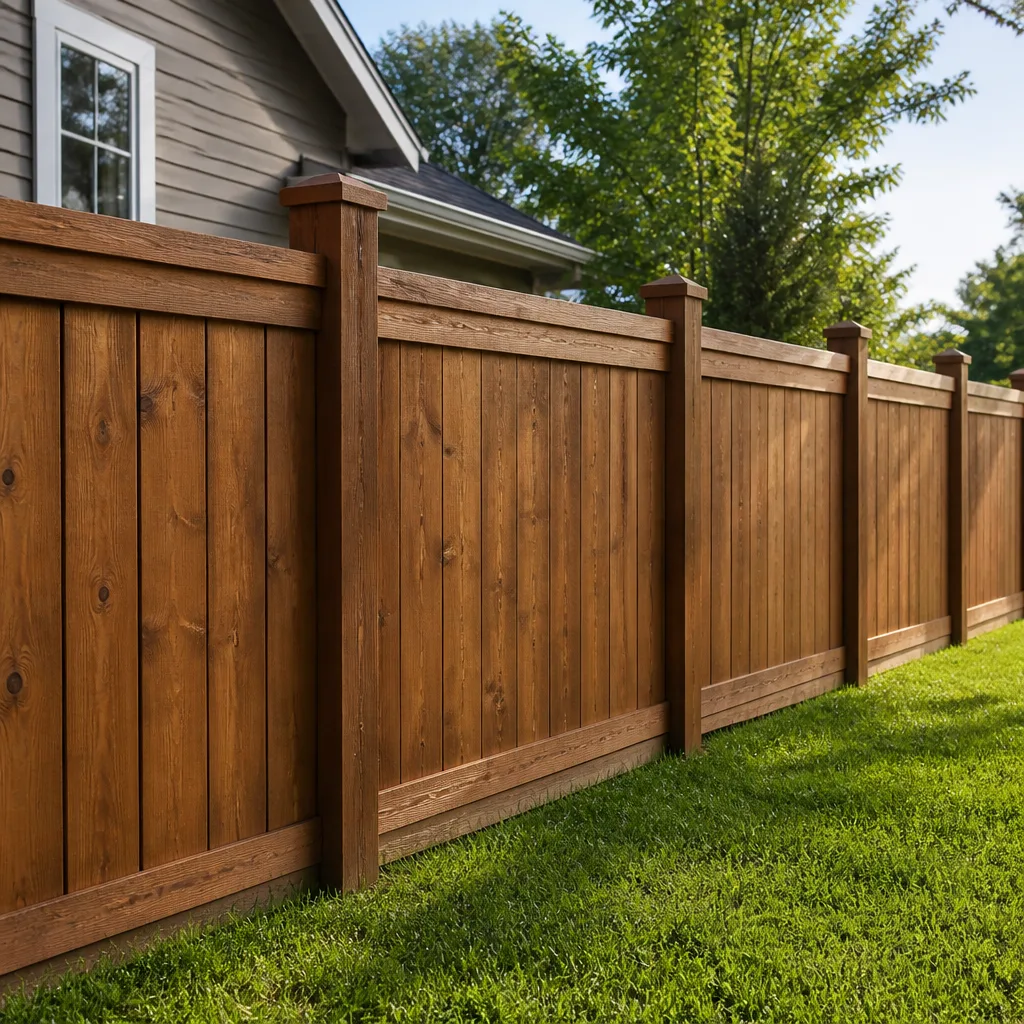 Fence
Free written scope consultation - allowances, timeline, and change-order rules on paper before a single trade is scheduled
The Complete General Contractor Guide for Hesperia Homeowners
Hesperia sits at roughly 3,200 feet in the High Desert, where a July afternoon can hit 105°F and a December night can drop into the twenties. That 40-degree daily swing is not a weather footnote; it is the single most important fact about building and remodeling in this city. It dictates which stucco mixes crack less, which roofing underlayments survive thermal cycling, and why concrete specs that work fine in Rancho Cucamonga can fail prematurely in Hesperia. This guide walks you through every phase of hiring and working with a general contractor here, from the first site visit to the final walkthrough, with the specific conditions of this market in mind at each step. For a deeper look at what sets our approach apart, explore our General Contractor services.
Styles & brands we work with
Quick Answer
A general contractor in Hesperia is a licensed professional who manages your entire residential project, from permits and plan check through subcontractor scheduling, material sourcing, inspections, and the final punch list. In Hesperia specifically, the right GC should already understand San Bernardino County’s plan check requirements, the High Desert’s expansive clay soils and freeze-thaw dynamics, and the high-wind and fire-zone provisions that affect everything from roof attachment to exterior cladding. You should hire a GC who knows these conditions before you sign, not one who learns about them on your dime.
Table of Contents
- Why Hesperia Is a Different Kind of Build Market
- What a General Contractor Actually Does (and Why It Matters Here)
- License, Insurance, and Verification Basics
- How to Evaluate a GC’s Brand Portfolio, Not Just Their License
- The Permit and Plan Check Reality in San Bernardino County
- The Full Project Phases, From Site Assessment to Final Walkthrough
- Common Mistakes to Avoid
- When to Call a Professional
- Frequently Asked Questions
- The Bottom Line
Why Hesperia Is a Different Kind of Build Market
If you have remodeled in Orange County or the San Fernando Valley, set those assumptions aside. Hesperia and the wider Victor Valley present a set of physical and regulatory conditions that change how a competent contractor approaches nearly every trade.
Soil is the first issue. Much of Hesperia sits on clay-heavy, expansive soil that swells when wet and shrinks when dry. That movement puts real stress on slabs, footings, and any hardscape that sits directly on grade. A contractor who pours a standard concrete walkway without accounting for soil movement may hand you a cracked sidewalk within two winters. The same logic applies to retaining walls, paver patios, and foundation-adjacent work. We routinely see older Hesperia homes where perimeter patios have pulled away from the slab because the base was under-specified for clay movement.
Weather is the second issue. Hesperia’s temperature swings are not just an HVAC sizing question. Stucco, for example, expands and contracts with every cycle, and the freeze-thaw dynamic in winter accelerates hairline cracking if the mix and control joints are not done correctly. Roofing membranes face intense UV exposure in summer and cold brittleness in winter. Windows and doors need to be selected for a climate that sees both triple-digit summers and sub-freezing winter nights. A GC who learned their trade in coastal markets often underestimates these forces. A Hesperia-based or High Desert-seasoned GC should already know that a dark roof on a poorly ventilated attic in Hesperia can push attic temperatures past 150°F in August, which shortens shingle life and drives cooling costs up.
Fire is the third issue. Hesperia sits in a designated fire hazard severity zone in many areas, which triggers Wildland-Urban Interface code provisions. That affects siding choices, roof classifications, vent screening, and defensible-space grading. A contractor who has not pulled permits in San Bernardino County’s fire zones may not know, for example, that a reroof in a high-severity zone requires a Class A roof assembly, or that certain exterior wall coverings need specific ignition-resistant ratings. This is not a paperwork detail; it is a code requirement that can stall your project or fail inspection.
Finally, the market itself is thinner. The High Desert’s subcontractor base is smaller and more spread out than the LA basin’s. Electricians, plumbers, concrete crews, and stucco applicators serving Hesperia often also cover Victorville, Apple Valley, and Adelanto, which means their schedules fill weeks out. A general contractor with standing relationships and recurring work volume gets priority scheduling. A homeowner hiring subs directly, or a GC cold-calling subs for every job, waits longer and often pays more.
For a deeper look at how we approach full-home work in this market, see our General Contractor in Hesperia page.
What a General Contractor Actually Does (and Why It Matters Here)
A general contractor is the single point of accountability for a residential project. That sounds abstract until you picture the alternative: a kitchen remodel in Hesperia might involve a demo crew, a plumber, an electrician, a drywall contractor, a cabinet installer, a countertop fabricator, a tile setter, a painter, and a flooring crew. If you hire them separately, you become the project manager. You coordinate schedules, you resolve disputes, you chase down the electrician who did not show because a job in Victorville ran long, and you absorb the cost when trades blame each other for a defect.
A GC replaces that coordination overhead with a contract. Here is what that actually means in practice:
- One point of contact: You call one number for questions, changes, and problems. The GC owns the schedule and the outcome.
- Standing subcontractor relationships: A GC who runs consistent volume in Hesperia has crews they trust and who trust them. That means priority scheduling in a market where good subs are booked out.
- Material sourcing and logistics: The GC orders materials, verifies lead times, checks deliveries, and manages returns. In a supply environment where a wrong shower valve can stall a bathroom for three weeks, this matters more than most homeowners realize.
- Permit and inspection management: The GC pulls permits, schedules inspections, and knows what San Bernardino County inspectors actually look for. More on that below.
- Quality control: The GC catches defects before you ever see them. A good GC checks framing before drywall goes up, checks waterproofing before tile goes in, and checks flashing before siding goes on.
The difference between a GC who coordinates subcontractors and one with standing trade relationships is scheduling predictability. In the High Desert, where subs are spread thin across the entire Victor Valley, a contractor who works with the same crews on repeat business gets calls returned faster and labor scheduled sooner. A contractor bidding sub work to whichever crew is available is gambling with your timeline.
That same logic extends to materials. A GC with established relationships across recognized product brands can spec materials they know, from suppliers they trust, without guesswork. For example, when a Hesperia homeowner wants a specific paver style for a backyard patio that will sit on clay soil, the GC should be able to pull from a known hardscaping line like Belgard, whose permeable and segmental paver systems are engineered for specific base requirements, rather than whatever is sitting in a local yard. That is not brand snobbery; it is predictability.
License, Insurance, and Verification Basics
Before you evaluate anything else, you verify the fundamentals. In California, any contractor performing work valued at $500 or more in labor and materials must hold a valid contractor’s license from the Contractors State License Board, or CSLB. A general building contractor typically holds a Class B license, which authorizes them to take on projects that span multiple trades. Specialty contractors hold C-class licenses in specific trades like plumbing or electrical.
Here is the minimum verification routine we recommend for any Hesperia homeowner:
- Check the license number directly: Go to the CSLB website and pull the license. Verify the license is active, the classification matches the work, and there are no current suspensions or revocations. Do not accept a printed copy of a license from the contractor; look it up yourself.
- Verify insurance directly: Ask for a certificate of insurance, then call the insurer or use the carrier’s verification tool to confirm the policy is active. Hesperia projects involving roofing or siding work often require higher general liability limits, and if you are financing through a lender, they will have their own insurance requirements.
- Check for worker’s compensation coverage: If the GC has employees, they need workers’ comp. If they use only subcontractors, they may not. Ask the question explicitly. A roofer falling off a Hesperia roof without workers’ comp coverage becomes your problem in ways no homeowner wants to learn about firsthand.
- Ask about bond status: California requires a contractor’s license bond. The bond amount is not a measure of quality, but an active bond is a non-negotiable baseline.
- Look at the work history: Ask for recent project references in Hesperia or the surrounding High Desert, not just anywhere in Southern California. A contractor who did a beautiful kitchen in San Diego may never have dealt with Hesperia’s soil movement or fire-zone siding requirements.
We should be direct here: a valid license and insurance are the floor, not the ceiling. They tell you the contractor is legally allowed to work. They tell you nothing about whether the contractor knows how to build in Hesperia specifically. For that, you need to look at the next section.
How to Evaluate a GC’s Brand Portfolio, Not Just Their License
The license check tells you a contractor is legal. The brand portfolio tells you how they actually work. Here is why this distinction matters more in Hesperia than most homeowners assume.
A GC’s material relationships are a window into their operating reality. If a contractor can walk you through a Cambria or Silestone countertop selection, a Kohler or Moen fixture set, a GAF or CertainTeed roofing system, and a James Hardie siding line, you are dealing with someone who has supplier relationships and product knowledge across multiple trades. That is not just about aesthetics. It means the contractor can order what they spec without supply-chain guesswork, and it means they stand behind products that carry manufacturer quality standards and warranties.
On the other hand, a GC who quotes generic “quartz countertops” and “architectural shingles” with no brand names attached may be sourcing from whatever is cheapest at a local supplier that week. In a market like Hesperia, where extreme heat and UV exposure punish inferior materials quickly, the difference between a recognized brand and a mystery product is not vanity. It is durability.
Here is a practical evaluation approach:
- Ask for brand names in every major category: Cabinets, countertops, plumbing, roofing, windows, doors, siding, pavers, and fencing. A GC who can name specific manufacturers in each category has real sourcing relationships. A GC who cannot is either new, disorganized, or buying on price alone.
- Ask why they spec what they spec: A good contractor will tell you that a specific roof shingle line handles Hesperia’s heat better, or that a specific window series has the right U-factor and SHGC for High Desert sun. If they say “this is just what we use,” dig deeper.
- Check whether they carry fencing and hardscaping lines: This is a good litmus test for full-scope capability. A GC who can spec a Jerith aluminum fence or a Belgard paver system alongside a kitchen remodel is running a broader operation than one who only does interiors. Fencing brands like Bufftech and ActiveYards, for example, offer engineered systems that hold up to High Desert wind far better than big-box vinyl panels. If your contractor cannot talk about that distinction, they may not be the right choice for a whole-home project.
- Ask about supplier lead times: A GC with standing relationships can often tell you current lead times for specific brands off the top of their head. A GC without those relationships is calling around like a homeowner would.
The point is not that you need to become a materials expert. The point is that a contractor’s answer to these questions reveals whether they operate like a real general contractor with procurement capability, or like a middleman collecting bids and marking them up.
For a look at how this full-scope approach translates into actual remodeling work, see our Home Remodeling in Hesperia page.
The Permit and Plan Check Reality in San Bernardino County
If there is one phase where out-of-area contractors consistently underestimate Hesperia projects, it is permitting. San Bernardino County’s building department handles plan check for Hesperia, and their requirements can be more involved than what coastal contractors expect.
Here is what you need to know before you start:
- Plan check lead times are real: Depending on workload, San Bernardino County plan check can take anywhere from a few weeks to well over a month for complex projects. A GC who does not plan for this on the front end hands you a delayed start.
- Soils reports are often required: Because of Hesperia’s expansive clay soils, many projects involving new foundations, additions, or significant structural work require a geotechnical soils report before structural plans are approved. This is not optional paperwork; it changes the foundation design. A contractor who has built in Hesperia knows when this trigger applies.
- Fire-zone classifications shape the plan set: If your property falls within a wildland-urban interface area, the county will apply specific construction requirements: Class A roof assemblies, ignition-resistant siding, ember-resistant vent openings, and sometimes specific decking materials. These items must be reflected in the plans, or plan check sends them back for revision.
- Wind zone requirements affect attachment: Hesperia falls under elevated wind speed design criteria under ASCE 7. In practice, that means roof sheathing attachment, truss-to-wall connections, and certain structural straps may need to meet higher standards than a standard SoCal plan set assumes. A knowledgeable GC accounts for this in the structural drawings from day one.
- Energy code compliance: California’s Title 24 energy code applies everywhere, but Hesperia’s climate zone changes the calculations. Cooling loads dominate here, and a design that meets code in a milder climate may fail compliance in the High Desert. This affects HVAC sizing, window glazing specs, insulation levels, and even roof color in some cases.
- Plan check revision cycles: If the first submittal is incomplete, the county sends it back, and every revision cycle adds time. A GC who has worked with San Bernardino County knows which drawings and details need to be included the first time. An out-of-area GC learns by trial and error on your project.
The practical takeaway: ask any contractor you are considering how many projects they have permitted in San Bernardino County specifically, and whether they have worked in Hesperia’s fire-zone and wind-zone areas. Watch how they answer. A contractor who can talk about soils reports and Class A roofing without pausing has been through this. A contractor who waves it off with “we handle permits all the time” may be underestimating what Hesperia actually requires.
The Full Project Phases, From Site Assessment to Final Walkthrough
A well-run Hesperia project follows a predictable sequence. For a comprehensive overview of the full process, see The Complete Guide to Construction in Hesperia. Here is the phase-by-phase breakdown, with the High Desert checkpoints a good GC hits at each stage.
Phase 1: Pre-Construction Site Assessment
Before plans are drawn or permits are pulled, the GC should walk the property with a specific eye toward Hesperia conditions. During this walk, they are checking drainage patterns across the site, existing foundation condition, soil behavior evidence like cracking in current flatwork, wind exposure from the north and west, sun exposure on the south and west elevations, and existing roof and siding condition if exterior work is part of the scope. This is also when the GC should flag any potential fire-zone requirements and discuss how the project will handle them. If a contractor gives you a bid without walking the site in person, that is a red flag.
Phase 2: Design, Specifications, and Brand Selection
Once the scope is defined, the GC develops specifications. This is where the brand portfolio matters. The GC should be able to present you with named product options across every category: cabinet lines, countertop materials, fixture brands, flooring, roofing systems, siding, windows, doors, pavers, and fencing. For a Hesperia project, each spec should include a climate rationale. Why this roof color, why this window glazing, why this stucco mix or siding line. At the end of this phase, you should have a written specification sheet with brand names and model numbers, not vague descriptions.
Phase 3: Plans, Engineering, and Permit Submittal
If structural work is involved, the GC brings in a structural engineer or architect. For Hesperia projects, the plan set must address soils, wind, and fire-zone requirements where applicable. The GC submits to San Bernardino County, tracks the plan check process, and responds to any corrections. This phase is where schedule realism lives. A GC who promises to start construction two weeks after you sign, before plans are approved, is not being honest with you.
Phase 4: Pre-Construction Mobilization
Once permits are issued, the GC locks in subcontractor schedules, orders materials with confirmed lead times, and establishes the site: fencing, protection, dumpster placement, and a clear scope-of-work sign-off with you. In Hesperia, this is also when the GC should confirm the project’s dust and wind mitigation plan, because High Desert afternoons can produce sustained winds that turn unsecured construction debris into projectiles.
Phase 5: Rough Construction
This is demolition, framing, structural work, roofing, rough plumbing, rough electrical, and mechanical work. For Hesperia, the key checkpoints are: roof sheathing and attachment per wind requirements, wall framing and shear paneling per structural plans, window and door flashing details per manufacturer specs with High Desert weather exposure in mind, and any exterior penetrations sealed properly. These items get inspected by the county before they are covered up.
Phase 6: Insulation, Drywall, and Exterior Closure
Once the structure is closed in, the project moves to insulation, drywall, stucco or siding application, and installation of windows and doors. In Hesperia, this is when thermal envelope quality really matters. Gaps in insulation, poorly sealed window frames, or skipped air barrier details will show up in your utility bills within the first summer. A good GC checks these details before drywall covers them.
Phase 7: Finishes and Fixtures
This is the phase homeowners enjoy most: cabinets, countertops, tile, plumbing fixtures, lighting, flooring, interior doors, trim, and paint. By now, the brand selections made in Phase 2 should be arriving on schedule because the GC locked lead times early. This is also when you discover whether your GC’s material relationships were real or aspirational. A GC who can pull a delayed cabinet order through a supplier relationship earns their fee here. One who cannot leaves your kitchen half-finished for six weeks.
Phase 8: Final Inspections, Punch List, and Handover
The county performs final inspections on permitted work. The GC walks the project with you and builds a punch list of any remaining items: touch-up paint, hardware adjustments, minor trim issues. Everything gets corrected. You receive final documentation: copies of permits, inspection approvals, product warranties, and any manufacturer registrations. The project closes clean.
This phase structure applies to everything from a kitchen remodel to a full home renovation. What changes is scale and duration, not sequence. For a deeper look at renovation-scale work, see our Home Renovation in Hesperia page.
Common Mistakes to Avoid
- Hiring a contractor without Hesperia or High Desert experience: A GC who has never pulled a permit in San Bernardino County or built on expansive soil will learn on your project. That learning curve costs you schedule time and often real money.
- Choosing the lowest bid without comparing scope: Hesperia’s subcontractor market is thin, which means low bids often reflect corner-cutting on materials you cannot see: base prep under pavers, insulation density, flashing details. Compare bids line by line, not just the bottom number.
- Skipping the soils report when it is required: On foundation work in Hesperia, a soils report is not optional insurance; it determines the foundation design. Skipping it to save a few hundred dollars risks structural movement that costs thousands to fix later.
- Underestimating plan check timelines: San Bernardino County plan check can add weeks to a project. If your contractor’s schedule assumes construction starts right after contract signing, the schedule is fiction. Plan from the permit date, not the contract date.
- Ignoring fire-zone requirements on exterior projects: If your Hesperia home sits in a high-severity fire zone and your contractor specs a roof or siding without checking the classification, you will fail inspection and pay for rework. Ask the question before materials are ordered.
- Buying materials without climate consideration: The wrong window glazing, the wrong roof color, or the wrong stucco mix in Hesperia’s extreme temperature swings leads to premature failure. A good GC specifies for the High Desert climate, not a generic California default.
- Hiring separate specialty contractors to save money: The coordination overhead is real. You become the project manager, you absorb scheduling gaps between trades, and when something goes wrong, each trade blames another. The savings rarely survive the first two weeks of chaos.
When to Call a Professional
You should bring in a general contractor the moment your project touches more than one trade. A kitchen remodel that involves electrical, plumbing, cabinets, counters, and flooring is a GC project. A reroof combined with new siding and window replacement is a GC project. An ADU build, even a prefab one, involves foundations, utilities, and finish trades, and that is absolutely a GC project. And any time your project needs structural plans, a soils report, or San Bernardino County plan check, you want a contractor who has done that specific dance before.
We have also seen too many Hesperia homeowners wait until a small issue becomes structural. A crack in a patio slab that catches runoff and worsens each freeze-thaw cycle is cheaper to address early. A roof with tired flashing at the roofline becomes a ceiling stain in the first winter storm. If you are unsure whether your project needs a GC, the phone call costs you nothing. Hampton Contractors offers free estimates in Hesperia. Call (833) 467-4075.
For a broader look at how we handle full residential projects, visit the Hampton Contractors home page.
Frequently Asked Questions
General contractors in Hesperia typically charge either a percentage of the total project cost, often 15 to 20 percent for full-scale remodels, or a fixed fee built into a line-item bid. The total project cost depends on scope, materials, and site conditions like soil and fire-zone requirements. The best way to get an accurate number for your specific project is to request a detailed line-item estimate. Call (833) 467-4075 to schedule a free estimate from Hampton Contractors.
Most structural, electrical, plumbing, and mechanical work in Hesperia requires a permit through San Bernardino County, and many exterior projects also trigger plan check review. Cosmetic work like painting or replacing flooring generally does not. Your contractor should tell you clearly which permits your project needs and who is responsible for pulling them. If a contractor suggests skipping permits to save time or money, walk away.
A full home renovation in Hesperia typically takes four to eight months, depending on scope, but the biggest schedule variable is often San Bernardino County plan check, not construction itself. Soils reports, fire-zone reviews, and revision cycles can add weeks before a shovel ever hits dirt. A realistic contractor gives you a schedule that starts from permit issuance, not contract signing.
A general contractor holds a California contractor’s license and can legally manage projects across multiple trades, pull permits, and hire licensed subcontractors. A handyman is limited to smaller jobs, typically under $500 in combined labor and materials, and cannot pull building permits for structural work. In Hesperia, any project involving structural, electrical, plumbing, or roofing work should go through a licensed GC.
If your Hesperia property is in a fire hazard severity zone, San Bernardino County applies wildland-urban interface code requirements to your project. That can mean a Class A roof assembly, ignition-resistant siding, ember-rated vents, and specific deck or railing materials. These requirements must appear in your plans or the county will reject the submittal, which costs you time and revision fees.
Yes. Hampton Contractors runs interior remodeling, exterior renovation including roofing and siding, hardscaping, fencing, and ADU or prefab construction under one contract. That means one point of contact and one coordinated schedule for your entire project. Call (833) 467-4075 to talk through your scope.
The Bottom Line
Hesperia is a rewarding place to build and remodel, but it punishes generic assumptions. The soil moves, the temperature swings, the wind blows, and the fire zones demand specific materials and methods. The right general contractor for your project is someone who already knows these realities, who can pull permits in San Bernardino County without a learning curve, and who can source recognized materials from brands you know, instead of whatever is available that week. Do the license verification, ask the brand portfolio questions, and demand a phase-by-phase plan that begins with a real site assessment. For more guides & resources on building in the High Desert, visit our blog. The right contractor makes a complex project feel organized. The wrong one makes an organized project feel like an emergency. Choose deliberately.
Written by the team at Hampton Contractors, serving Hesperia since 2016.
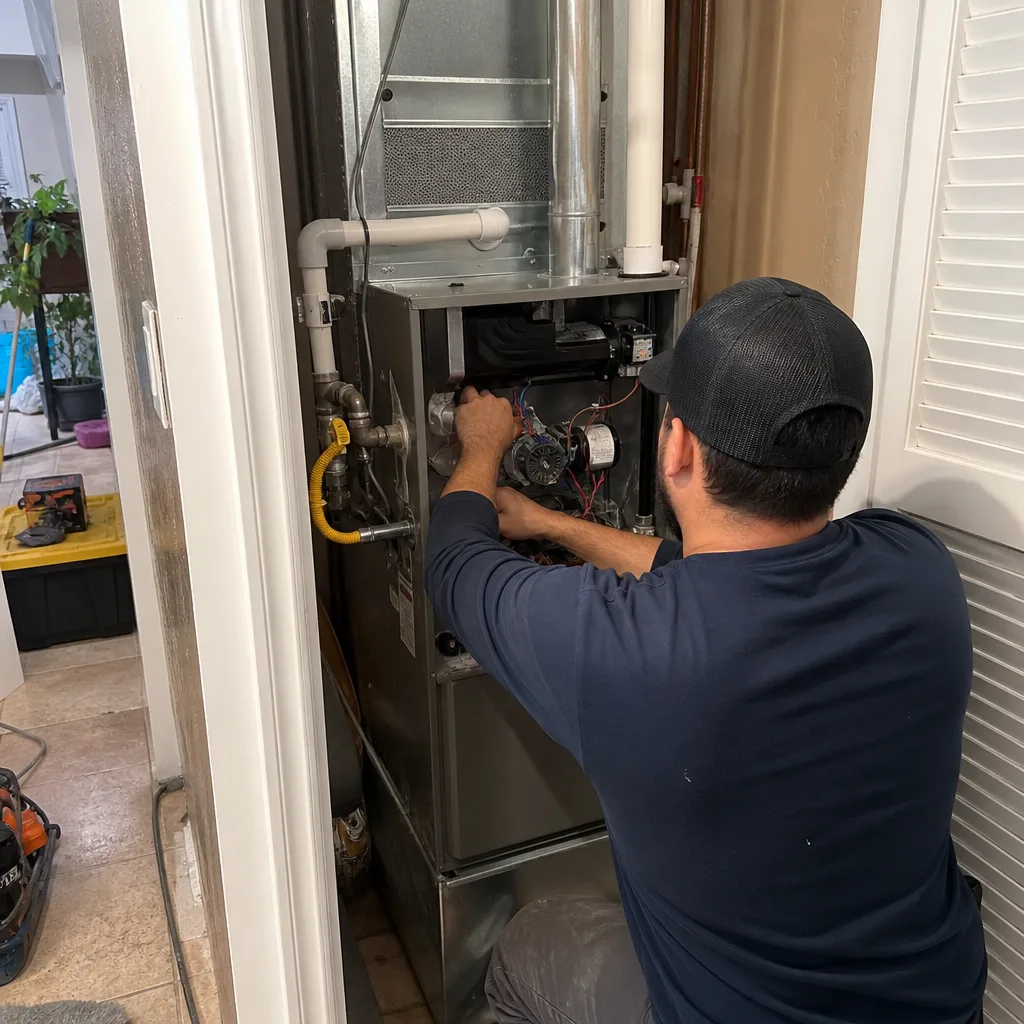
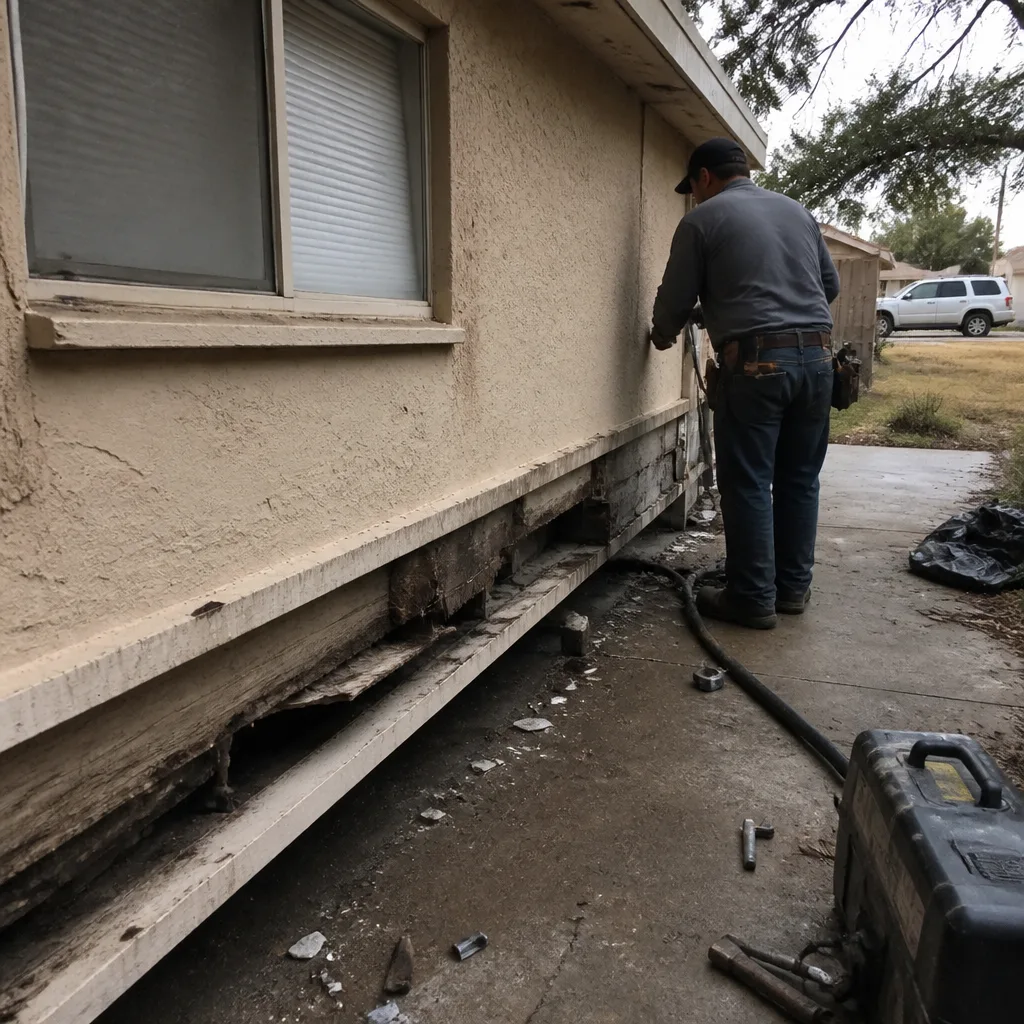
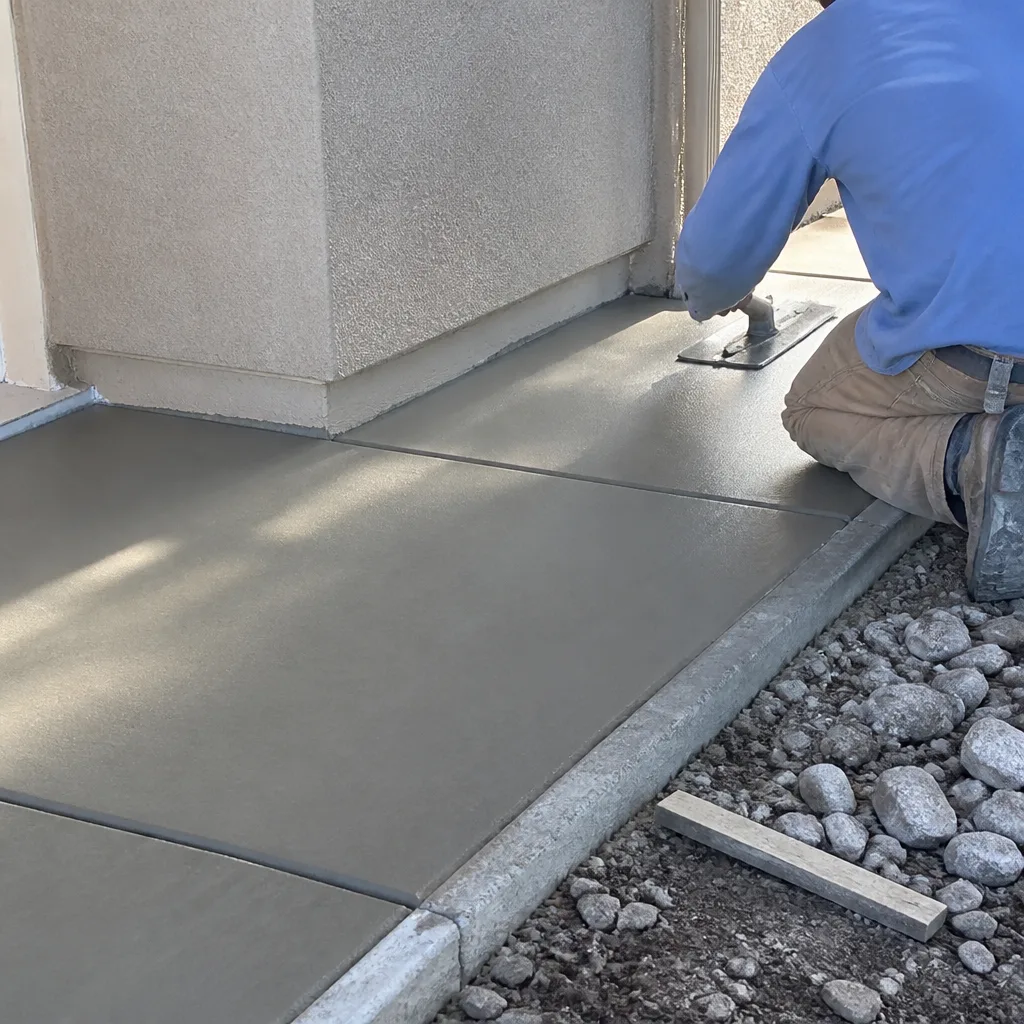
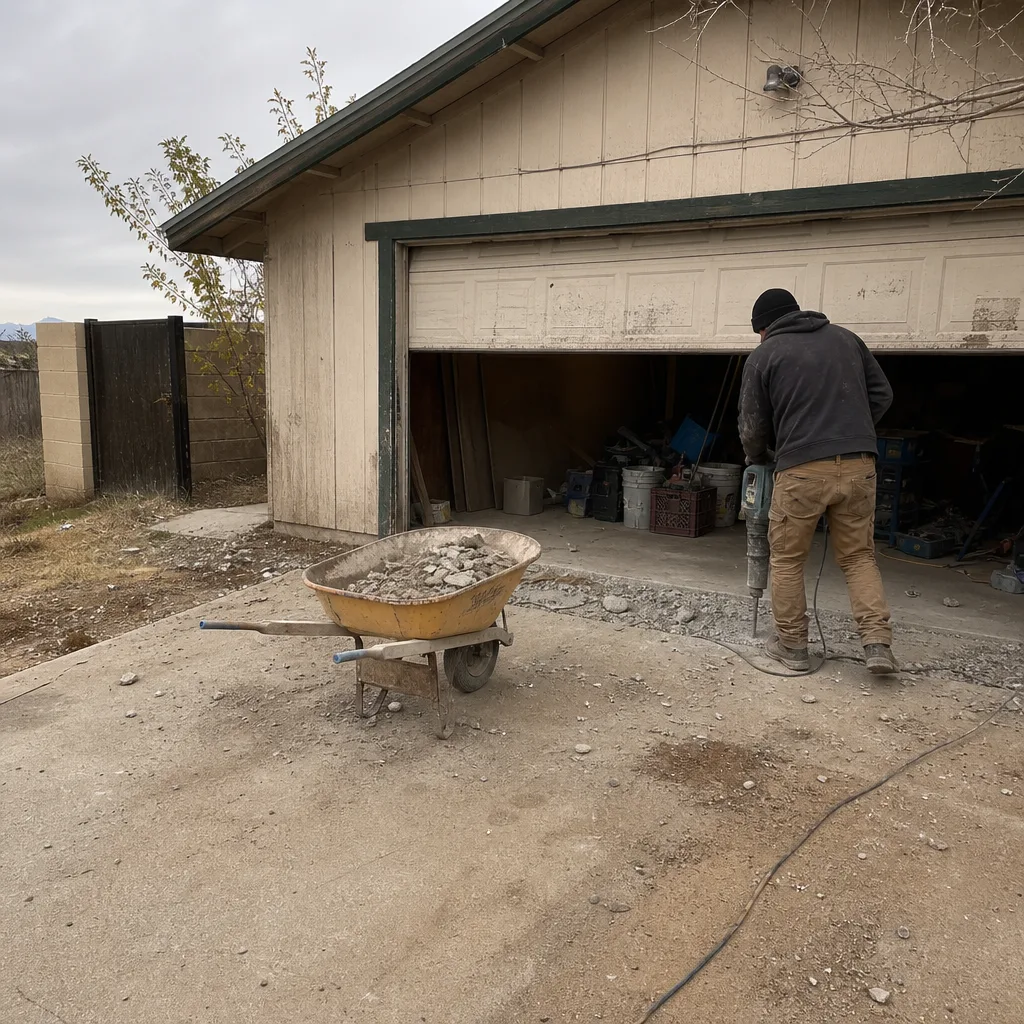
See the difference
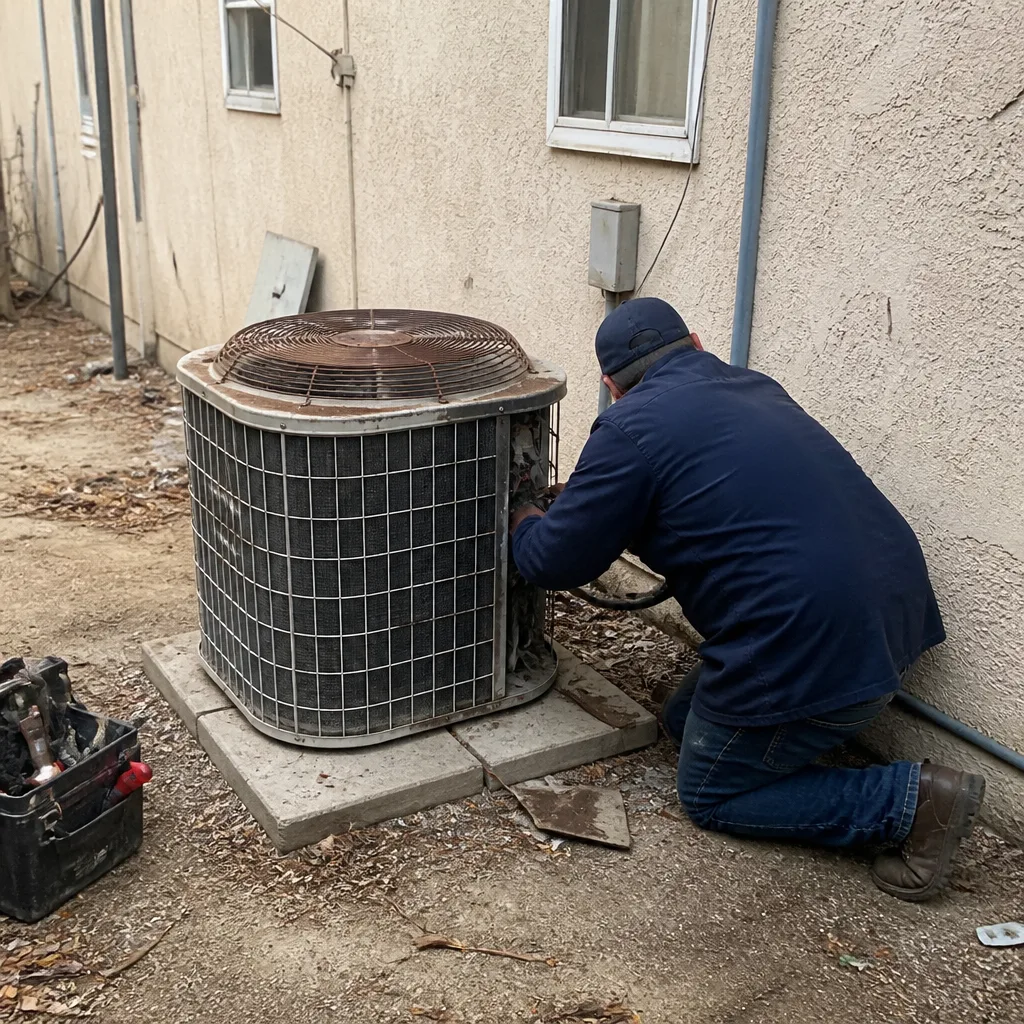 Before
 After
 Before
 After
 Before
 After