
Last updated October 30, 2026
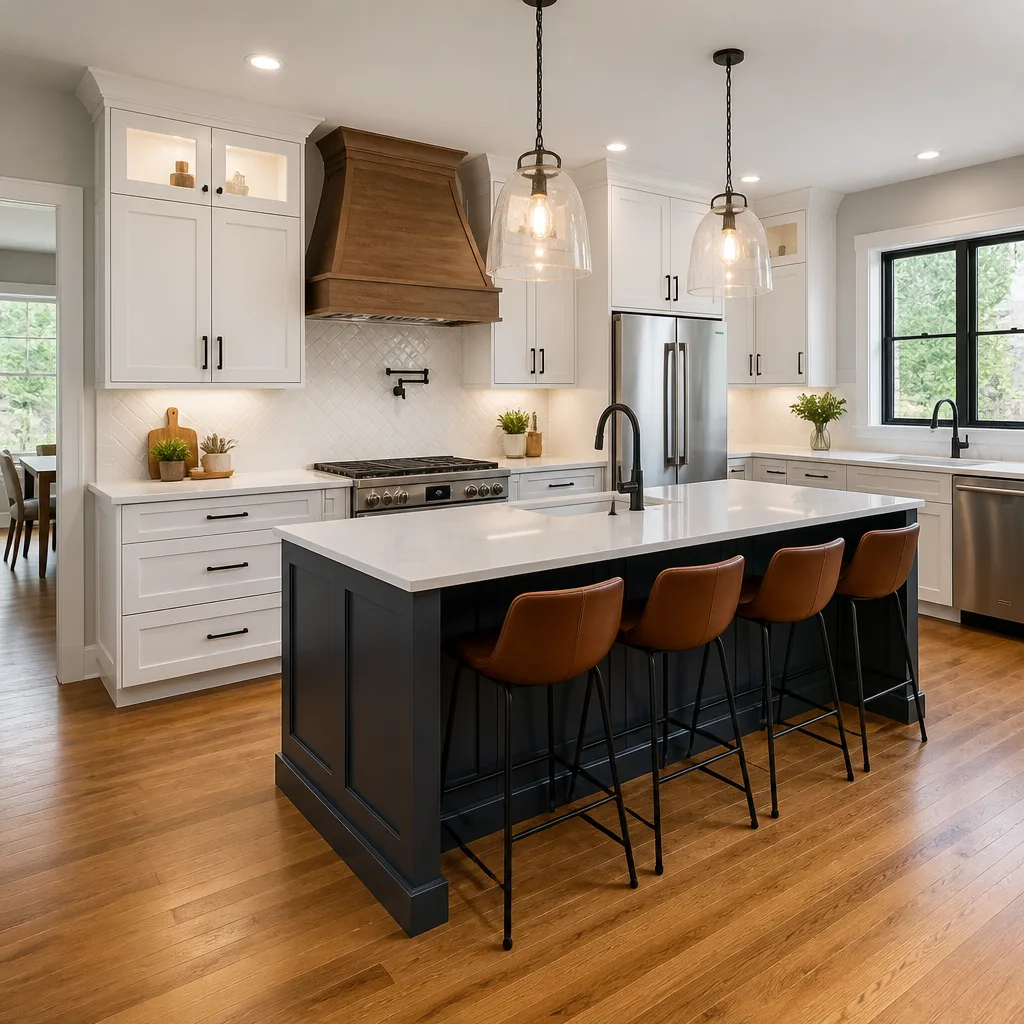 Kitchen remodeling
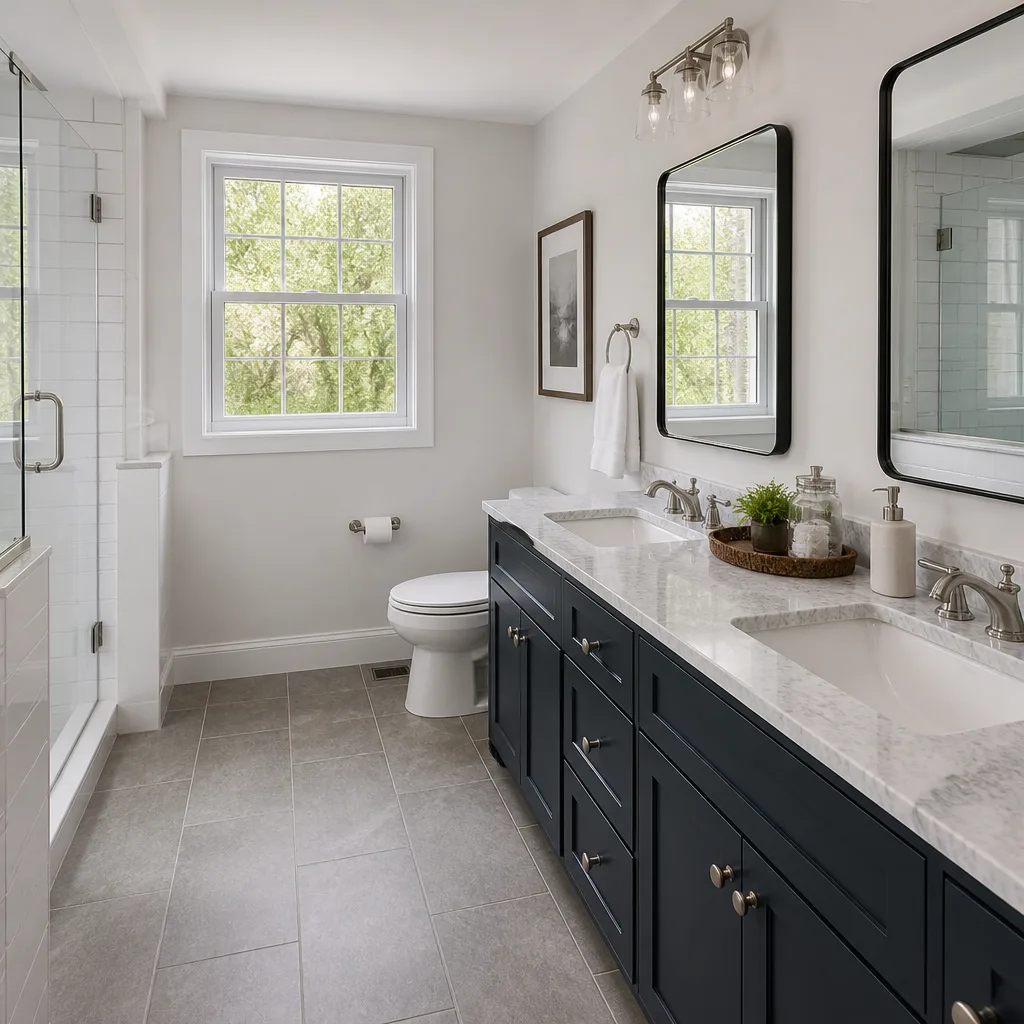 Bathroom remodeling
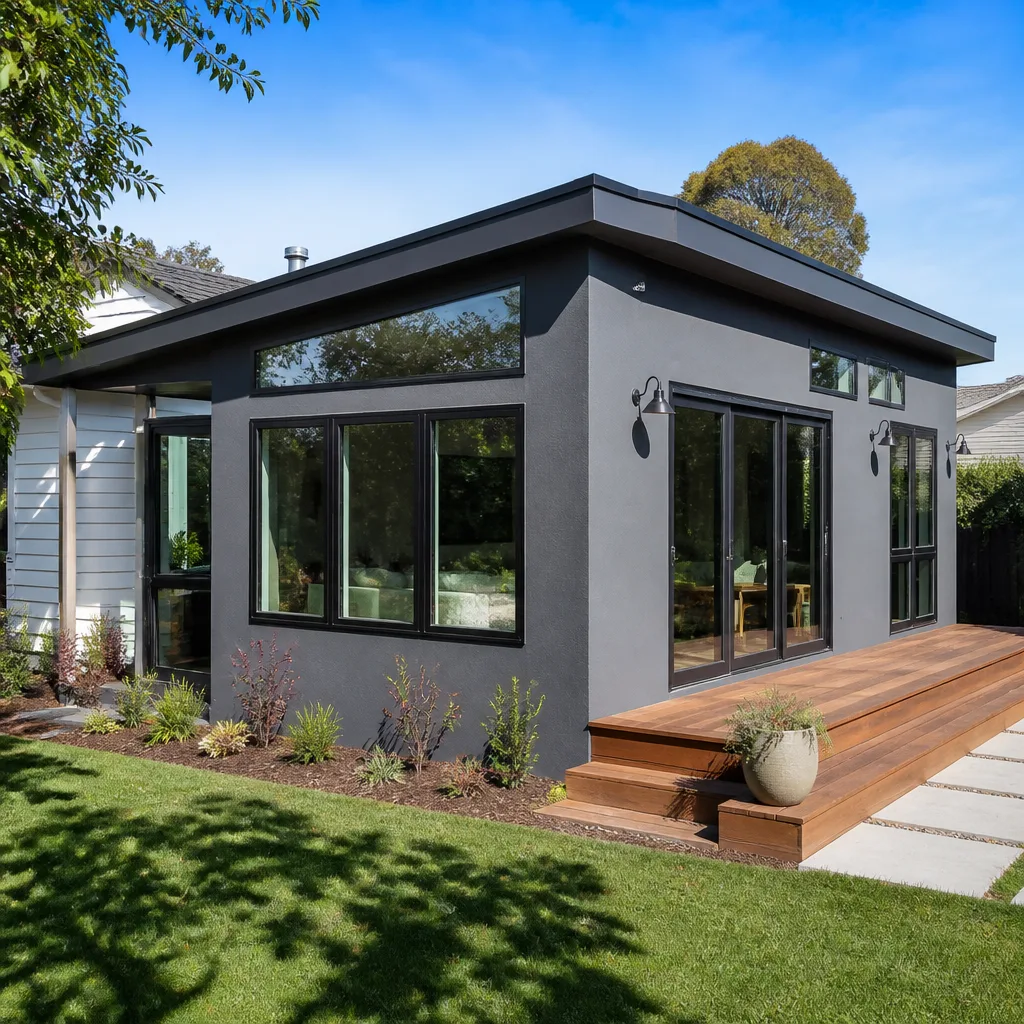 Home additions & ADU
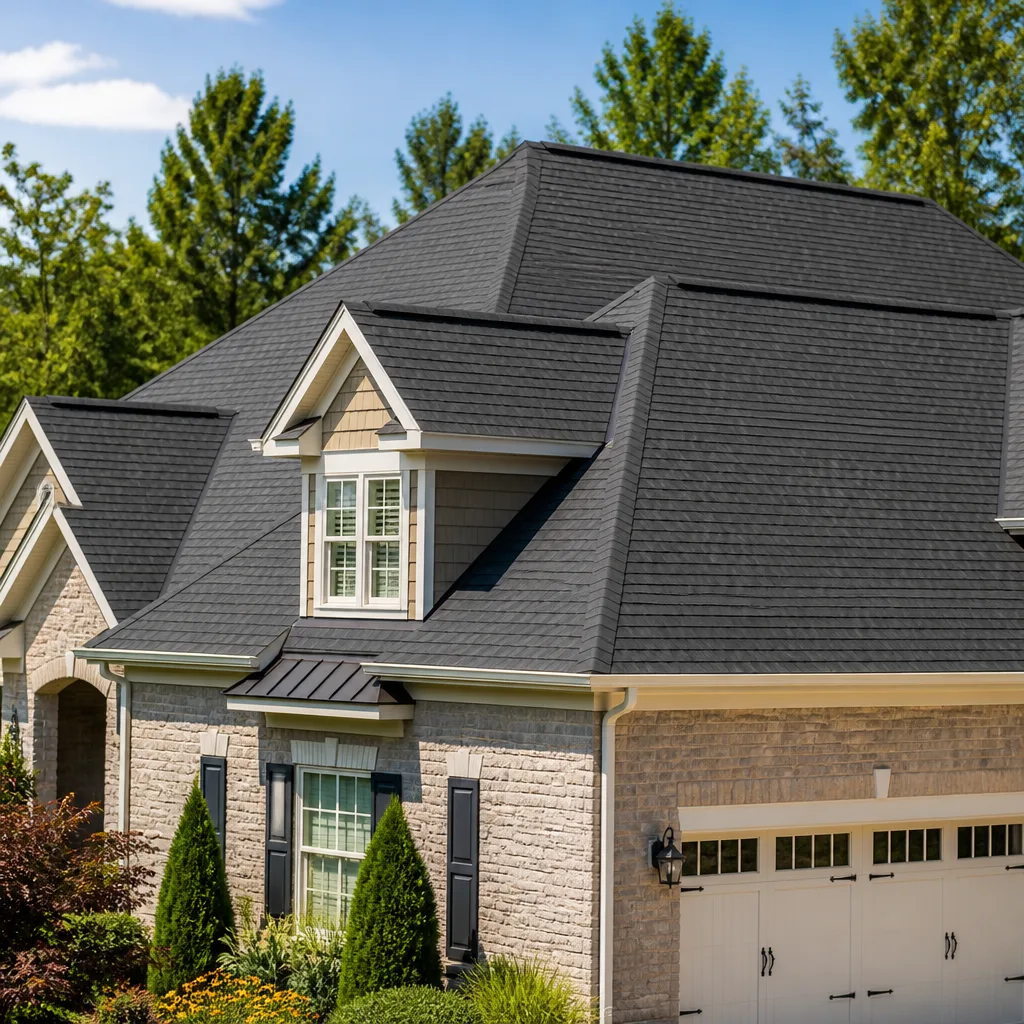 Roofing
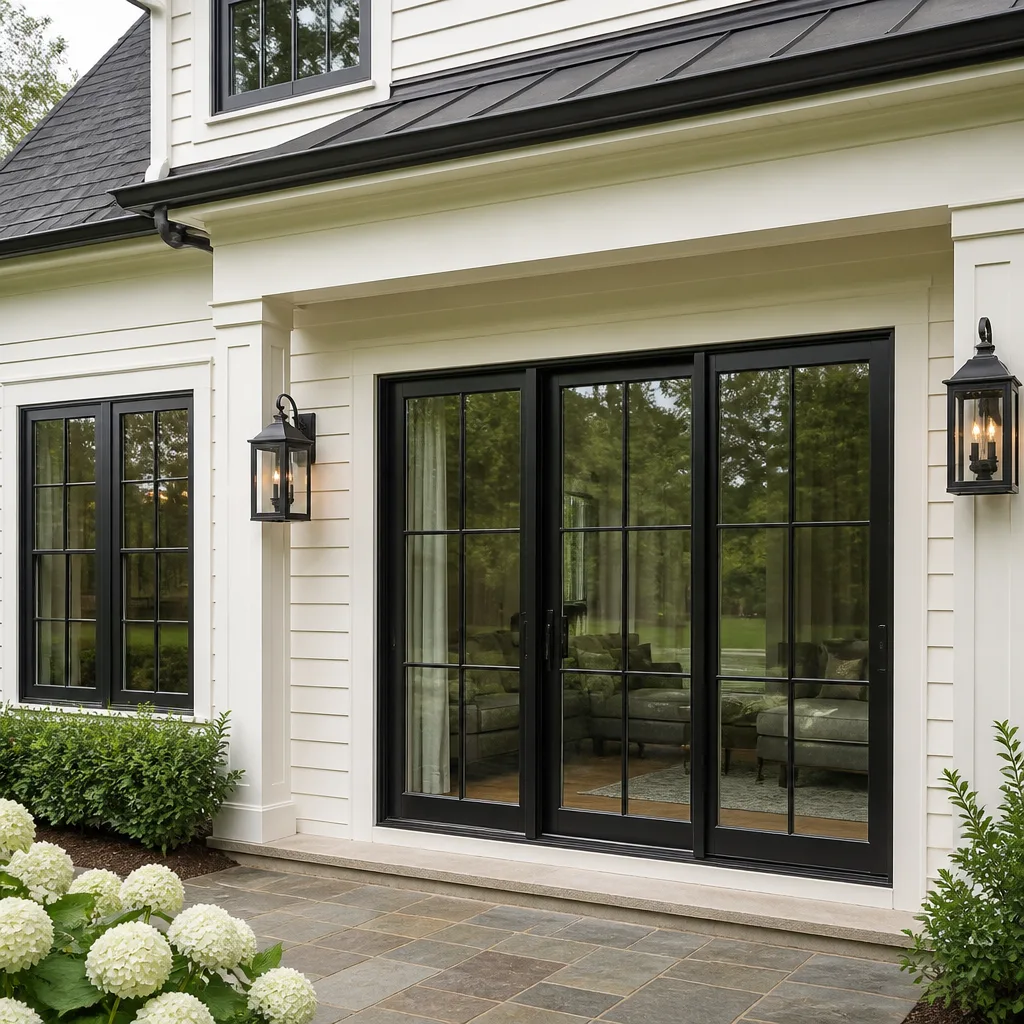 Windows & doors
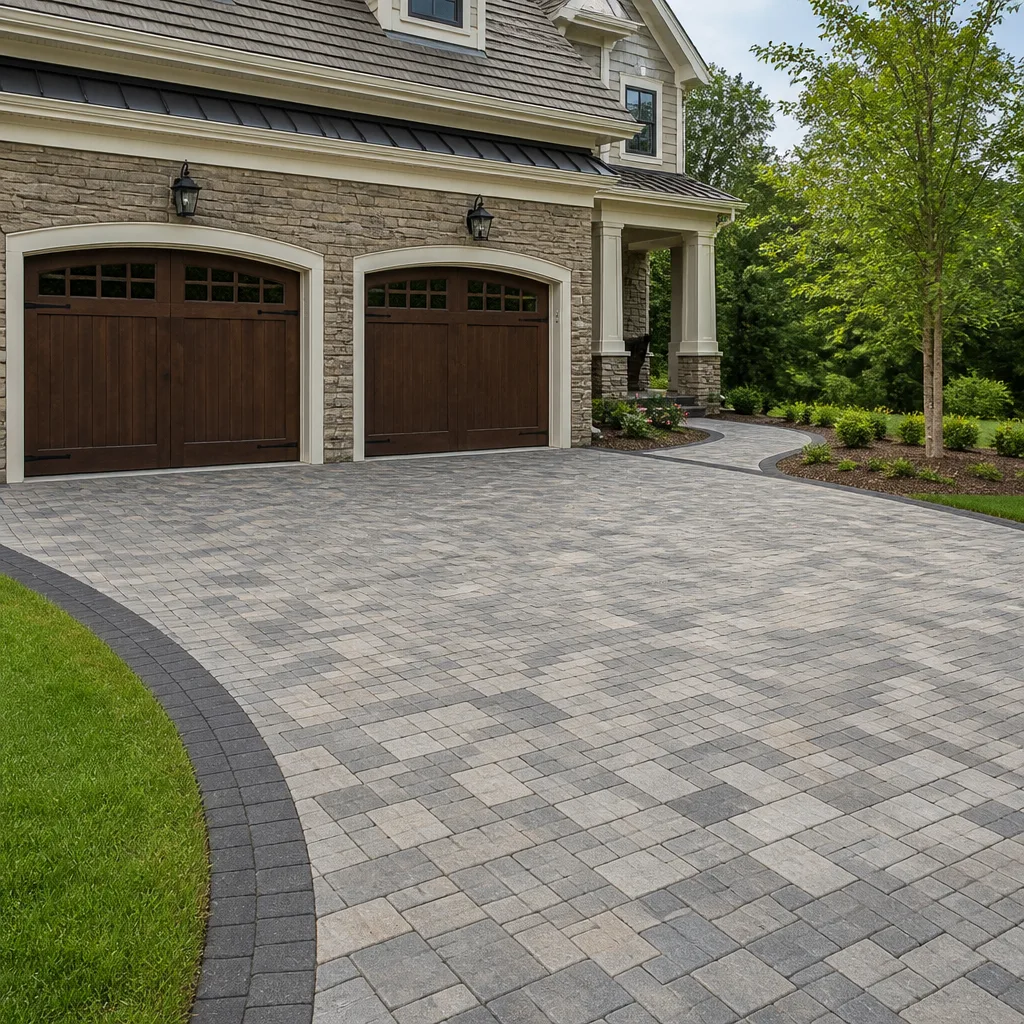 Driveway & pavers
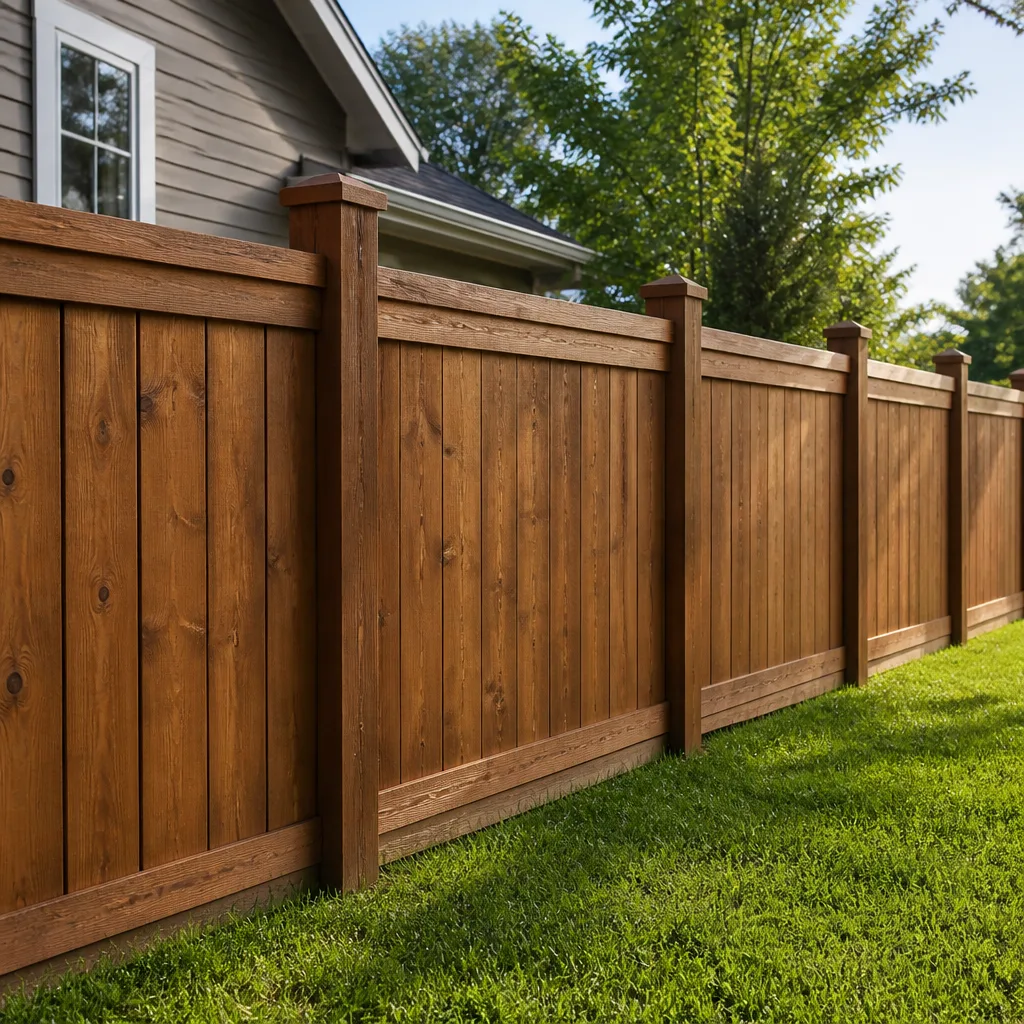 Fence
Free written scope consultation - allowances, timeline, and change-order rules on paper before a single trade is scheduled
The Complete Guide to Construction in Hesperia
Hesperia sits at roughly 3,200 feet elevation with wind corridors that routinely hit 60-plus mph – specs that disqualify a surprising number of roofing and siding products that are perfectly legal and popular 90 miles west in Los Angeles. This guide maps High Desert conditions to real project decisions: what the soil does to foundations, why the permitting path splits between two jurisdictions, which materials earn their keep against I-15 corridor winds, and how to sequence a full-scope build so interior finishes aren’t ruined by a desert rainstorm that arrives six months after the framing crew leaves. If you’re planning construction in Hesperia, you need specifications built for the Mojave, not translated from the coast. Here’s what actually changes.
Styles & brands we work with
Quick Answer
Construction in Hesperia, CA is governed by High Desert conditions that coastal-market builders rarely account for: expansive clay and decomposed granite soils that dictate foundation engineering, wind-load requirements driven by 60-plus mph gusts through the Cajon Pass corridor, and a dual permit path split between San Bernardino County and the City of Hesperia. The right contractor sequences roofing and weatherproofing before interior trades, specifies materials rated for thermal swing and wind exposure, and checks manufacturer warranty eligibility against Hesperia’s elevation and climate zone before a single product is ordered.
Table of Contents
- Soil and Foundations: What Hesperia Ground Actually Does
- The Dual Permit Path: San Bernardino County and City of Hesperia
- Wind Loads and Thermal Mass: Building for the I-15 Corridor
- Sequencing a Full-Scope Project: Why the Roof Leads
- Cajon Pass and Warranty Eligibility: What Manufacturers Won’t Tell You
- Material Selection: Brands That Hold Up in Hesperia
- What Construction Costs in Hesperia: A Realistic Budget Map
- Common Mistakes to Avoid
- When to Call a Professional
- Frequently Asked Questions
- The Bottom Line
Soil and Foundations: What Hesperia Ground Actually Does
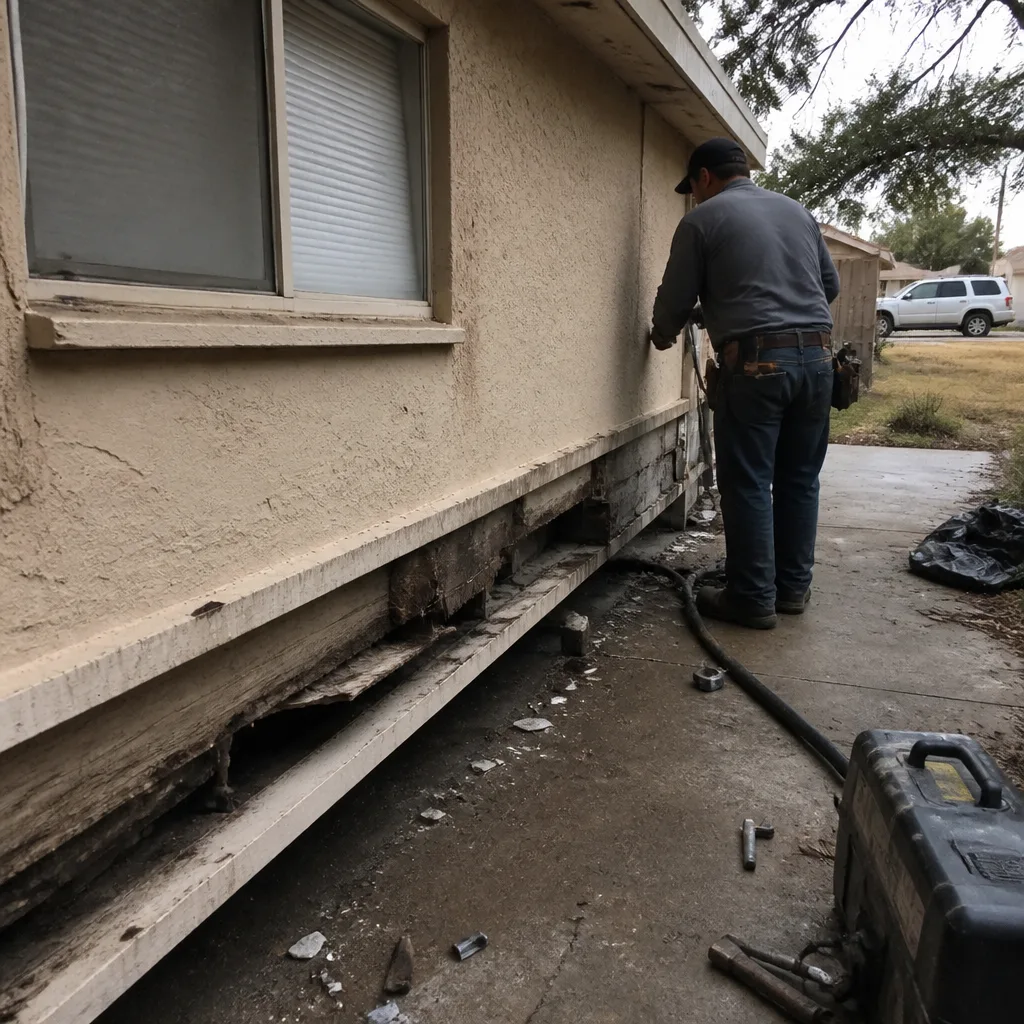
Before a shovel goes in the ground in Hesperia, the soil type should determine which foundation system gets specified. Most of the city sits on a patchwork of expansive clay and decomposed granite, and the two behave completely differently. Expansive clay swells when wet and shrinks when it dries, which means a foundation poured without accounting for that movement will crack within the first few seasonal cycles. Decomposed granite, common on the eastern and upper-elevation lots, drains faster but can settle unevenly if it isn’t compacted to the right density. In our experience on projects across Hesperia, the lots near the Mojave River wash require more structural attention than the higher, granite-heavy parcels.
The practical effect: slab-on-grade foundations work on stable, well-compacted decomposed granite, but lots with significant clay content often need post-tension slabs or deepened footings. The difference isn’t cosmetic. A standard slab on reactive clay will telegraph cracking through flooring, tile, and drywall within three to five years. A geo-technical report, which runs a few hundred dollars depending on the parcel, is the cheapest insurance a Hesperia homeowner can buy before construction starts. Skipping it on a remodel that touches load-bearing walls or adds square footage is the single most common foundation mistake we see.
What to ask before the foundation design is finalized:
- What soil type did the geo-technical report identify on this specific lot, not the general area?
- Does the foundation spec match the soil’s expansion and settlement characteristics?
- Are footings deepened or post-tensioned where the report calls for it?
- What compaction standard was required for fill zones, and was it verified before the pour?
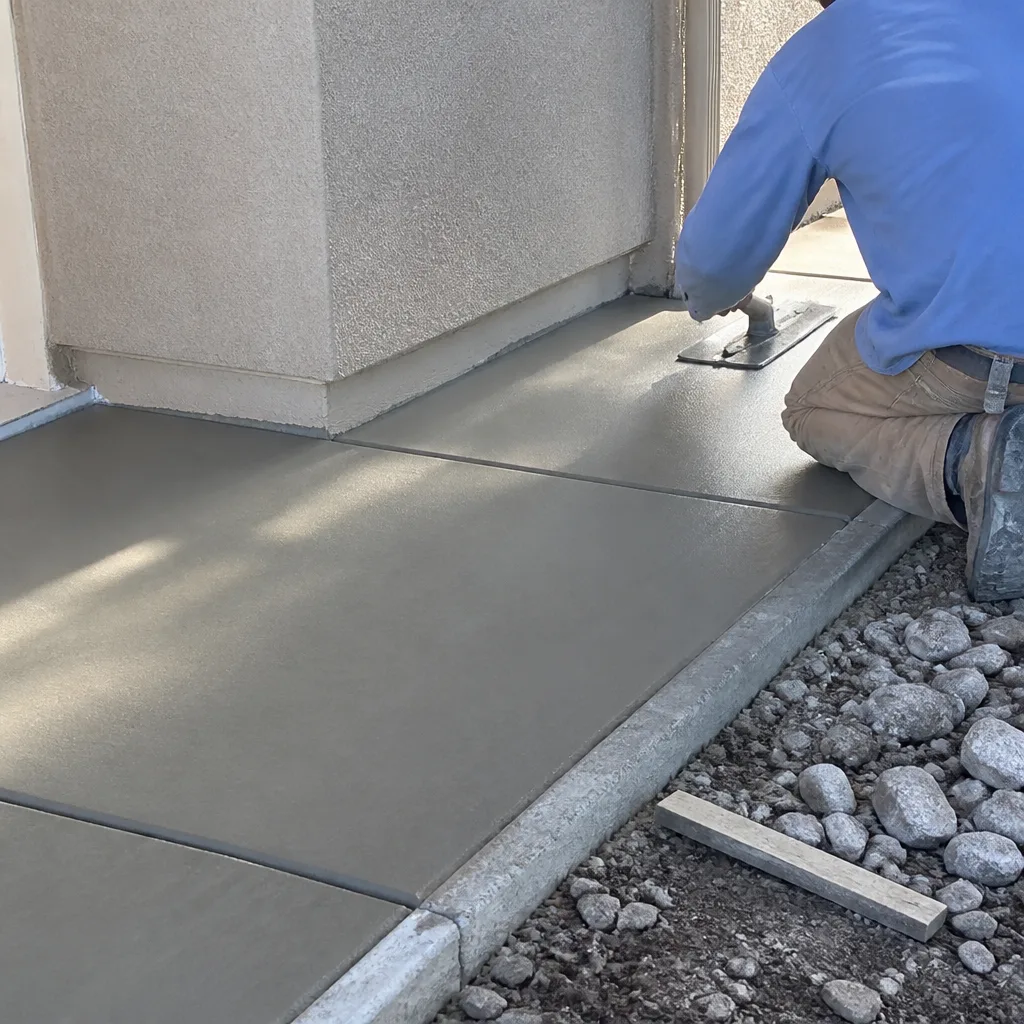
Soil isn’t the only below-grade factor. Hesperia’s freeze-thaw cycle, while mild compared to mountain communities, still matters for concrete curing schedules. Pouring flatwork during a late-fall cold snap without proper curing blankets can weaken the slab surface and lead to spalling within a few winters. The fix is simple: read the forecast, plan pours for stable temperature windows, and ensure the crew uses proper curing methods. It’s a small decision that determines whether the driveway still looks good in a decade.
This is the kind of ground-level specificity that separates a General Contractor in Hesperia who builds here every month from one who drives up the hill and applies San Bernardino flatland assumptions. Foundation engineering is not a place to save money by skipping the report.
The Dual Permit Path: San Bernardino County and City of Hesperia
Hesperia operates under two layers of construction authority, so understanding Construction Permits, Codes & Inspections in CA: What You Need to Know before breaking ground can save weeks. The City of Hesperia issues most residential building permits through its Building and Safety Division, but San Bernardino County retains authority over certain environmental, water, and land-use approvals. A project that looks straightforward on paper can require clearances from both agencies, and each has its own review timeline, fee schedule, and inspector pool.
Here’s the layering that trips up out-of-area contractors:
- The City of Hesperia reviews structural plans, issues the building permit, and performs field inspections during construction.
- San Bernardino County may require separate approval for grading, drainage, septic, or well modifications, depending on the parcel and scope.
- For ADU construction, the county’s environmental health division often weighs in on water and sewer capacity before the city will release the building permit.
- Fire safety reviews, driven by High Desert wildfire risk, can route through the Hesperia Fire Protection District or county fire authority, adding another approval layer for certain exterior finishes and defensible-space requirements.
A contractor who builds mostly in the Los Angeles basin or the Inland Empire flatlands often assumes one agency, one counter, one permit. That assumption fails in Hesperia the moment a homeowner wants to add an accessory dwelling unit, change a roofline, or move significant earth. The permit path isn’t harder. It’s just layered, and the right general contractor already knows which layer to pull first, which approval to run in parallel, and which inspector will care about which detail.
Plan review times in Hesperia vary by season and workload, but homeowners should budget four to eight weeks for a standard remodel permit and eight to fourteen for an ADU or significant addition that triggers county-level review. Expedited review paths exist for some project types, but they come with additional fees and stricter submittal requirements. The lesson is simple: lock the permit strategy before finalizing the construction schedule.
Wind Loads and Thermal Mass: Building for the I-15 Corridor
Hesperia’s wind isn’t occasional. It’s a design condition. The city sits on the High Desert side of the Cajon Pass, which funnels air from the coast through the San Gabriel and San Bernardino Mountains and accelerates it as it spills into the Victor Valley. Gusts over 60 mph are routine during Santa Ana events, and sustained winds in the 25 to 40 mph range show up in seasonal patterns that coastal builders never design for.
What that means for construction is specific. Roofing underlayment has to be rated for the uplift zone Hesperia falls into under the California Building Code’s wind maps. Asphalt shingles need a higher wind rating than what gets specified for a Rancho Cucamonga re-roof, and the nailing pattern matters more here than almost anywhere else in the region. The same applies to siding: products with lower wind-load ratings can fail inspection in Hesperia even when they’re compliant 40 miles downhill.
Thermal considerations are the second piece. Hesperia swings from summer highs above 100 degrees to winter nights below freezing, sometimes within the same week during shoulder seasons. That swing punishes framing and insulation choices designed for the coast’s narrow temperature band. Exterior walls need sufficient insulation R-value to hold conditioned air against the summer heat, while the attic ventilation design has to handle extreme heat without baking the roofing system from below. A ventilated roof assembly that keeps shingles from cooking in July is not optional here. It’s the difference between a 15-year roof and a 25-year roof.
Windows are the third weak point. Single-pane or low-quality double-pane windows fail the thermal test in Hesperia fast, and the wind makes air infiltration hard to hide. A window with a weak seal will leak dust and wind noise through every Santa Ana event, which is why the product selection matters as much as the installation. When we spec windows for Hesperia projects, we look at the air infiltration rating first, the U-factor second, and the brand warranty third. PGT, Therma-Tru, and CGI products carry ratings that actually translate to High Desert performance, and the manufacturer documentation gives homeowners something to hold onto when product questions come up during inspection.
Sequencing a Full-Scope Project: Why the Roof Leads
In coastal construction, trades can overlap in ways that would be reckless in Hesperia. A contractor who schedules interior drywall before the roof is fully dried-in is gambling against weather patterns that don’t move as predictably as coastal marine layers. A Hesperia summer thunderstorm can arrive with almost no warning, drop a half-inch of rain in 40 minutes, and flood an open structure before the crew can pull tarps. That’s why the correct sequence for any full-scope remodel or addition starts with enclosure: roof, underlayment, weather barrier, windows, and exterior doors close the building envelope first, then interior trades mobilize.
The correct sequence looks like this:
- Demo and site preparation, including any grading or drainage work the permit requires.
- Foundation and structural framing, with wind-rated shear panels and hold-downs installed at this stage, not retrofitted later.
- Roofing installation and weatherproofing, including underlayment, flashing, and the finished roof surface.
- Exterior envelope completion: siding or stucco, window installation, exterior door hanging.
- Interior rough-in: plumbing, electrical, HVAC ducting.
- Insulation and drywall, followed by finish trades.
- Hardscaping and exterior flatwork last, so heavy equipment doesn’t tear up a finished patio.
That sequence is not negotiable for a Hesperia project. We’ve seen the alternative: a homeowner who hires piecemeal trade crews, gets the kitchen cabinets installed before the roof is complete, and then watches a single monsoon cell destroy $18,000 worth of millwork. The contractor’s sequencing discipline is the only thing standing between that homeowner and a total loss.
The other reason roofing leads is inspection timing. Hesperia building inspectors will not sign off on interior framing or insulation until the roof and weather barrier are in place and passed inspection. Starting interior work before the roof inspection is cleared means rework, failed inspections, and weeks of schedule slippage. The right general contractor builds the critical path around the roof inspection from day one.
Cajon Pass and Warranty Eligibility: What Manufacturers Won’t Tell You
Product warranties are written by lawyers who assume average conditions, and Hesperia is not average. Roofing manufacturers evaluate exposure based on wind zones, hail frequency, and UV intensity. The I-15 corridor’s combination of high wind, intense sun, and occasional hail pushes some products into reduced warranty coverage, and manufacturers don’t advertise this in the showroom. The homeowner finds out when a claim gets denied three years after installation.
GAF, CertainTeed, and Owens Corning all warrant their shingles against manufacturing defects and, for certain product lines, against wind uplift up to specified speeds. But those wind warranties often require the shingles to be installed with a specific number of nails per shingle, in a specific pattern, with the manufacturer’s own underlayment, by a contractor certified through the manufacturer’s program. Hesperia’s wind zone frequently pushes the installation into the highest nailing-spec tier. A contractor who installs to standard spec instead of the manufacturer’s High Wind spec has voided the wind warranty, and the homeowner won’t know until the next big blow rips a field of shingles off the north slope.
The same logic applies to exterior finishes. Fiber-cement siding like James Hardie has detailed installation instructions for high-UV and high-wind exposure, and cutting corners on flashing details or leaving improper gaps voids the finish warranty in a climate that punishes siding faster than almost anywhere else in Southern California.
For windows, the thermal swing means seal-failure rates climb when low-quality products get installed in High Desert sun. A premium window brand carrying a solid seal-failure warranty is not an indulgence in Hesperia. It’s a hedge against replacing fogged insulated glass units every six years. The lesson is simple: before you order any roofing, siding, or window product, confirm with the contractor that the installation spec matches the manufacturer’s High Wind/High UV requirements for Hesperia’s climate zone. If the contractor can’t answer that question, find one who can.
Material Selection: Brands That Hold Up in Hesperia
Hesperia homeowners researching construction and Home Remodeling in Hesperia projects should know that material decisions here are not about aesthetics alone. A product that looks beautiful in a coastal showroom can fail functionally in the Mojave, and the failure is rarely covered by warranty when the cause is environmental. The brands we specify for Hesperia projects earn their place through longevity data in similar climates, manufacturer documentation that covers High Desert conditions, and installation requirements that match what local inspectors enforce.
For plumbing fixtures, the differences matter more than the finish. High Desert water tends toward hardness that accelerates mineral buildup on internal components and finishes. Moen and Delta fixtures both carry cartridge designs that hold up to hard water with less maintenance than entry-level brands. Blanco sinks, with their granite-composite and stainless lines, shrug off the mineral spotting that ruins cheaper finishes within two or three years. American Standard’s vitreous china and high-efficiency toilets avoid the performance collapse that plague bargain fixtures in low-water-pressure situations common to well systems on Hesperia’s east side. These are not luxury upgrades. They’re the floor for a remodel that is supposed to last.
For cabinetry and countertops, the same logic applies. KraftMaid and Wellborn cabinets are engineered for dimensional stability in dry climates, which means fewer cracked stiles and less door warping after a decade of High Desert air. Cambria, Silestone, and Caesarstone quartz countertops resist UV fading and handle the thermal cycling that delaminates cheaper laminate surfaces. A Hesperia kitchen gets hit with direct, intense sun through windows for more days per year than a coastal home; that UV exposure accelerates the death of low-grade materials.
For the home’s exterior, the brand story is even more direct. GAF, CertainTeed, and Owens Corning roofing lines all offer products rated for High Wind exposure when installed to manufacturer spec. James Hardie siding carries specific installation instructions for high-UV zones, and the product was essentially designed for climates like Hesperia’s: low maintenance, dimensionally stable, fire-resistant. When a homeowner is doing a full Home Renovation in Hesperia that touches the envelope, the material list becomes the warranty list, and the warranty list becomes the resale story.
Hardscaping brands like Belgard, Unilock, and Techo-Bloc produce pavers designed for thermal movement and UV stability, which matters when the surface temperature on a Hesperia patio hits 140 degrees in July. The manufacturer’s warranty on these products only applies when the base preparation and installation meet documented specs. Again: material choice and installation quality are the same decision.
The pattern repeats across every trade category: recognizable brand names carry real performance characteristics that matter more in Hesperia than they do on the coast, and the contractor’s job is to match the product to the specific exposure and load conditions of the lot. When a homeowner asks why the material list reads differently from a coastal bid, the answer is because the climate demands it.
What Construction Costs in Hesperia: A Realistic Budget Map
Construction budgets in Hesperia don’t track coastal Los Angeles pricing, but they also don’t track national averages; for a detailed local breakdown, see our Construction Cost Breakdown: The Hesperia Homeowner’s Reference for 2026. The High Desert sits in a peculiar middle ground: labor rates and material delivery costs are lower than the LA basin, but the specific requirements of wind-rated construction, thermal-efficient envelopes, and dual-jurisdiction permitting add line items that generic online calculators never show.
As a planning frame, here’s how budget categories typically split on a full-scope Hesperia remodel:
- Permits, reports, and engineering: geo-technical report, structural engineering, city and county permit fees, plan check. This bucket is frequently underestimated by 50 to 100 percent when homeowners rely on generic online calculators.
- Foundation and structural: if the geo-technical report triggers post-tension or deepened footing requirements, this line item can add several thousand dollars over a standard slab spec.
- Roofing and weatherproofing: Hesperia wind zones often require upgraded underlayment, higher nail counts, and peel-and-stick membrane in valleys and eaves. That’s a materials cost increase, not a labor premium.
- Windows and exterior doors: products with air-infiltration ratings and thermal performance for High Desert conditions run above entry-level national pricing. The energy savings and durability offset the initial cost within the first replacement cycle.
- Interior finishes: cabinets, countertops, fixtures, flooring. This is where brand choice drives the widest variance. KraftMaid cabinets cost more than stock boxes, but the dimensional stability in dry air prevents callbacks.
- Hardscaping and exterior flatwork: base-prep depth and compaction matter more in Hesperia’s soil conditions than they do in coastal sand, and that prep work is labor.
The honest answer is that every Hesperia project needs a line-by-line quote from a contractor who has built in the city, not a square-footage multiplier pulled from a national blog. The right contractor’s estimate includes the geo-technical report, the wind-load spec, the dual-permit fees, and the brand-specific material costs. Anything less is a placeholder, and placeholders become change orders.
Common Mistakes to Avoid
- Skipping the geo-technical report to save a few hundred dollars. Hesperia’s expansive clay and decomposed granite zones are too variable for an assumption-based foundation design. The report is the cheapest line item in the entire project, and skipping it risks structural cracks that cost thousands to repair.
- Ordering roofing materials rated for standard wind zones. Hesperia’s I-15 corridor exposure routinely hits 60-plus mph gusts, and shingle warranties require High Wind nailing patterns and underlayment that standard specs ignore. Get the manufacturer’s High Wind installation document and confirm compliance in writing.
- Sequencing interior finish work before the building envelope is closed. A Hesperia monsoon cell can arrive with almost no warning and destroy installed cabinetry and drywall before crews can tarp the structure. Roof and weatherproofing lead. Always.
- Assuming one permit covers the project. City of Hesperia and San Bernardino County layers apply differently depending on scope, and missing a county-level approval stalls the project after demo is complete. Confirm the full permit path before any work starts.
- Choosing the cheapest window package. High Desert sun and wind kill low-quality window seals within a few years. Air infiltration through a failed window turns every Santa Ana event into an indoor dust storm and an energy bill spike.
- Not verifying manufacturer warranty eligibility before installation. Product warranties for roofing, windows, and siding depend on climate-specific installation specs. If the contractor installs to standard spec, the manufacturer may deny the claim after the first big wind event.
- Ignoring the local inspector’s wind-tie and shear-wall expectations. Hesperia inspectors enforce the California Building Code’s High Desert wind provisions strictly, and retrofitting hold-downs after framing fails inspection adds days and cost. Frame it right the first time.
When to Call a Professional
Most Hesperia construction work falls beyond DIY scope the moment the project touches structure, the building envelope, or any permit-required trade. A homeowner can paint, swap a Moen faucet cartridge, or install a Blanco sink with the right patience. But anything that modifies framing, roof structure, foundation, or exterior weatherproofing should involve a licensed contractor, both because the High Desert climate punishes mistakes faster and because the permit inspector will reject unpermitted work at resale. High-tension garage-door springs and steep-roof work carry genuine injury risk, and we recommend a trained professional for those every time. If the project requires structural calculations, wind-load documentation, or a permit path through both the city and county, the right move is to bring in a general contractor before the first material gets ordered. Hampton Contractors offers free estimates in Hesperia – call (833) 467-4075 to schedule yours.
Frequently Asked Questions
A full-scope remodel in Hesperia typically runs higher than national averages once wind-rated materials, thermal-efficient windows, and dual-jurisdiction permitting are included, but lower than comparable coastal Los Angeles projects. The only accurate number comes from a line-item quote based on your specific lot, soil report, and finish selections. Call (833) 467-4075 for a free estimate with real numbers for your project.
Yes, almost every project that touches structure, roofing, windows, electrical, plumbing, or the building envelope requires a permit from the City of Hesperia, and some scopes also trigger San Bernardino County review. Skipping permits creates resale liability and failed inspections. A general contractor with local Hesperia experience will map the full permit path before work begins.
Hesperia roofing should be specified for High Wind zones per the California Building Code maps for the I-15 corridor, which typically means products and installation rated for 90-plus mph uplift resistance when installed to manufacturer High Wind spec. The nailing pattern and underlayment matter just as much as the shingle rating.
Yes, Hesperia allows accessory dwelling units, but the permit path often involves both City of Hesperia and San Bernardino County review for water, sewer, and environmental clearances. Prefab ADU brands like Abodu, Dvele, Mighty Buildings, and Boxabl are increasingly popular in Hesperia because they shorten the construction timeline. Working with a contractor who understands both the prefab product and the High Desert site-prep requirements saves months of frustration.
Hesperia’s soil varies between expansive clay and decomposed granite, and the two require different foundation strategies. Expansive clay swells and shrinks with moisture, which crack standard slabs within a few years, while decomposed granite settles unevenly if not properly compacted. A geo-technical report identifies the soil type and dictates the foundation design before concrete is poured.
For a full-scope project, one general contractor is the smarter path in Hesperia. A single contractor sequences the roofing and weatherproofing before interior trades, manages the dual permit path, and carries the responsibility for schedule and material compatibility across every trade. Piecemeal hiring doubles the coordination burden and leaves the homeowner as the de facto general contractor when weather or inspections force schedule changes.
The Bottom Line
Construction in Hesperia is a High Desert discipline, not a generic California project. The soil demands geo-technical verification before foundation design. The wind demands High Wind-rated roofing, siding, and window specifications that coastal contractors never think about. The permit path splits between City of Hesperia and San Bernardino County layers, and the sequencing demands that the building envelope close before interior trades mobilize. Homeowners who understand these specifics make better material decisions, avoid the most expensive mistakes, and end up with a home that holds its value in a climate that punishes shortcuts. For more guides & resources on building in the High Desert, explore our blog. You can start that process today by calling (833) 467-4075 for a free estimate from a contractor who builds in Hesperia by the standards the Mojave requires, not the ones the coast tolerates.
Written by the team at Hampton Contractors, serving Hesperia since 2016.
See the difference
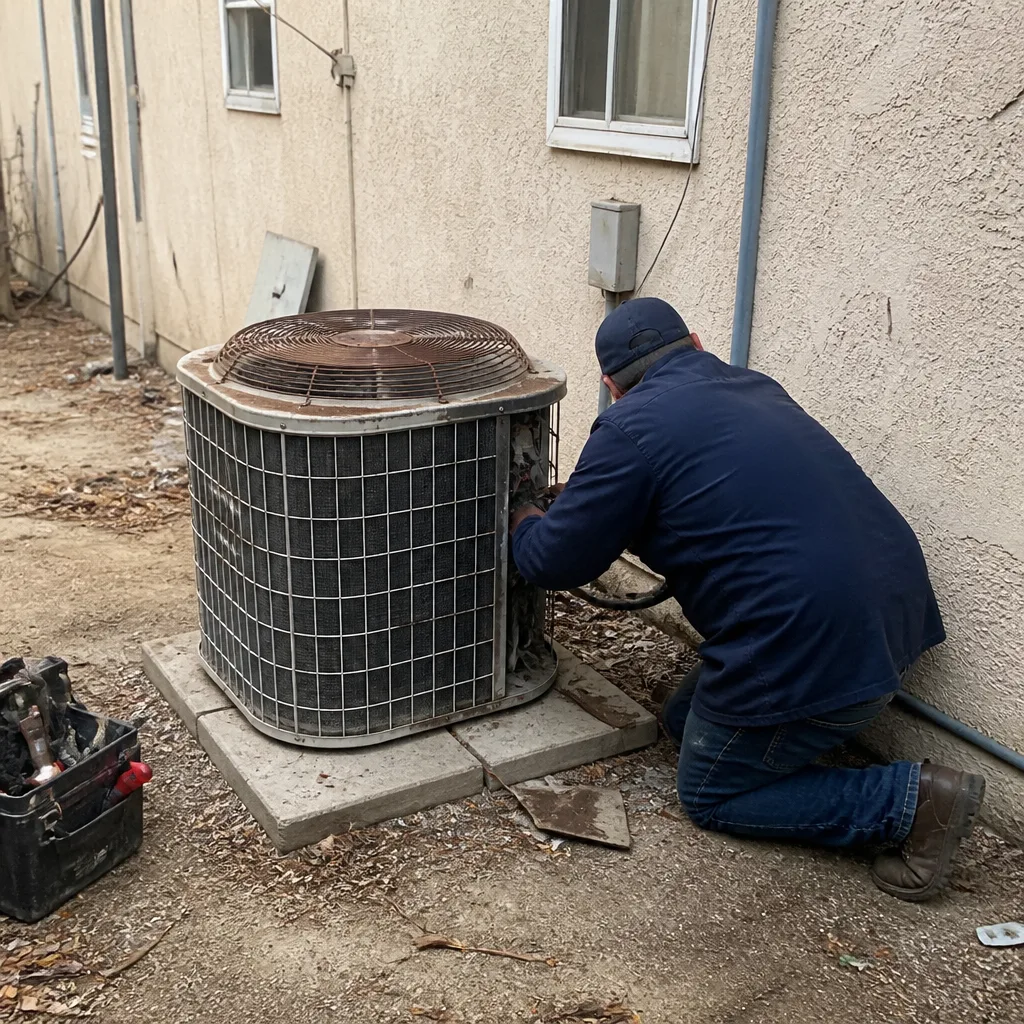 Before
 After
 Before
 After
 Before
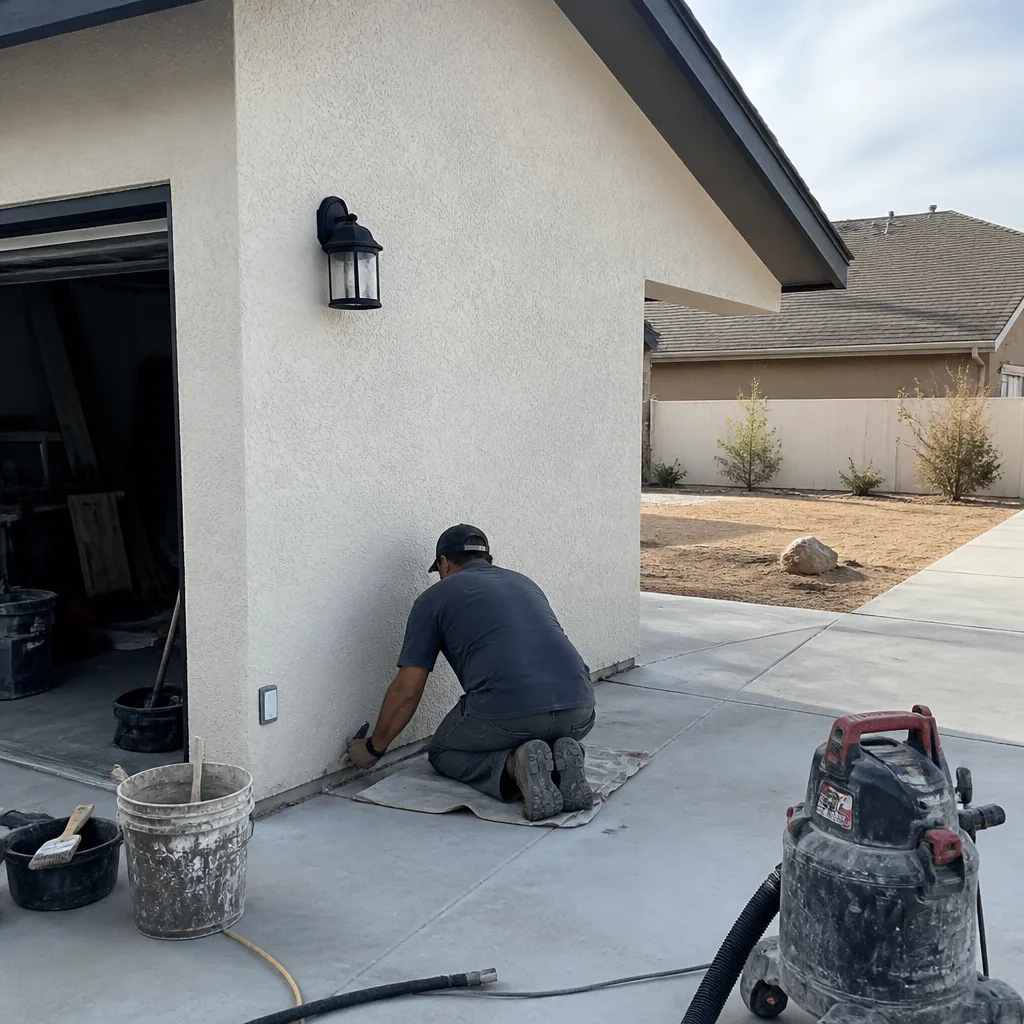 After