Last updated October 30, 2026
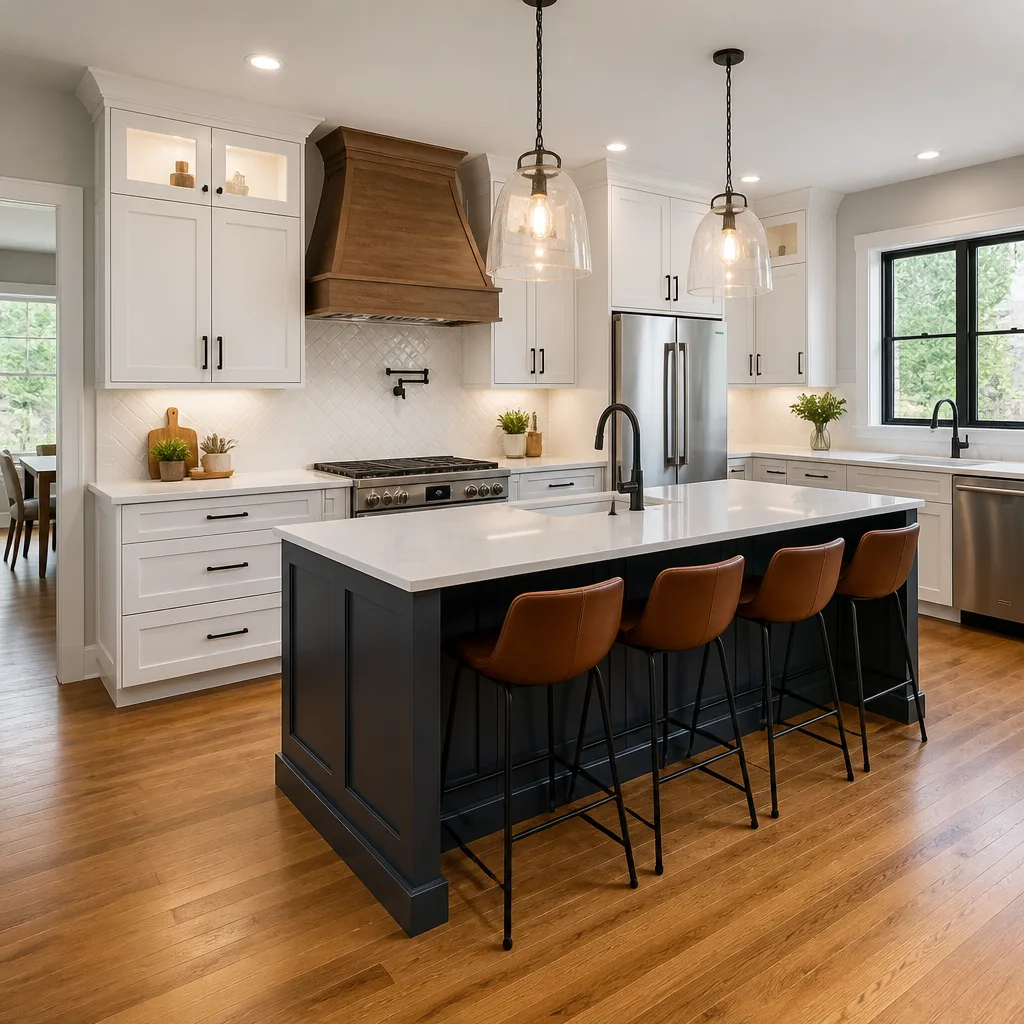 Kitchen remodeling
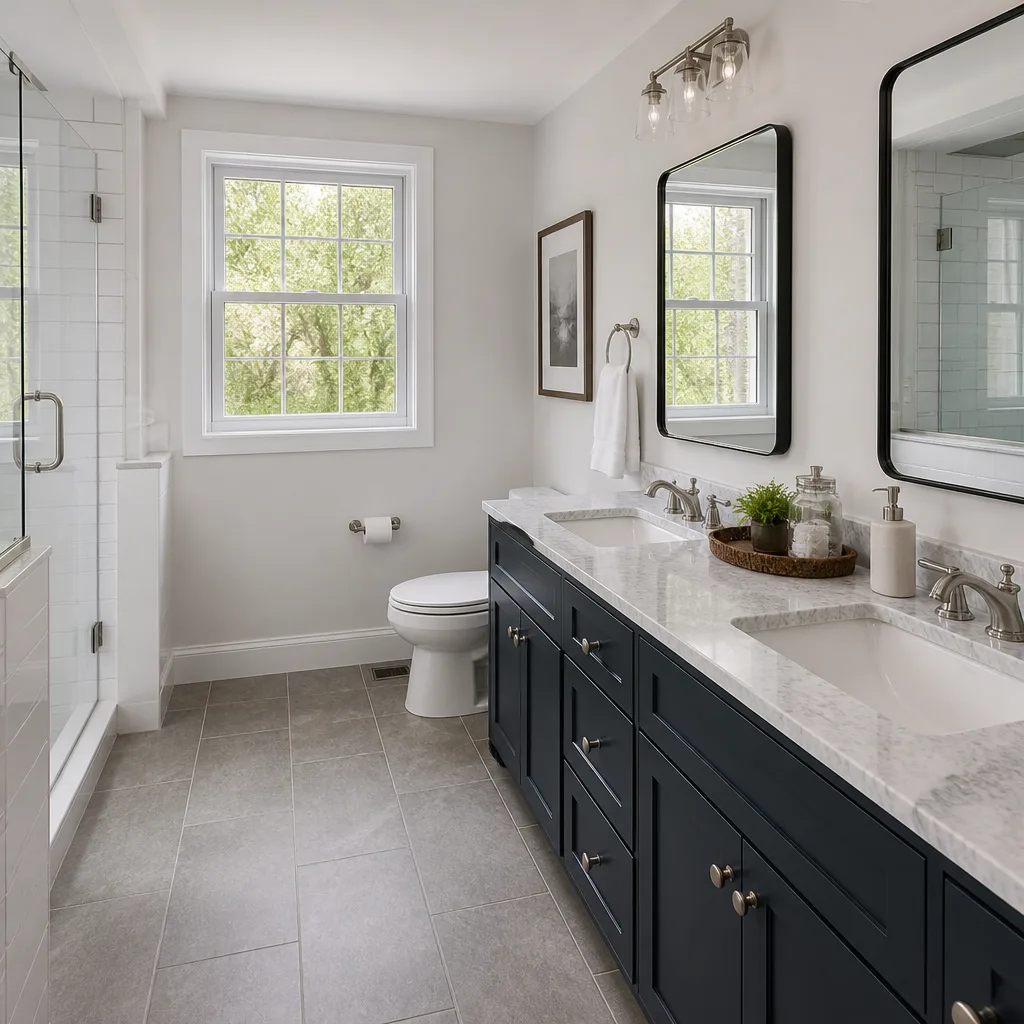 Bathroom remodeling
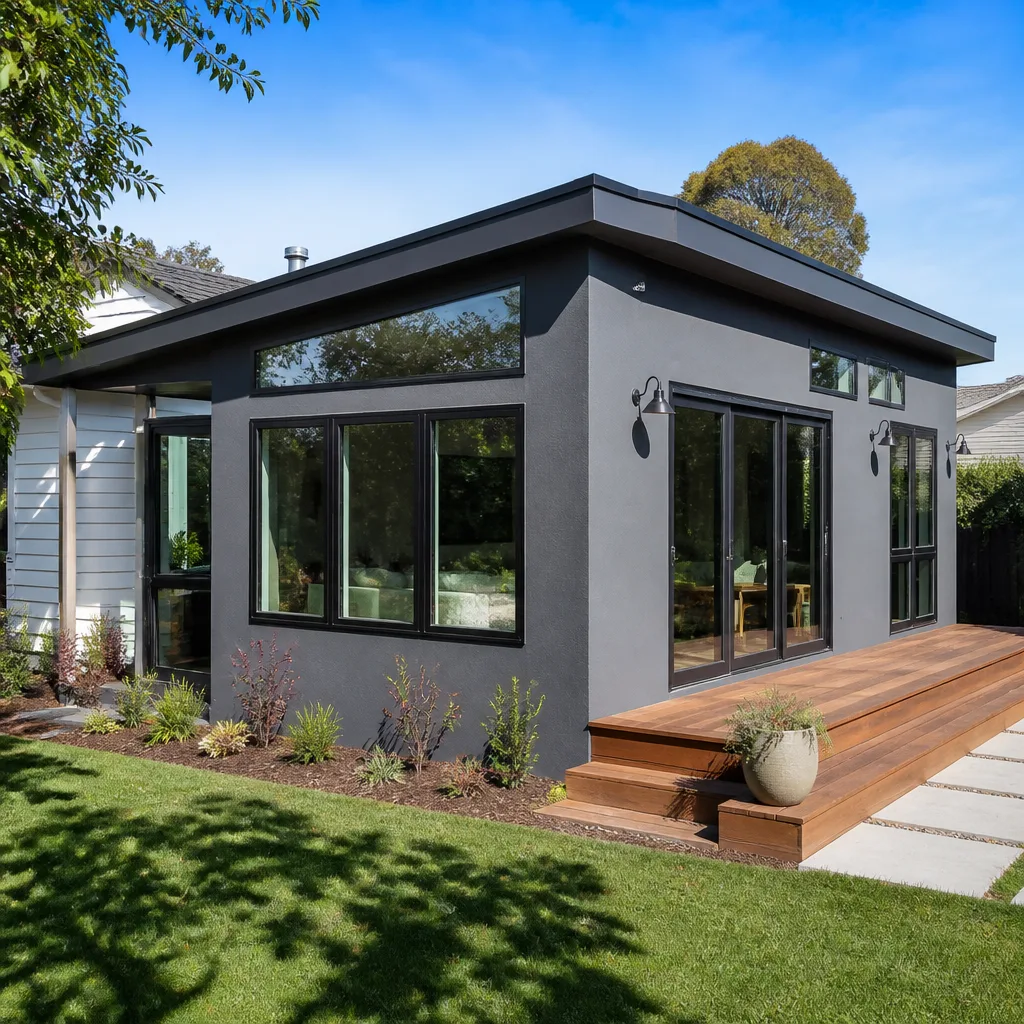 Home additions & ADU
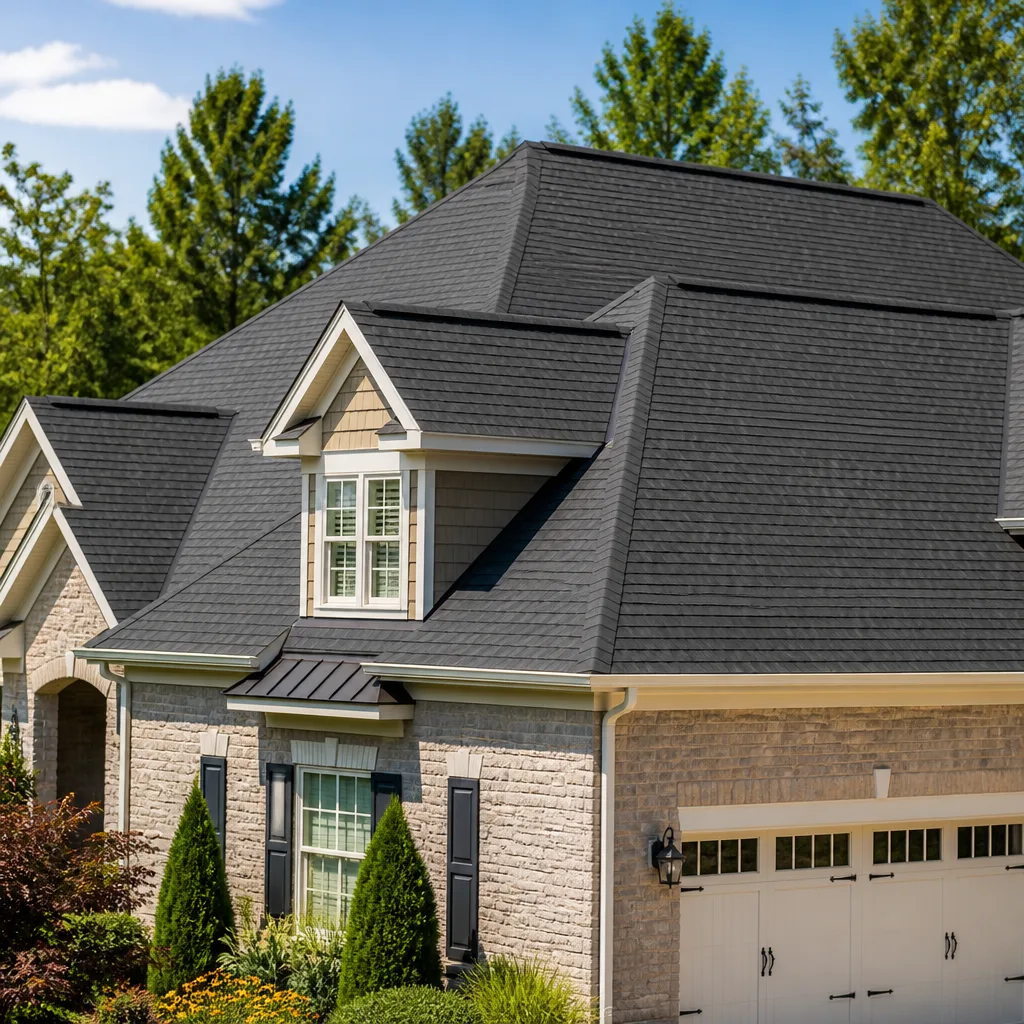 Roofing
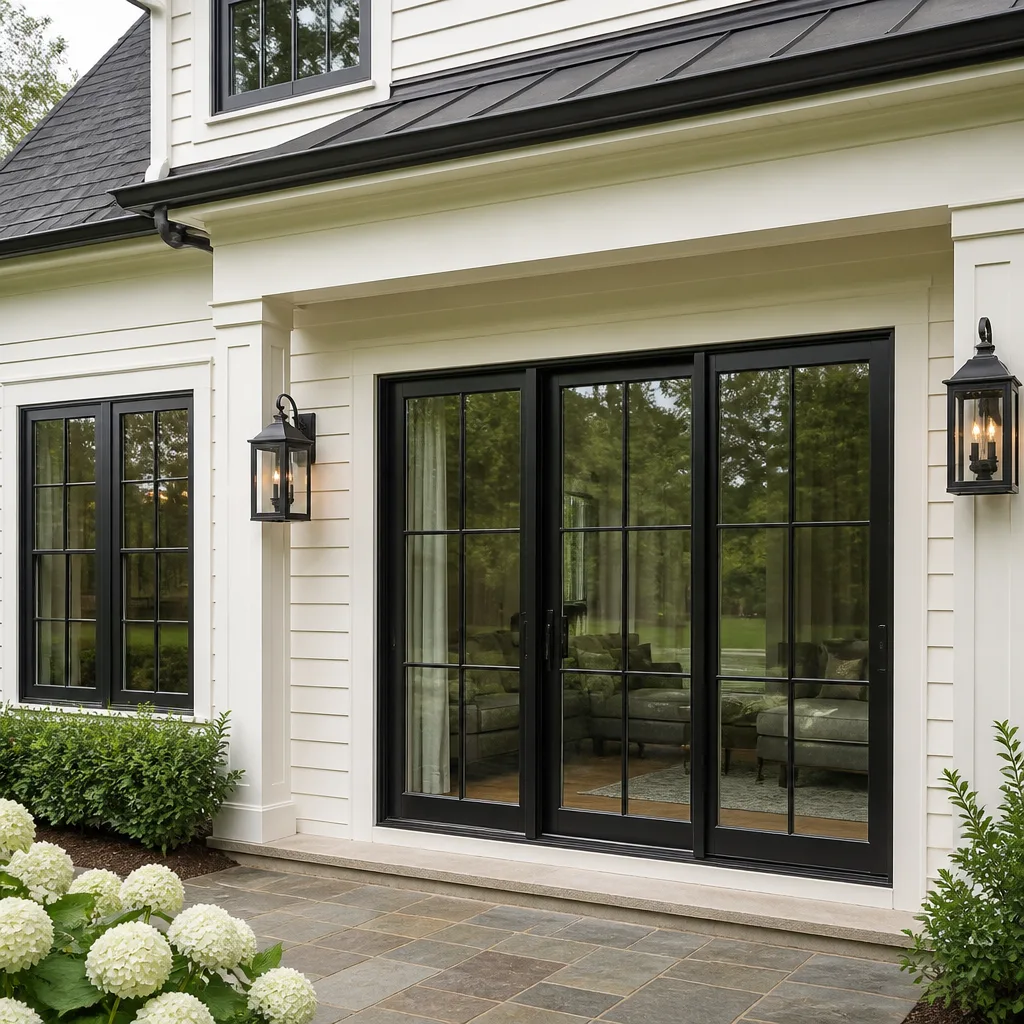 Windows & doors
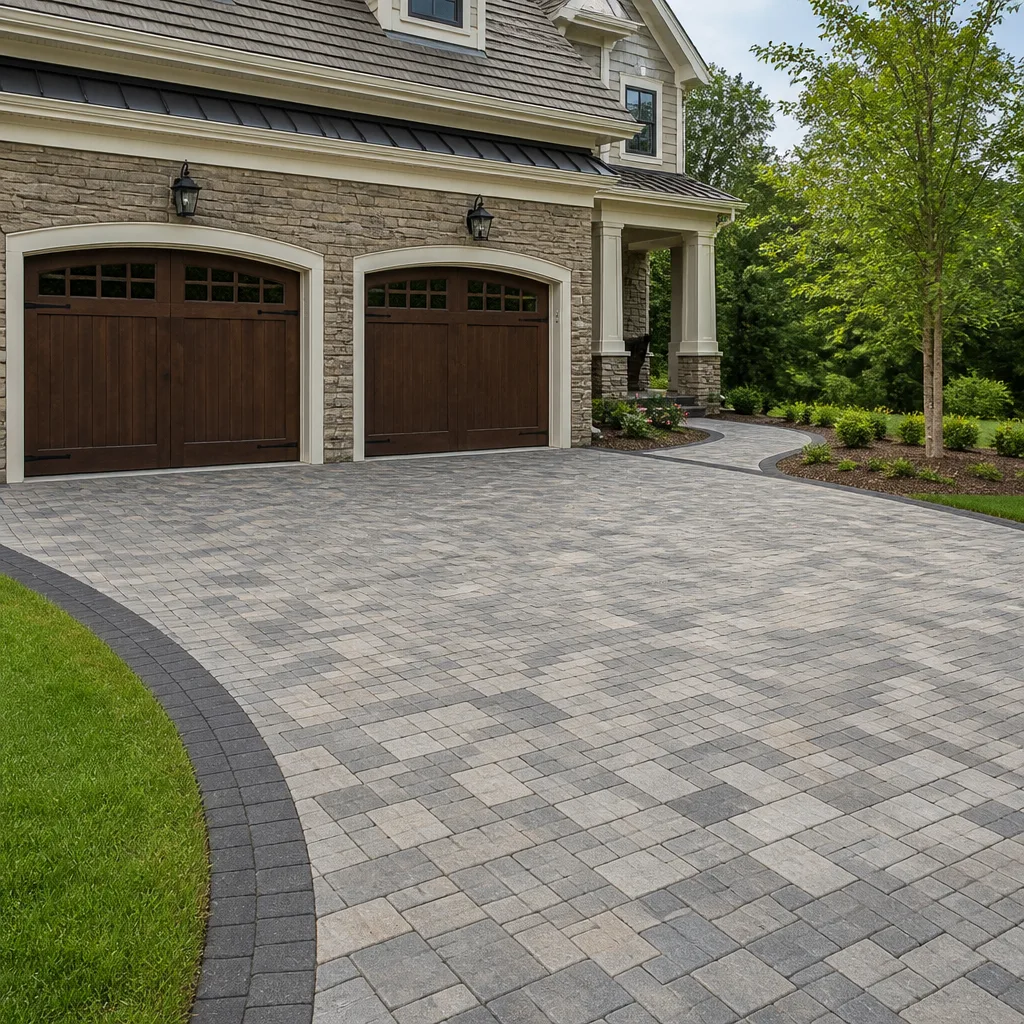 Driveway & pavers
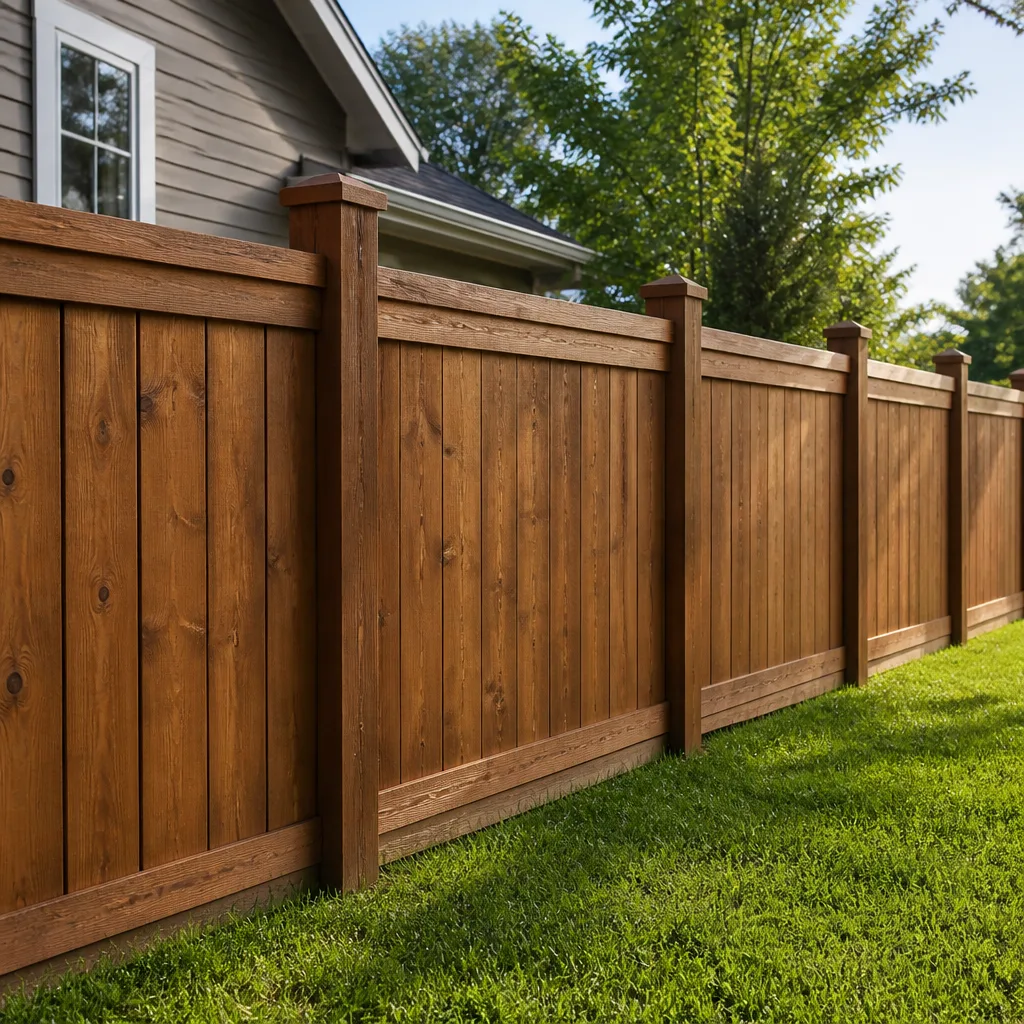 Fence
Free written scope consultation - allowances, timeline, and change-order rules on paper before a single trade is scheduled
Choosing the Right Construction Brand: A Buyer’s Guide for Hesperia
Owens Corning makes shingles designed for Gulf Coast humidity and shingles designed for high-wind, high-UV western markets, and they don’t look meaningfully different on a bid sheet unless you know to look for the wind rating and IR-reflective granule specification. Most Hesperia homeowners shopping for a remodel start with brand names they recognize, which is a reasonable instinct. But in the High Desert, a logo is a starting point, not a finish line. This guide will teach you how to evaluate construction products at the specification level, so you can choose materials that actually hold up to Hesperia’s wind, sun, and temperature swings, not just materials that sound impressive in a showroom. For The Complete Guide to Construction in Hesperia and more resources, see our blog.
Styles & brands we work with
Quick Answer
The best construction brands for Hesperia homes are not simply the biggest names. They are the performance-tier product lines within those names, chosen for high wind ratings, high solar reflectance, and thermal cycling tolerance. A full-scope contractor with access to 50-plus product brands can source the right specification from each manufacturer, so you get recognizable materials engineered for High Desert conditions, not just the entry-level version with a familiar logo.
Table of Contents
- Why a Brand Name Alone Won’t Work in Hesperia
- What Wind Rating Actually Means for Your Roof
- Solar Reflectance Index: The Number Hesperia Homeowners Ignore
- Thermal Cycling: The Hidden Killer of Entry-Tier Products
- Entry-Tier vs. Performance-Tier: How to Spot the Difference
- Why Contractor-Tier Access Matters in Hesperia
- How to Cross-Reference Warranties Against Hesperia’s Climate
- The Full-Scope Advantage: 50-Plus Brands Under One Contract
- Common Mistakes to Avoid
- When to Call a Professional
- Frequently Asked Questions
- The Bottom Line
Why a Brand Name Alone Won’t Work in Hesperia
Hesperia sits at roughly 3,200 feet of elevation in the Mojave Desert, which means two things: intense UV exposure and temperature swings that can exceed 40 degrees between day and night. A product that performs beautifully in coastal San Diego might fail prematurely here. That is why manufacturers build multiple tiers within the same brand family, and why the tier matters more than the logo.
We have seen homeowners in Hesperia request a specific brand by name, only to discover that the entry-level product from that manufacturer carries a 60 mph wind rating while the performance line from the same company carries a 130 mph rating. Both products bear the same manufacturer’s name. One is appropriate for the High Desert. The other is a repair waiting to happen. As an General Contractor in Hesperia, we evaluate products at the specification level because we know what Hesperia’s climate demands.
- UV exposure: Hesperia receives roughly 280-plus sunny days per year. Products with low solar reflectance absorb heat and degrade faster.
- Wind zones: Parts of Hesperia fall into wind zones that require products rated for sustained gusts well above the regional average.
- Thermal stress: Daily temperature swings stress seams, seams in roofing membranes, siding joints, and paver substrates.
The right question is not “Which brand is best?” The right question is “Which product line within that brand is rated for Hesperia’s conditions?”
What Wind Rating Actually Means for Your Roof
Wind rating is expressed in miles per hour and reflects the maximum wind speed a product can withstand in laboratory testing. In Hesperia, wind events are real. The Cajon Pass funnels winds into the High Desert, and certain areas of Hesperia experience gusts strong enough to lift improperly rated shingles or roofing panels.
When you see a shingle rated for 110 mph versus one rated for 130 mph, the difference is not marketing. It is the result of different adhesive formulations, different nail strip designs, and different reinforcement layers. The 130-mph shingle costs more, but it is engineered to stay put when a High Desert windstorm pushes through.
- Check the wind rating on the spec sheet, not the marketing page. Look for the specific product name and the test standard referenced (ASTM D3161 or similar).
- Know Hesperia’s wind zone. The city’s building department enforces wind load requirements based on the California Building Code. Ask your contractor which zone applies to your specific property.
- Match the entire roofing assembly. A high-wind shingle installed with undersized nails or the wrong underlayment can still fail. The spec applies to the system, not just the top layer.
- Ask about the installation method. Many manufacturers offer enhanced wind warranties only when the shingle is installed with their full system, including specific underlayments and starter strips.
GAF, CertainTeed, and Owens Corning all build high-wind lines that meet or exceed Hesperia’s code requirements. The key is confirming that the line specified in your bid is the high-wind version, not the standard version. If your bid just says “GAF shingles” with no product name, ask for the specific series.
Solar Reflectance Index: The Number Hesperia Homeowners Ignore
Solar Reflectance Index, or SRI, measures how well a material reflects solar heat. It runs from 0 to 100 and has a direct relationship with cooling costs and material longevity in Hesperia’s sun-drenched climate. A roof with a low SRI absorbs heat, which expands the roofing material, accelerates UV degradation, and pushes heat into the attic.
Manufacturers now include IR-reflective granules in performance-tier shingles specifically for markets like the High Desert. These granules reflect infrared radiation while still offering the color and texture homeowners want. An Owens Corning Duration Cool shingle and a standard Owens Corning Duration shingle look similar from the street, but the Cool series carries a significantly higher SRI. In Hesperia, that difference translates to lower cooling loads and a longer service life.
- SRI of 29 or higher: Eligible for cool roof considerations in many California programs and suitable for Hesperia’s climate.
- SRI below 15: Absorbs too much heat for the High Desert. Avoid for roofing surfaces in Hesperia unless the attic assembly is engineered to compensate.
- Color matters: Lighter colors naturally reflect more. But performance lines use reflective granules to achieve higher SRI even in darker colorways, which many Hesperia homeowners prefer for curb appeal.
Siding products have an SRI factor too, though the industry tends to emphasize it more for roofing. James Hardie siding in lighter colors carries heat-management advantages, but the real variable is the color and finish combination. Lighter Hardie colors reflect more heat, while darker colors absorb it. In Hesperia, we lean toward mid-to-light color palettes with factory-baked finishes that resist UV fading.
Thermal Cycling: The Hidden Killer of Entry-Tier Products
Hesperia’s temperature swings are brutal on construction materials. A product that expands and contracts daily eventually develops micro-cracks, which become full cracks, which become failures. That is thermal cycling. Coatings, sealants, roofing membranes, and pavers all live or die by their thermal cycling tolerance.
High-performance products are tested through thousands of thermal cycles in laboratory conditions. Entry-tier products are tested through fewer. The difference shows up years later, which is exactly the wrong time to discover it.
- Roofing membranes: High-performance underlayments and synthetic underlayments flex without cracking. Cheap felt underlayments dry out and tear.
- Siding: Fiber cement from James Hardie is engineered for dimensional stability. Vinyl siding from entry-tier lines can warp or buckle under High Desert sun.
- Pavers: Belgard and Unilock pavers are manufactured with higher compressive strength and lower water absorption than budget pavers. In Hesperia, where freeze-thaw cycles occasionally occur on winter nights, low water absorption prevents cracking.
- Caulks and sealants: Exterior sealants must accommodate movement. A 25 percent movement joint rating is the minimum we specify for Hesperia exterior applications.
Thermal cycling tolerance is not a number most homeowners should memorize. What matters is asking your contractor whether the products in your bid are rated for high thermal cycling. If the answer is a blank stare, that is a signal.
Entry-Tier vs. Performance-Tier: How to Spot the Difference
Every major manufacturer builds a range of products from entry to premium. The brand name is the same. The specification sheet is not. Here is how to tell the difference without a materials science degree.
Start with the product’s position in the manufacturer’s lineup. Look at the series name. Within GAF, the Timberline line is the performance standard, while the Royal Sovereign line is the entry option. Within CertainTeed, Landmark is the workhorse performance shingle. Within Owens Corning, Duration sits above the standard Oakridge line. The series name matters more than the manufacturer name.
For siding, the difference is often in the substrate and finish. James Hardie’s HZ5 and HZ10 lines are engineered for specific climate zones. The HZ10 product is designed for harsher climates with greater dimensional stability and paint performance. In Hesperia, HZ10 is the appropriate specification for most homes. An entry-tier fiber cement product or a generic vinyl product will cost less upfront and cost more over time.
Here is a side-by-side comparison of what you should look for in Hesperia:
- Roofing: Look for Class 4 impact resistance, high wind ratings, and IR-reflective granules. Entry-tier shingles often carry Class 1 or Class 2 impact ratings and standard granules.
- Siding: Look for climate-specific engineering, factory-baked finish, and a manufacturer’s warranty that covers fading. Entry-tier siding carries shorter finish warranties and less dimensional stability.
- Windows: Look for Low-E glass coatings, argon gas fills, and frames rated for high UV exposure. PGT windows, designed for coastal and high-wind environments, also perform well in Hesperia’s sun and wind conditions.
- Pavers: Look for high compressive strength (8,000 psi or higher) and low water absorption (under 5 percent). Belgard, Unilock, and Tremron all manufacture performance lines, but their budget lines are not equivalent.
The easiest way to spot an entry-tier product is to look for a suspiciously low line item. If the number is significantly below the other bids, the products specified are likely the least expensive tier available. In Hesperia, the least expensive tier is almost never the right one.
Why Contractor-Tier Access Matters in Hesperia
There is a real difference between what homeowners can buy at a retail home center and what a contractor can source through professional distribution. The products are not the same, even when the brand name is identical.
manufacturers produce contractor-tier lines that never reach retail shelves. Why? Because professional contractors are expected to understand installation specifications, and because the manufacturer’s warranty often requires professional installation. A retail product carries a shorter warranty and is built to a lower specification because the manufacturer has no control over who installs it or how.
In Hesperia, this matters in three specific ways:
- Roofing materials: Owens Corning distributes some Duration series products primarily through contractor channels. GAF and CertainTeed do the same with their performance lines. A homeowner cannot always buy the same product a contractor specifies.
- Siding and trim: James Hardie sells through both retail and professional channels, but the professional channel provides access to the full line of HZ10 products, including the accessory and trim systems that make a siding installation durable.
- Windows and doors: Therma-Tru and PGT products are sold primarily through professional distribution. The doors you see at a big-box store are not the same doors installed on a custom Hesperia home, and the warranty difference is substantial.
When a contractor tells you they are “certified” by a manufacturer, that means something. GAF-certified contractors can offer enhanced warranties that retail buyers cannot access. CertainTeed has a similar program. This is not sales language. It is a different tier of product support.
How to Cross-Reference Warranties Against Hesperia’s Climate
Warranties are full of fine print, and most of it is not written with the High Desert in mind. A 50-year warranty from a manufacturer may turn into a 10-year prorated warranty under certain conditions, especially if the product is exposed to extended UV radiation.
Here is how to read a warranty for Hesperia specifically:
- UV exposure clauses: Look for language about “excessive” or “extended” UV exposure. Hesperia qualifies. Confirm the warranty covers fade resistance for the product’s stated term.
- Wind warranty vs. wind rating: A product may carry a wind rating of 130 mph but only warrant against blow-off at 80 mph unless installed with the full system. Read the installation requirements.
- Thermal movement exclusions: Some warranties exclude damage caused by “normal” expansion and contraction. In Hesperia, normal is extreme. Confirm the warranty covers thermal cycling.
- Proration schedule: Many roofing warranties are heavily prorated after year 10. The useful life of a roof in Hesperia may be shorter than the warranty’s headline number suggests.
- Labor coverage: Most manufacturer warranties cover materials only. The labor to tear off and replace a failed product is on you unless your contractor offers a workmanship warranty or the manufacturer’s enhanced program includes labor.
The most practical advice we can give Hesperia homeowners is this: ask your contractor to show you the full warranty document for the exact product specified in your bid, not a one-page summary. Read the exclusions. If the contractor cannot produce the document, that is a flag.
The Full-Scope Advantage: 50-Plus Brands Under One Contract
Most homeowners never think about the relationship between material selection and contractor structure. But when you hire separate trade contractors for roofing, siding, hardscaping, and interior work, you are also hiring separate material sources. Each contractor specifies what they know. Each one buys from their own suppliers. The result is a patchwork of products that may or may not coordinate, and you are the one coordinating the timelines.
A full-scope contractor with 50-plus brand relationships changes that math. From the roofline to the back patio, one contractor specifies every product, coordinates every delivery, and stands behind the full installation. That is not a convenience. It is a structural advantage.
In our experience in Hesperia, the homes that perform best over time are the ones where every product was selected as part of a single system. A GAF roof over James Hardie siding with PGT windows and Belgard pavers is a cohesive assembly. Each product was chosen for Hesperia’s climate, and each installation was completed by one accountable team under one contract.
We also bring capabilities most local remodelers do not. Through partnerships with Abodu, Dvele, Mighty Buildings, Boxabl, and Plant Prefab, we can expand what your Hesperia property can do. An ADU is not a shed in the backyard. It is a prefabricated, factory-built structure that meets California building code and adds real living space. Hesperia’s zoning allows ADUs on many residential lots, and the High Desert’s growing demand for multi-generational housing makes this one of the smartest investments a homeowner can make.
The brand portfolio matters because it gives you real choice. Kohler or Moen fixtures. Cambria or Silestone countertops. KraftMaid or Wellborn cabinets. You are not limited to whatever the contractor happened to have in the warehouse. You choose the materials you recognize, and we handle the installation.
Common Mistakes to Avoid
- Specifying a brand without a product line. “I want CertainTeed” is not a specification. “I want CertainTeed Landmark Pro” is. The difference is the difference between a performance product and an entry-tier compromise.
- Ignoring the UV factor. Hesperia gets relentless sun. Choosing a dark roof with a low SRI because it looks good today means higher cooling costs and faster degradation for the next two decades.
- Buying retail and expecting contractor-tier performance. Products sold at home centers are not always the same products installed by a certified contractor, even when the boxes look similar.
- Focusing on the warranty headline number. A “lifetime” warranty with aggressive proration and climate exclusions is worth less than a 30-year warranty with clear terms and labor coverage.
- Treating the roof as separate from the rest of the home. The roof, siding, windows, and pavers all respond to the same climate. A cohesive exterior system outperforms a collection of individually selected products.
- Hiring separate contractors for separate trades without a spec plan. If each contractor specifies their own materials, you end up with a patchwork. One contractor, one project, one material strategy.
When to Call a Professional
If you are planning a significant remodel or a multi-phase renovation in Hesperia, The Complete General Contractor Guide for Hesperia Homeowners is a good starting point, and product selection is the place where professional guidance pays for itself. A contractor who understands local wind zones, UV exposure, and thermal cycling can steer you to the right specification without guesswork. If you are replacing a roof, installing siding, building an ADU, or doing a full exterior transformation, do not try to piece together material specs from retail websites. The products that hold up in Hesperia are not always the ones with the best marketing page.
Hampton Contractors offers free estimates in Hesperia, and you can find more guides & resources on our blog. Call (833) 467-4075 and we will walk you through the right products for your home and climate.
Frequently Asked Questions
GAF, CertainTeed, and Owens Corning are the roofing brands we specify most often in Hesperia, but the performance tier matters more than the brand name. Look for high wind ratings and IR-reflective granules. Call (833) 467-4075 and we can show you the specific product lines that hold up in the High Desert.
Performance-tier products typically cost 15 to 30 percent more than entry-tier products from the same manufacturer, depending on the category. In Hesperia, the upgrade usually pays for itself through longer service life and lower energy costs. For a Construction Cost Breakdown: The Hesperia Homeowner’s Reference for 2026 and an exact comparison on your project, call (833) 467-4075 for a free estimate.
In most cases, no. Many performance-tier products from GAF, CertainTeed, James Hardie, and PGT are distributed exclusively through professional channels, and the manufacturer’s enhanced warranties require installation by a certified contractor. Hampton Contractors sources from 50-plus professional brand lines, so you get products that never reach retail shelves.
Yes, roofing replacements in Hesperia require a building permit through the City of Hesperia’s Building and Safety Division. Your contractor should pull the permit and schedule the required inspections. As a Home Remodeling in Hesperia contractor, we handle permits and inspections as part of every project.
The biggest mistake is selecting products based on the brand logo instead of the product specification. A brand’s entry-level line often fails prematurely in Hesperia’s UV and thermal cycling conditions, while the performance line from the same manufacturer holds up for decades. Ask for the spec sheet, not just the brand name.
Yes. We are a full-scope Home Renovation in Hesperia contractor, which means we handle roofing, siding, windows, doors, fencing, hardscaping, kitchens, bathrooms, and ADUs under one contract. You deal with one accountable team from start to finish, and every product is selected as part of a cohesive system for Hesperia’s climate.
The Bottom Line
Choosing construction brands for a Hesperia home is not about finding the most famous name. It is about finding the right product line within that name, specified for high wind, high UV, and extreme thermal cycling. The best way to do that is to work with a contractor who has access to performance-tier products and who knows which specifications Hesperia demands. With 50-plus brand relationships and full-scope capability, Hampton Contractors home makes that selection process straightforward. You choose materials you recognize. We handle the specifications, the installation, and the accountability. Call (833) 467-4075 for a free estimate and we will help you build a home that holds up in the High Desert.
Written by the team at Hampton Contractors, serving Hesperia since 2016.
See the difference
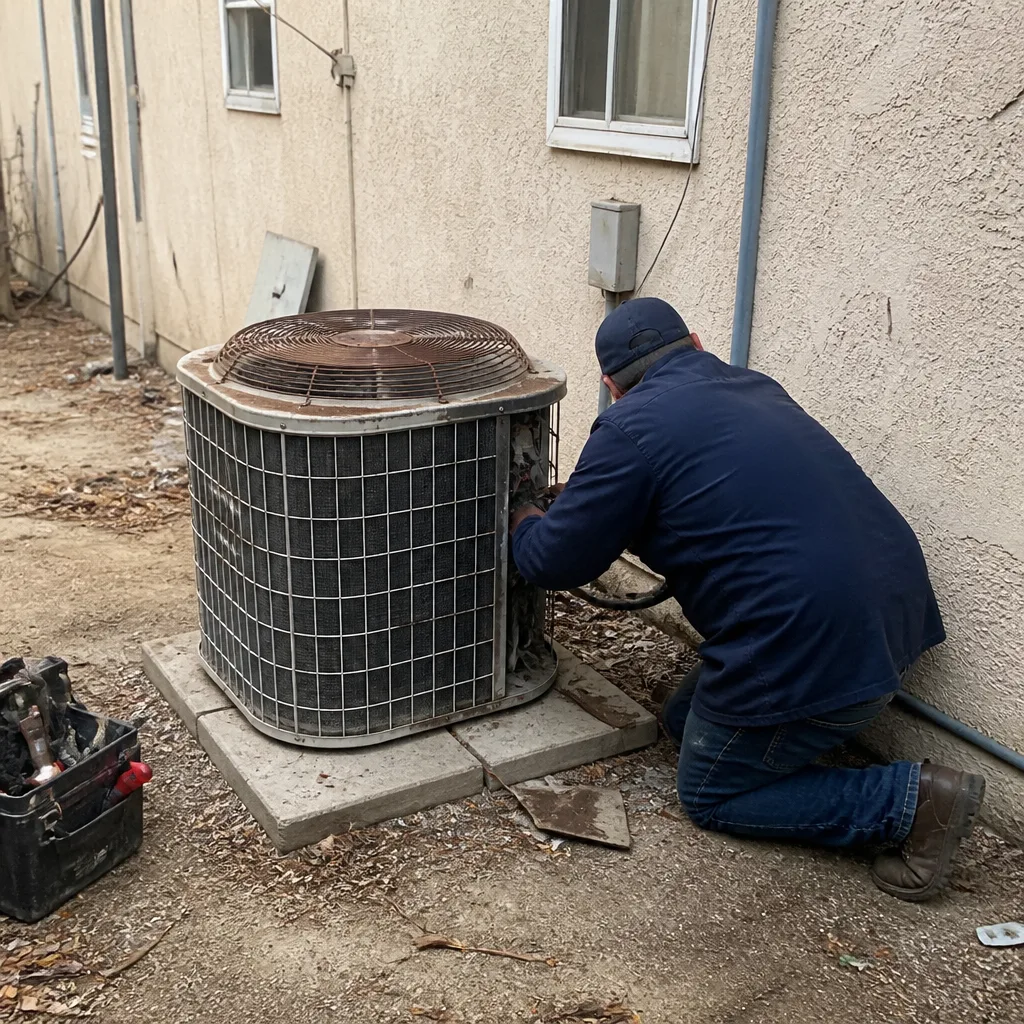 Before
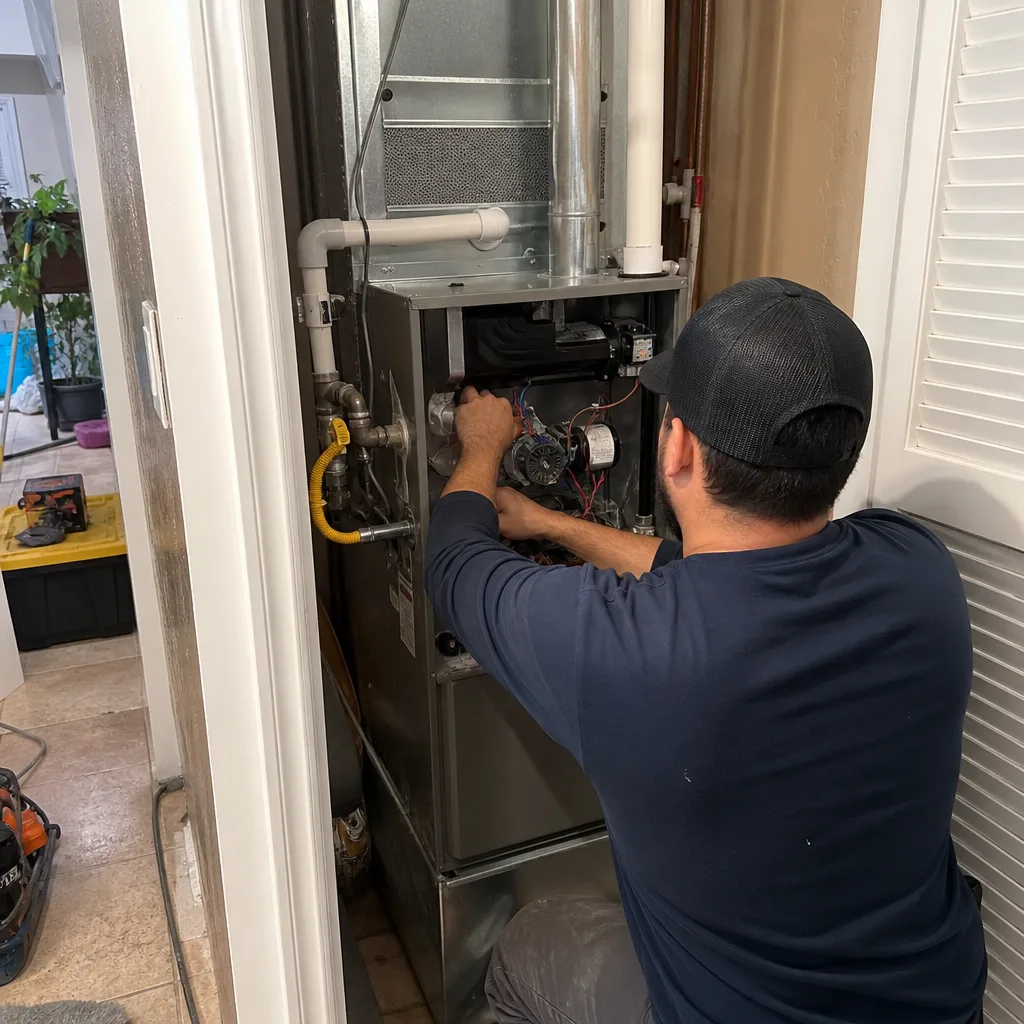 After
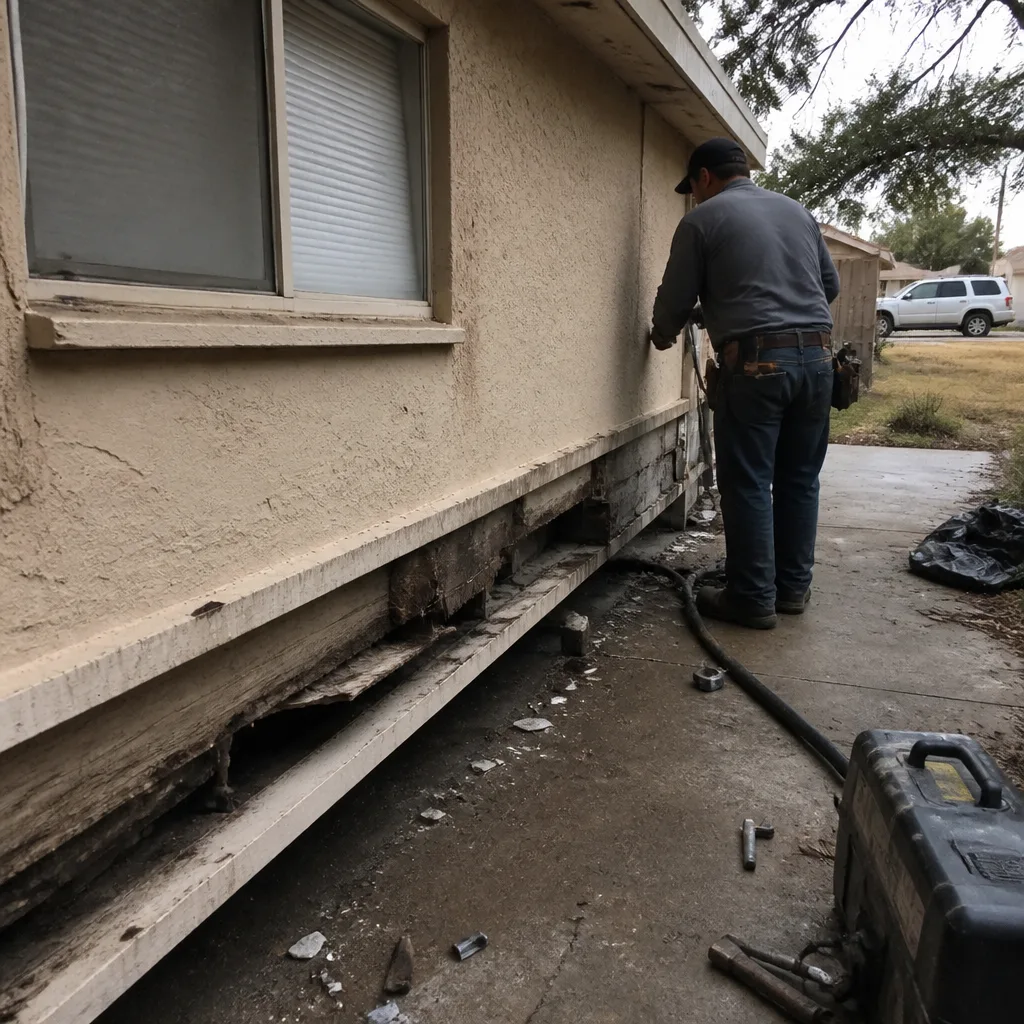 Before
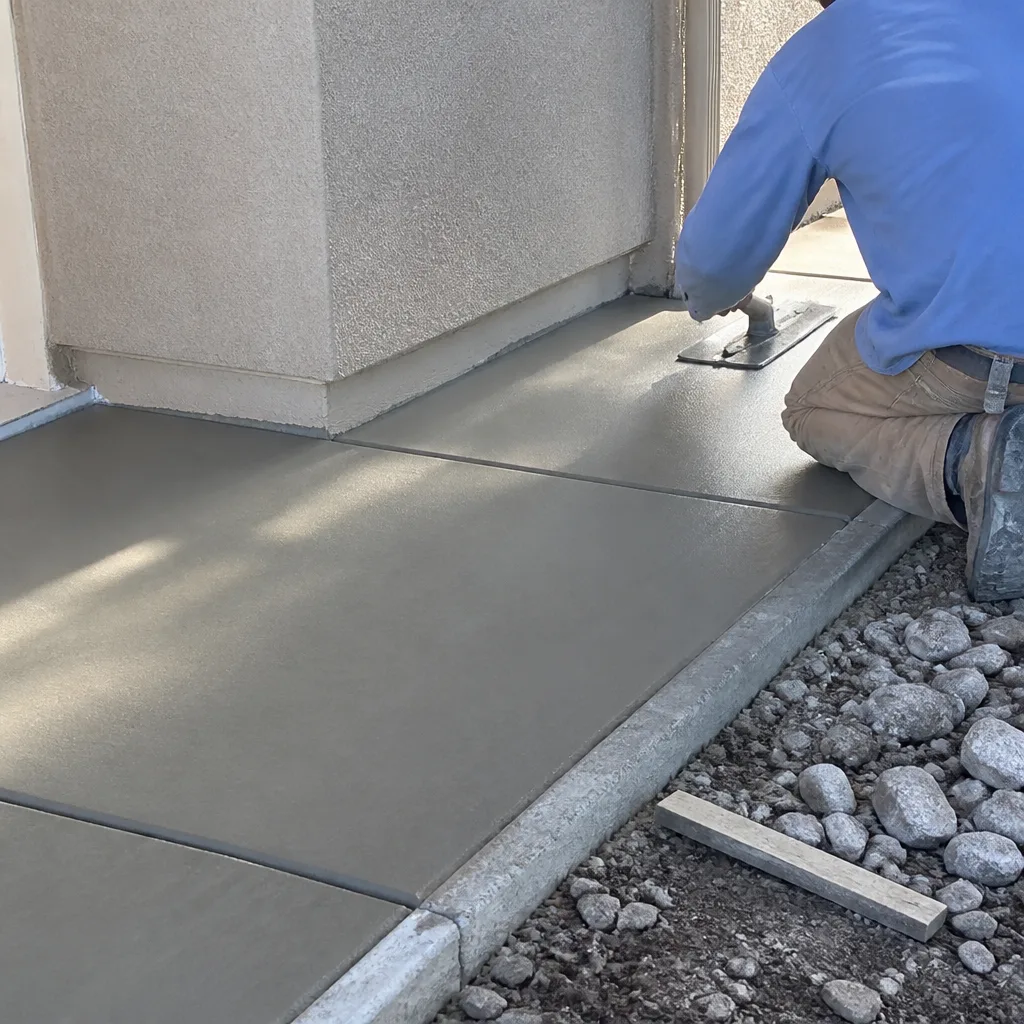 After
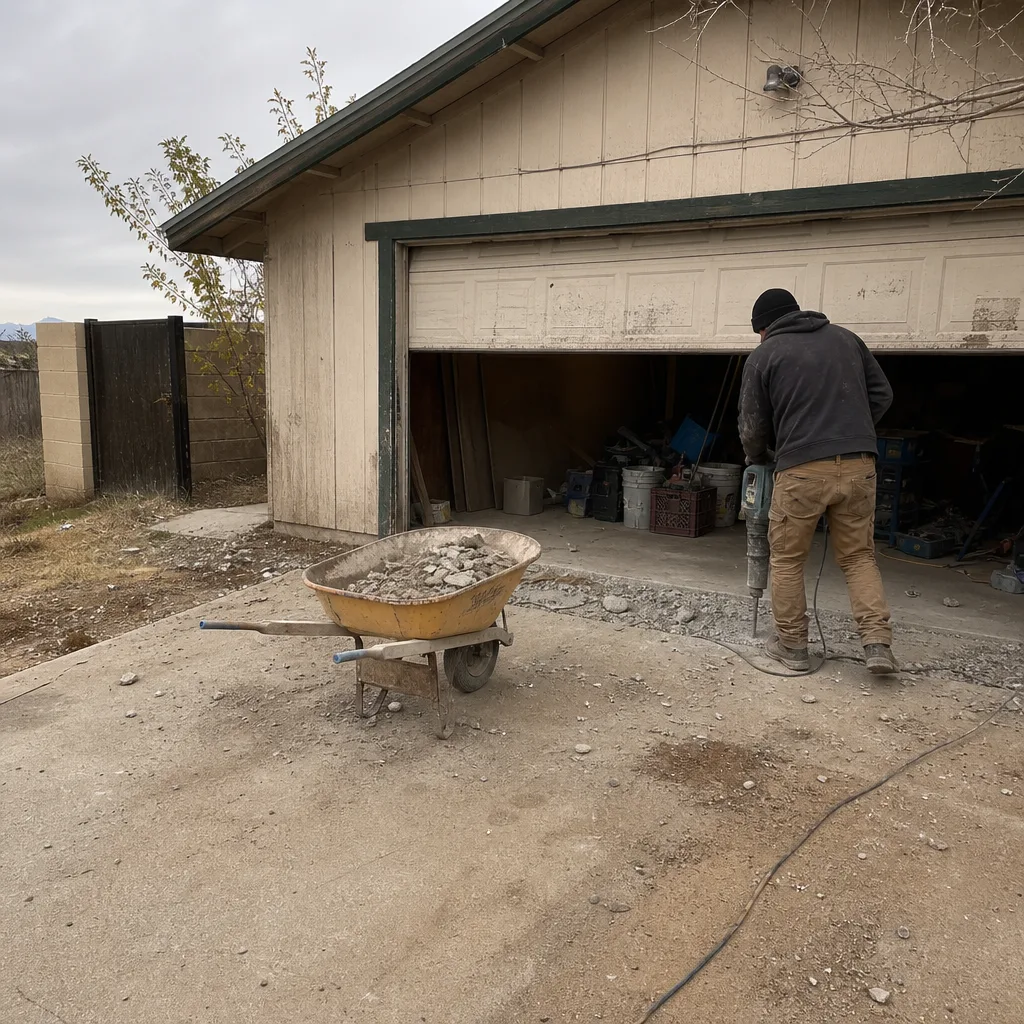 Before
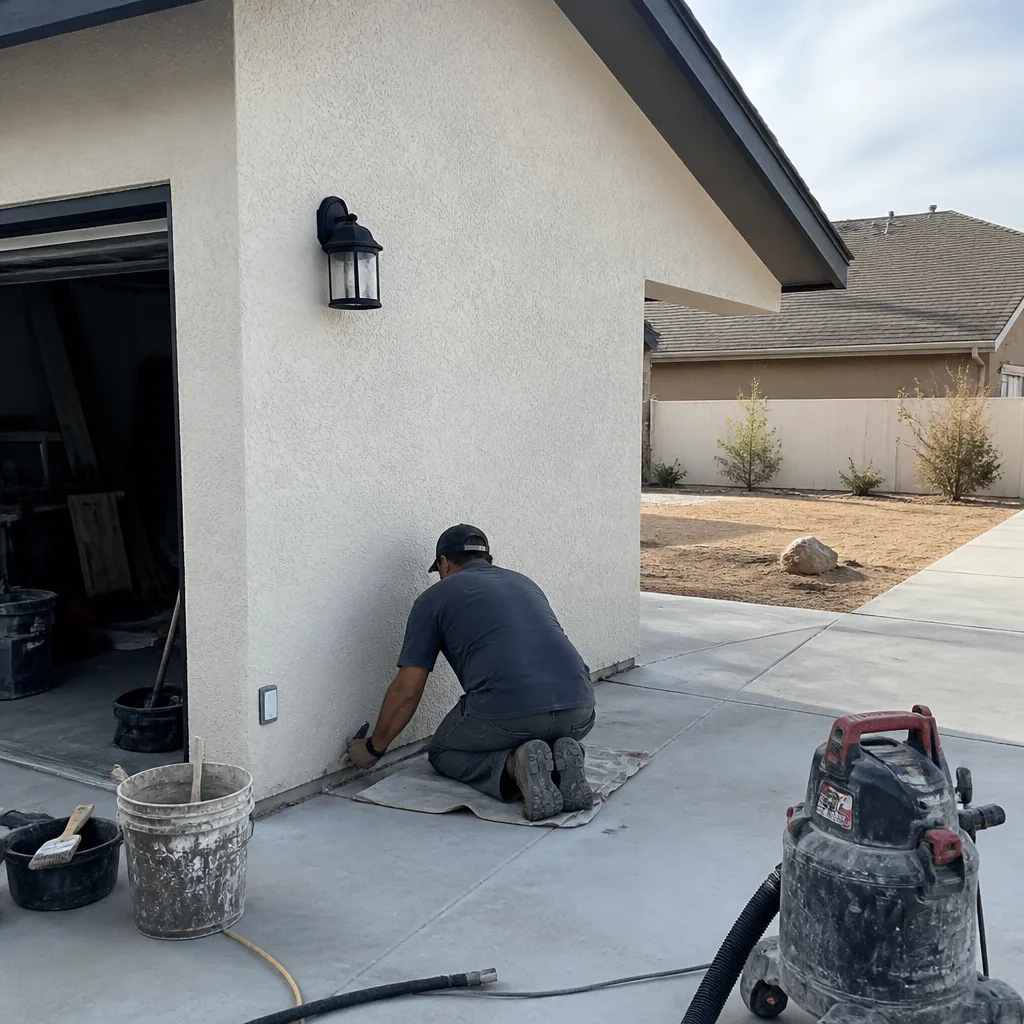 After