
Last updated October 30, 2026
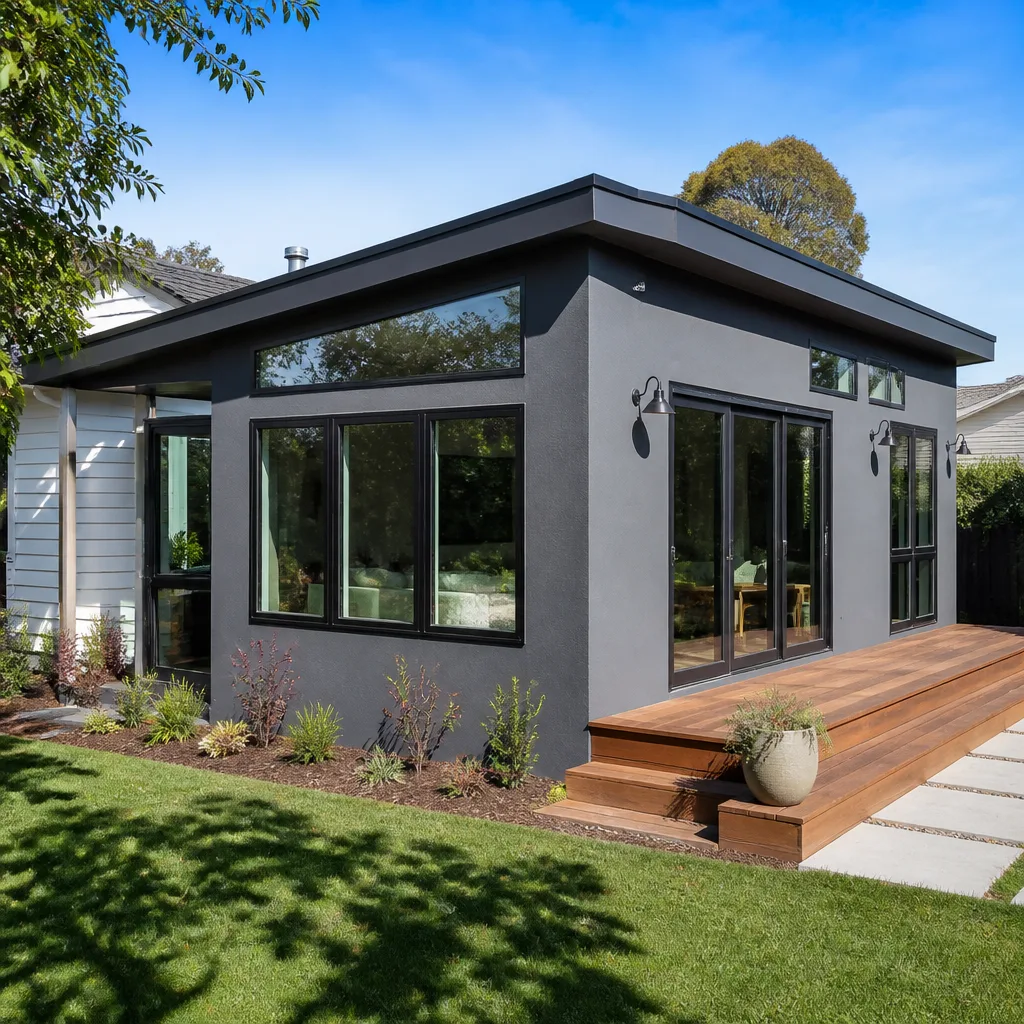 Home additions & ADU
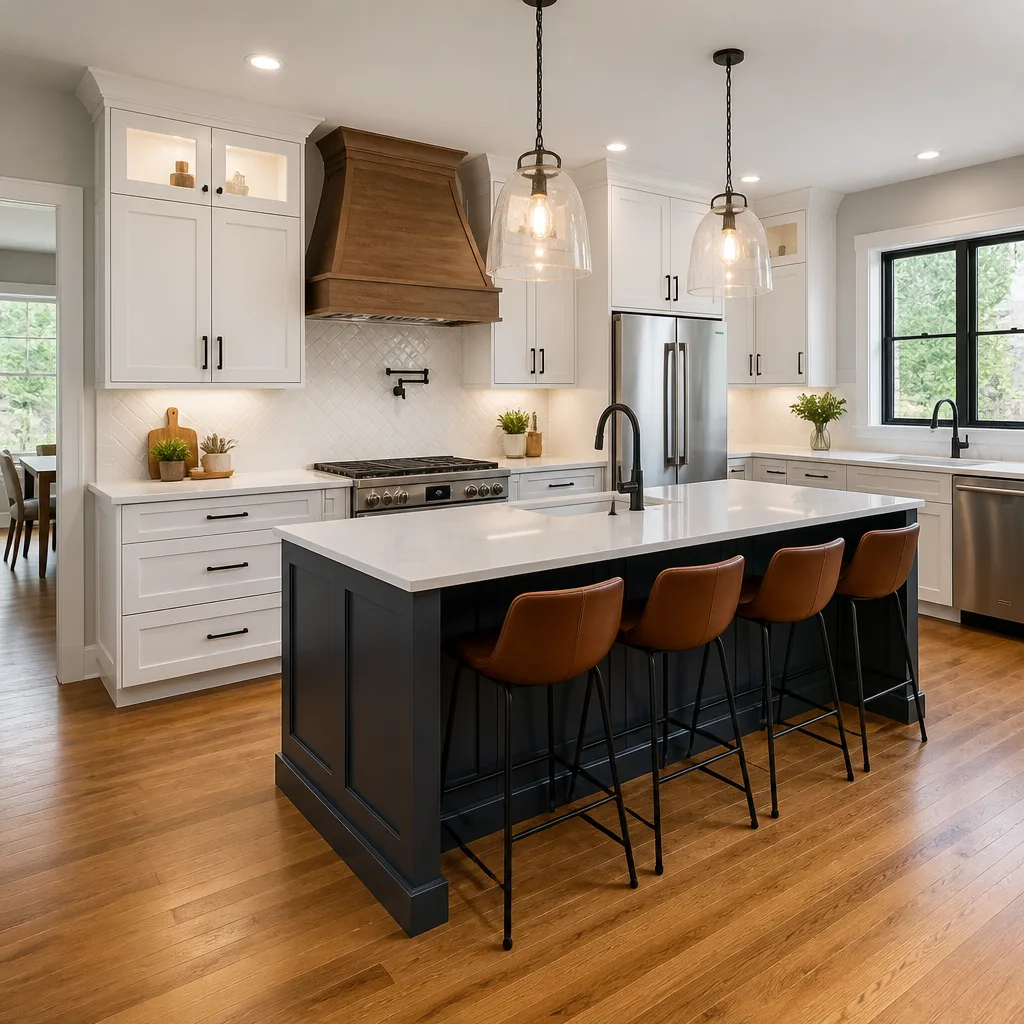 Kitchen remodeling
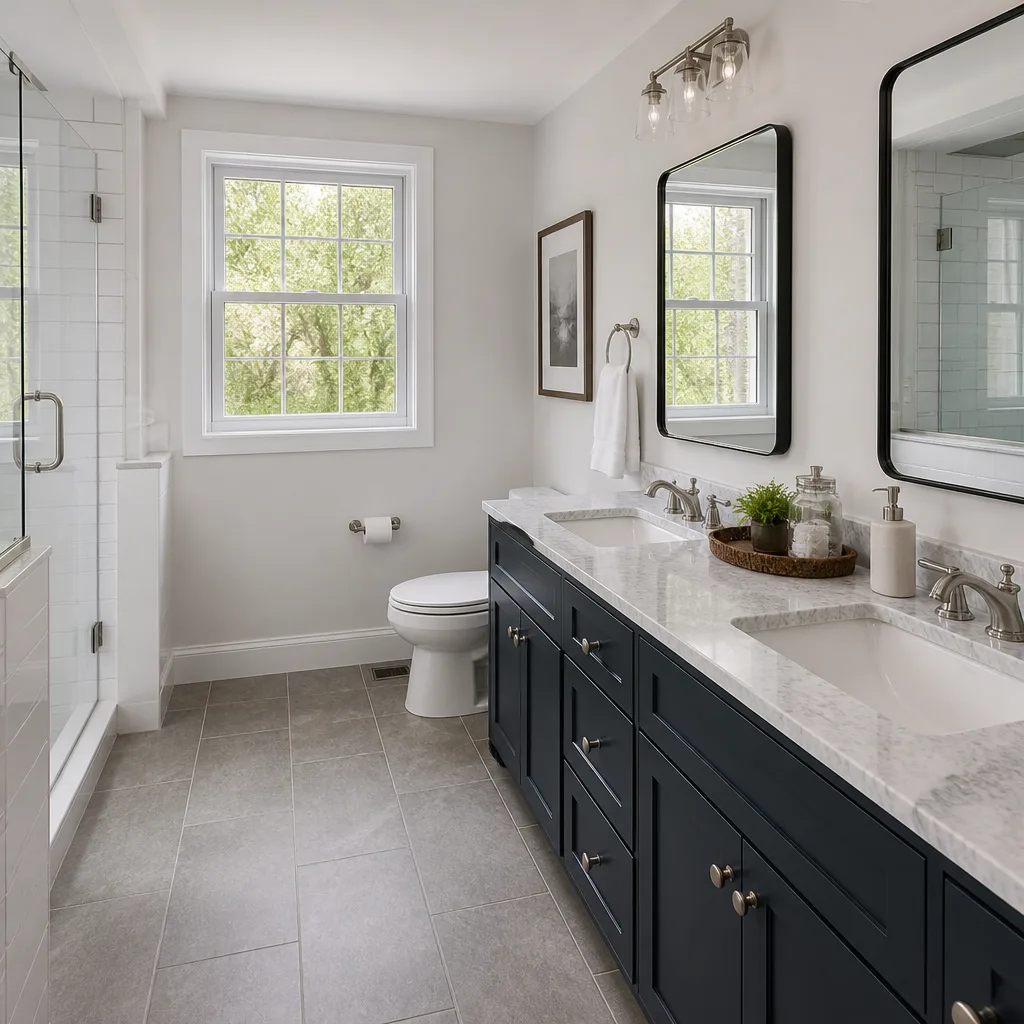 Bathroom remodeling
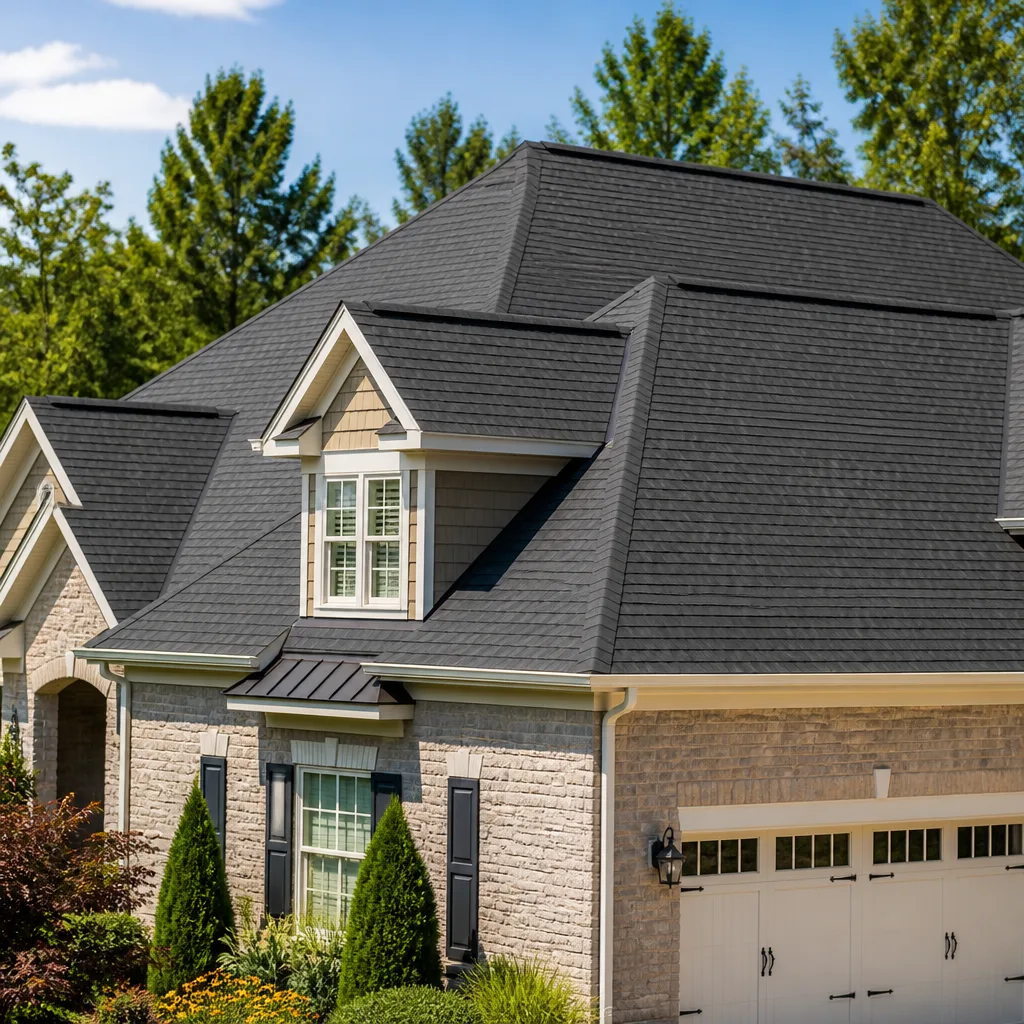 Roofing
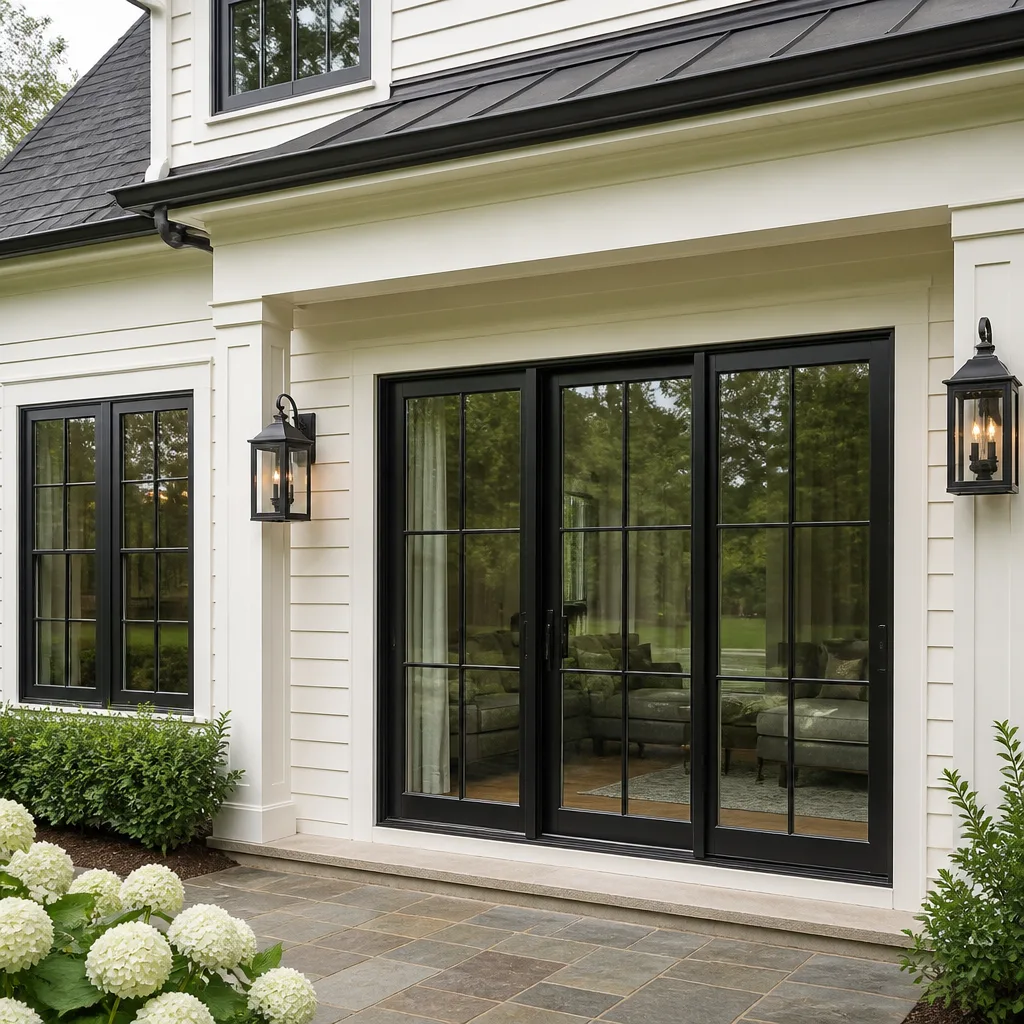 Windows & doors
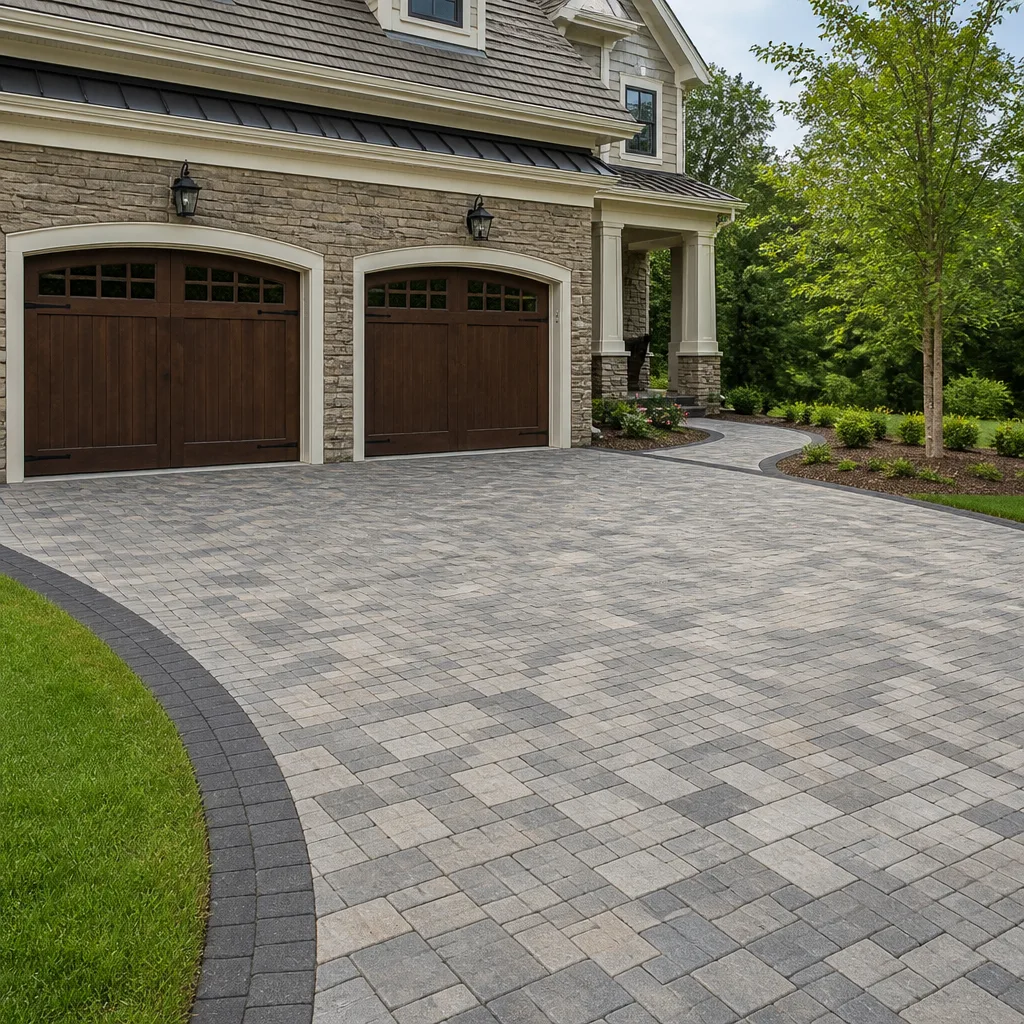 Driveway & pavers
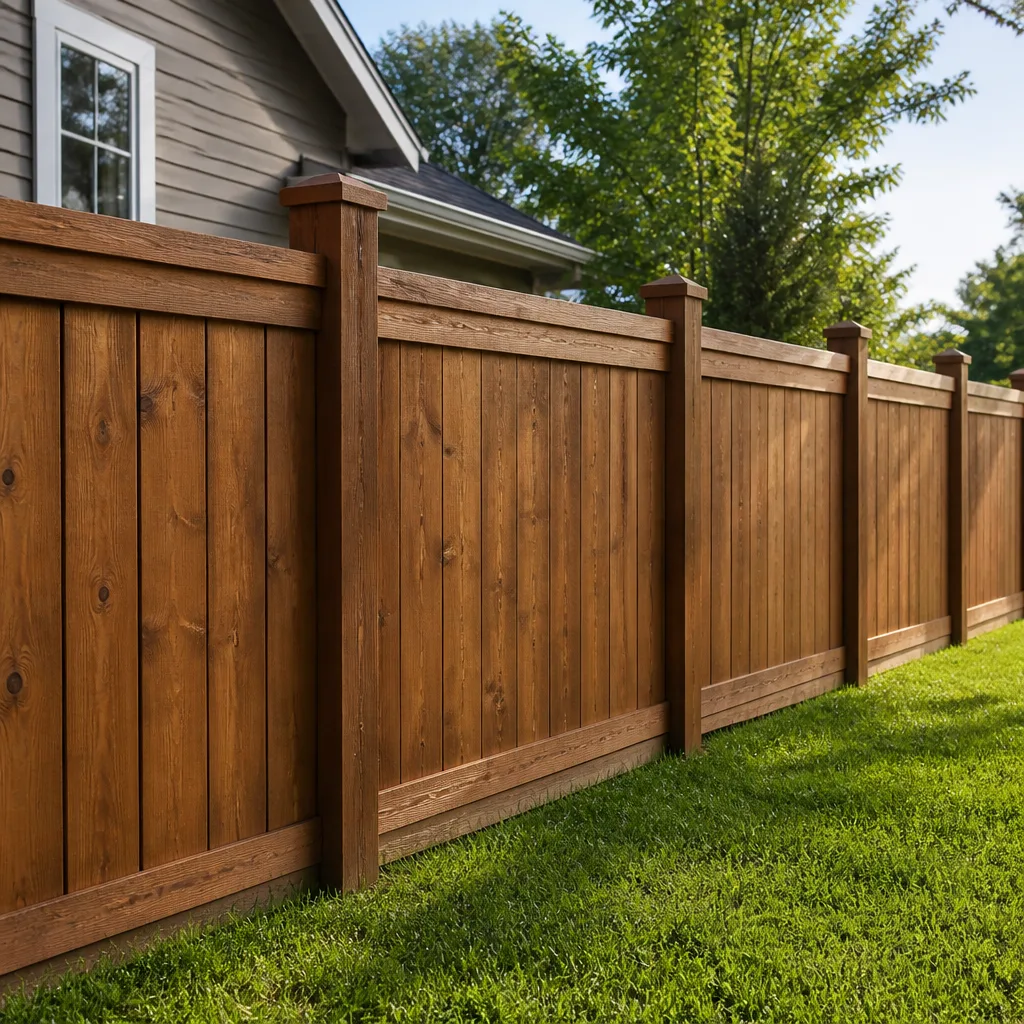 Fence
Free written scope consultation - allowances, timeline, and change-order rules on paper before a single trade is scheduled
DIY vs Professional Construction: The Hesperia Homeowner’s Decision Guide
Most Hesperia homeowners believe the DIY-versus-hire decision hinges on skill: can I physically do this? That’s the wrong question. The right question is whether the project requires a permit, involves a High Desert-specific failure mode, or touches a system where an installation error compounds into a repair that costs triple the original labor savings. A homeowner who self-installs a new roof in Hesperia to save contractor margin risks voiding the shingle warranty entirely. Most manufacturers – GAF, CertainTeed, Owens Corning, Tamko – require licensed installation for warranty coverage. In a climate with Hesperia’s UV exposure, wind gusts off the Cajon Pass, and 40-degree overnight temperature swings, that warranty isn’t a formality. It’s the difference between a 30-year roof and a 7-year roof. This guide draws clear lines: where sweat equity pays, where it backfires, and how to structure a hybrid approach that actually saves money.
Styles & brands we work with
Quick Answer
DIY construction in Hesperia makes sense for cosmetic interior work, painting, basic landscaping, and fixture swaps that don’t require permits or touch structural, electrical, plumbing, or roofing systems. You should hire a licensed general contractor for any project requiring a permit, any exterior work exposed to High Desert UV and wind, any system where failure creates water intrusion, and any multi-trade project where sequencing errors compound—see our How to Hire a Construction Contractor in Hesperia: A Step-by-Step Guide for help selecting the right pro. The labor savings from DIY erases quickly when a failed inspection, voided material warranty, or re-work order enters the picture.
Table of Contents
- The Permit Line: Where Hesperia Code Ends the DIY Conversation
- Hesperia’s Climate: Why Installation Errors Cost More Here
- Warranty Voidance: The Hidden DIY Penalty Most Homeowners Never See Coming
- What a Hesperia Homeowner Can Legitimately Self-Perform
- The Sequencing Trap: Why DIY Phase One Makes Phase Two More Expensive
- Using a General Contractor for Design and Permits While You Do the Labor
- Common Mistakes to Avoid
- When to Call a Professional
- Frequently Asked Questions
- The Bottom Line
The Permit Line: Where Hesperia Code Ends the DIY Conversation
The City of Hesperia, operating under the California Residential Code with local amendments, requires permits for a range of work that homeowners routinely assume is unregulated. This is where the DIY conversation should stop, not because a homeowner lacks capability, but because the financial exposure of unpermitted work in San Bernardino County is specific and severe. Unpermitted additions, structural changes, or electrical work discovered during a sale can delay closing, trigger re-inspection fees, and in some cases require demolition to expose work for inspection – meaning you pay twice: once to do it, once to undo and redo it.
Here’s the permit reality in Hesperia specifically:
- Any structural modification – load-bearing wall removal, beam installation, foundation work, roof framing changes – requires engineered plans and a permit. Homeowners cannot self-certify structural work.
- Electrical work beyond fixture replacement requires a permit. Swapping a ceiling fan is fine. Adding circuits, moving a panel, wiring an ADU – that’s permitted work. The City inspects it. There’s a reason.
- Plumbing beyond fixture swaps requires a permit. Changing a faucet is homeowner territory. Moving drain lines, adding a bathroom, relocating a water heater – permitted.
- Roof replacement requires a permit in Hesperia, and the City enforces California’s Title 24 cool-roof and energy requirements. Your materials must meet specific reflectivity and emittance standards. Most homeowners don’t know which shingle lines comply.
- Window and door replacement where opening sizes change requires a permit. Same-size replacements typically don’t, but the moment you enlarge an opening or add a door where there wasn’t one, you’re into permit territory.
- Fencing over 6 feet, or any fence in a front setback, requires Hesperia permit review. Wind load matters here – fence failures during Santa Ana events are common in Hesperia neighborhoods.
The calculation isn’t “can I do the work.” It’s “what does the City of Hesperia require, and who signs the permit.” A homeowner can act as an owner-builder and pull their own permit. That’s legal. But it shifts liability to you and stays on the permit record. When a General Contractor in Hesperia pulls the permit, they carry the liability, the inspection scheduling, and the correction responsibility. For a multi-phase remodel, that distinction matters more than most homeowners realize.
Hesperia’s Climate: Why Installation Errors Cost More Here
Hesperia sits at roughly 3,200 feet in the Mojave Desert. That elevation and geography create conditions that accelerate the consequences of marginal installation work. A caulk joint that would last 15 years in coastal California fails here in four. A flashing detail that’s slightly off in a mild climate becomes a water-intrusion point during a Hesperia monsoon event. The High Desert doesn’t forgive installation shortcuts the way milder markets do.
Three specific climate factors shape the DIY risk calculus in Hesperia:
- UV intensity. Hesperia averages over 280 sunny days per year. That’s not a travel-brochure stat; it’s an installation reality. Exterior materials – roofing underlayment, siding, sealants, paint, decking – degrade under sustained UV exposure. Material manufacturers specify installation tolerances and exposure limits. A DIY patio cover built with the wrong fasteners or unsealed cut edges shows UV failure within two summers. We’ve seen pressure-treated deck boards installed in Hesperia with the wrong side up. They cupped and cracked within 18 months. That’s a $4,000 replacement on a job where the homeowner saved $1,800 in labor.
- Wind dynamics through the Cajon Pass. Hesperia experiences regular high-wind events, including Santa Ana conditions that drive sustained 40-to-60 mph gusts. Fencing, roofing, and exterior cladding are all wind-load tested. A fence post set at 18 inches in sandy desert soil will not survive what a post set at 24 inches with proper concrete will. A shed anchored with basic stakes becomes a projectile. These aren’t theoretical risks. Hesperia code incorporates wind-load requirements precisely because failures happen. Boral and PGT products, for example, are engineered with specific wind-load ratings. Most DIY installations ignore these ratings entirely.
- Thermal cycling. Hesperia sees summer highs above 100 degrees and winter lows near freezing. That’s a 60-to-70 degree daily swing in transitional seasons. Materials expand and contract constantly. Expansion joints, proper gap spacing on siding and decking, correct fastener selection – these details are the difference between a deck that lasts 15 years and one that buckles in three. James Hardie siding, for instance, has specific gap requirements for butt joints. Get them too tight during a hot install and the siding buckles during the first cold snap. These are the details that licensed installers are trained to manage because they’ve seen the failure mode.
This climate context matters because it shifts the DIY math. In a forgiving climate, minor installation errors go unnoticed. In Hesperia, they become visible failures – quickly. The homeowner who saves $600 on a fence install and then replaces a section after the first big wind event has paid for the labor they tried to save, plus materials twice.
Warranty Voidance: The Hidden DIY Penalty Most Homeowners Never See Coming
Here’s the part that rarely gets discussed in DIY forums: when you self-install a product, you often forfeit the manufacturer’s warranty. This isn’t a penalty designed to punish homeowners. It’s a recognition that manufacturers cannot warranty installation quality they didn’t control. But the financial consequence in Hesperia is real and often exceeds the original labor savings.
Consider the major product categories where warranty language specifically excludes non-professional installation:
- Roofing. GAF, CertainTeed, Owens Corning, Tamko, and Boral all publish installation requirements in their warranty documents. Most require installation by a licensed contractor for full warranty coverage. A GAF Golden Pledge warranty, for example, requires a GAF-certified contractor. Install the same shingles yourself and the warranty drops to a basic material defect warranty – and even that can be challenged if the manufacturer determines installation error contributed to the failure. In Hesperia’s UV-heavy climate, shingle granule loss and thermal splitting are common failure modes. Without warranty backing, a 10-year premature roof failure is entirely out-of-pocket for the homeowner.
- Impact-rated windows and doors. PGT and CGI windows carry structural and impact warranties. These manufacturers test their products at specific installation depths and with specific anchoring patterns. A homeowner who installs a PGT window slightly out-of-plane or with incorrect shimming may not void the warranty in writing, but a warranty claim for a seal failure or frame distortion will be evaluated against installation quality. When the manufacturer’s field representative determines the window was installed improperly, the claim is denied.
- Countertops and cabinetry. Cambria and Silestone warranties cover manufacturing defects, not installation-related cracking. A Cambria quartz countertop installed on an uneven cabinet deck can crack at the sink cutout. Cambria’s warranty doesn’t cover that. The homeowner who saved $2,500 on professional fabrication and installation now owns a cracked $6,000 countertop.
- Manufactured and prefab structures. This is the newest warranty frontier. Hampton works with prefab ADU manufacturers including Abodu, Dvele, Mighty Buildings, and Boxabl. These are precision-engineered structures with installation requirements that are part of the manufacturer’s certification. Self-installing a prefab ADU foundation, utility connection, or anchoring system voids covering and creates structural risk. These brands exist because they control quality. Circumventing their installation requirements defeats the purpose.
The warranty math in Hesperia is straightforward: labor savings on a roof replacement might be $4,000 to $6,000. A voided 30-year material warranty on a 2,200-square-foot roof represents $15,000 to $25,000 in replacement cost if the shingles fail prematurely. You’re betting $5,000 in savings against $20,000 in risk. That’s a poor bet in a climate that already accelerates material aging.
What a Hesperia Homeowner Can Legitimately Self-Perform
This guide isn’t arguing that Hesperia homeowners should never pick up a tool. There are genuine DIY opportunities where sweat equity pays, risk is manageable, and the work doesn’t require permits or manufacturer-controlled installation. The key is knowing where the line sits. Hampton’s perspective, after years of home remodeling in Hesperia, is that homeowners should self-perform the work where mistakes are cheap to fix and the learning curve is shallow.
Here’s what that looks like in practice:
- Interior painting. Hesperia’s dry climate actually makes painting easier – paint dries fast, humidity is low, and you get long working windows. The failure mode is minor: a bad cut line or roller texture. Fixing it costs time, not structural damage. Prep is the real work. Sand, prime, mask properly. A homeowner can absolutely get professional results with patient prep.
- Fixture swaps. Replacing a faucet, a light fixture, a toilet, a showerhead – these are homeowner-appropriate. The plumbing and electrical rough-ins stay untouched. You’re swapping one approved fixture for another at the same connection point. No permit required in Hesperia for like-for-like fixture changes.
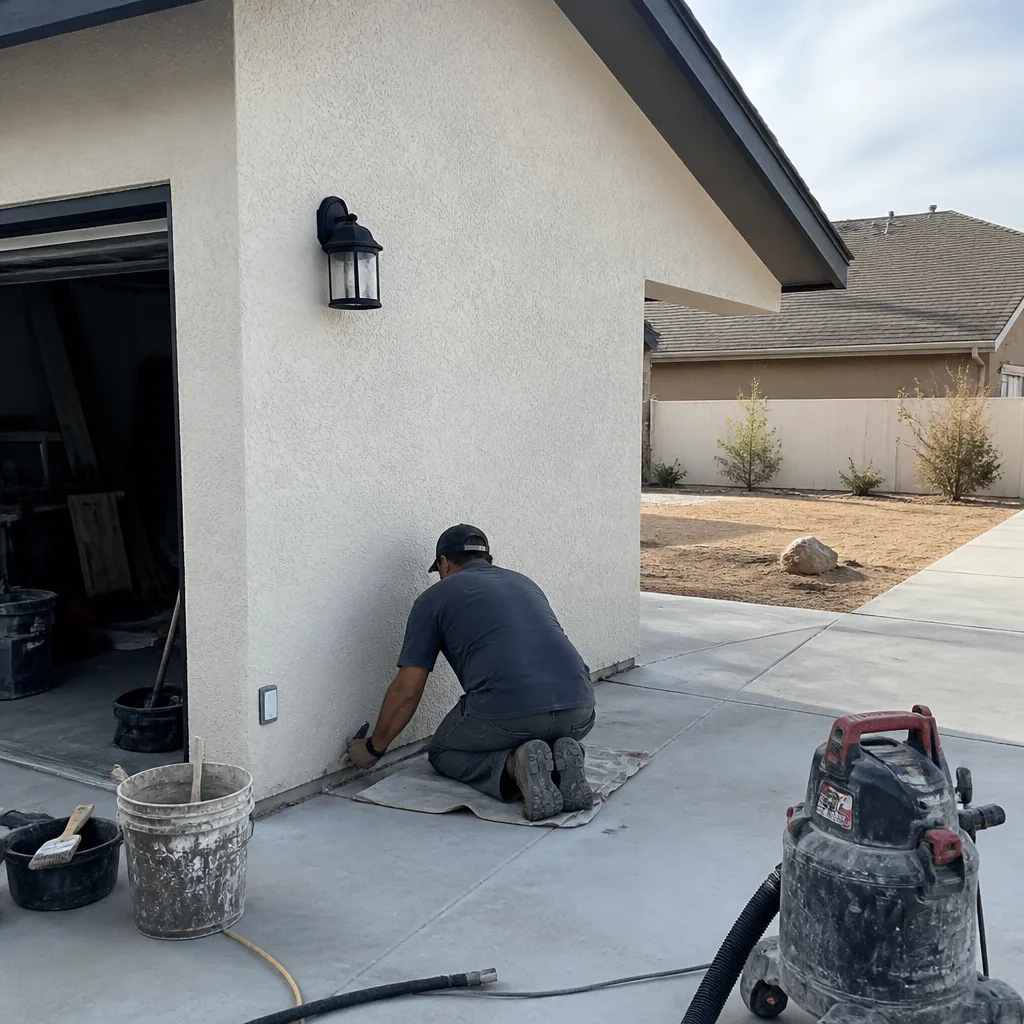
- Basic landscaping and hardscape prep. You can plant, mulch, build garden beds, and even lay a small paver patio without a permit in Hesperia, provided you’re not changing drainage patterns or building retaining walls over 3 feet. Belgard and Unilock both publish DIY installation guides for small paver projects. A 100-square-foot paver path in the backyard is a reasonable weekend project.
- Trim carpentry and interior finish work. Baseboards, crown molding, wainscoting, built-in bookshelves – decorative interior carpentry doesn’t require permits in Hesperia and the failure mode is cosmetic. A bad miter joint looks bad. It doesn’t leak or collapse.
- Caulking and sealing. Interior caulking around tubs, sinks, and windows is DIY-appropriate. Exterior caulking and sealing is different – failure means water intrusion. But interior sealing is a low-risk homeowner task.
- Cabinet hardware and door hardware. Swapping hinges, pulls, and doorknobs is straightforward. The existing rough openings and mounting points remain unchanged.
For each of these tasks, the same preparation rules apply: buy proper materials (a $12 caulk gun beats a $4 one), watch the manufacturer’s installation video, and give yourself twice the time you think you need. A rushed DIY job is where mistakes happen. Do the work on a schedule that allows you to stop and fix things without pressure.
The Sequencing Trap: Why DIY Phase One Makes Phase Two More Expensive
Here’s the error pattern we see repeatedly in Hesperia: a homeowner decides to self-perform the demolition and rough prep phase to save money, then hires a contractor to finish the job. The assumption is that they’ve saved the labor on the “unskilled” portion. In practice, this often increases the total project cost by 15 to 25 percent. Here’s the concrete example that explains why.
Imagine a kitchen remodel in a typical Hesperia home near Hesperia High School. The homeowner decides to handle demolition themselves: remove cabinets, pull the old countertops, tear out the sheetrock, maybe take down a non-load-bearing wall. They save $2,000 in demo labor. Then they call a general contractor to rebuild. Here’s what the contractor finds:
- The homeowner removed a wall that was actually supporting the ceiling joists because it wasn’t obviously load-bearing from the attic. Now there’s sag. The contractor needs to install a beam. That’s $3,500 in materials and engineering, plus the permit amendment.
- Demolition cut into electrical wiring that was routed through the soffit above the old cabinets. Now circuits are dead. The electrician needs to re-pull wire. That’s $800 to $1,200.
- The homeowner removed the old flooring down to the subfloor, but the subfloor now has water damage from the old dishwasher that was hidden by the previous tile layer. That’s $1,500 in subfloor repair before new flooring can go in.
- The cabinet layout the homeowner sketched doesn’t work with the existing plumbing rough-ins. Moving the sink line and the gas line for the range costs $2,000 in plumbing modifications.
Total cost of the sequencing error: roughly $7,000 to $9,000. The homeowner saved $2,000 in demo labor and created $7,000 in corrective work. And the project now takes three weeks longer because the contractor has to undo and redo decisions that were made without the full picture.
This is the hidden cost of DIY sequencing. A professional contractor evaluates the whole project before touching anything. They check what’s load-bearing, where the utilities run, what the existing conditions are behind the walls. When you hire a home renovation contractor in Hesperia from the start, that evaluation happens before demolition, not after. The money you save by doing Phase 1 yourself often gets spent – and then some – fixing the decisions made during Phase 1.
Using a General Contractor for Design and Permits While You Do the Labor
There’s a smarter path for the Hesperia homeowner who wants to self-perform portions of a project but recognizes the value of professional oversight. It’s a hybrid model where the contractor handles design, permitting, material specification, and inspection management while the homeowner takes on clearly-scoped labor tasks. This approach works well for homeowners who have genuine skills in one trade but not others, or who want to save money without absorbing the full risk of owner-builder responsibility.
Here’s how a hybrid arrangement typically works:
- Contract scope and split. You and the contractor define, in writing, exactly which tasks are contractor-performed and which are owner-performed. This avoids mid-project confusion. For example: contractor handles all rough framing, electrical, plumbing, and drywall. Owner handles painting, finish carpentry, and fixture installation.
- Permit responsibility stays with the contractor. The contractor pulls the permits, schedules inspections, and manages corrections. This is the single biggest value of the hybrid model. Hesperia’s inspection process can be challenging for homeowners, and a failed inspection resets the clock and adds fees. The contractor absorbs that scheduling burden.
- Material specification comes from the contractor. This is where Hampton’s 50-plus brand portfolio matters. The contractor specifies the materials – KraftMaid cabinets, Cambria countertops, Kohler fixtures, GAF roofing – and orders them through their supplier network. The homeowner doesn’t end up at a big-box store trying to figure out which underlayment meets Hesperia’s Title 24 requirements.
- Owner-performed work happens on a defined schedule. The contractor sequences the owner’s tasks so they don’t block the professional work. Owner painting happens after drywall mud is sanded and primed. Owner fixture installs happen after inspections pass. The schedule prevents the sequencing trap described above.
- Inspection coordination stays with the contractor. When the owner finishes their portion, the contractor inspects it before calling the City. If the owner’s paint work is fine but the caulking around windows is sloppy, the contractor flags it before the inspector does. This is a quality-control checkpoint that pure DIY never gets.
This hybrid approach works particularly well in Hesperia because the climate stakes are understood by the contractor. The contractor knows which exterior sealants hold up to Hesperia UV, which caulks the City inspector will check, and which details the high desert wind will exploit. The homeowner gets to own the satisfying work, and the contractor owns the risk.
Common Mistakes to Avoid
- Assuming you don’t need a permit because your neighbor didn’t get one. Your neighbor’s unpermitted patio cover might predate current Hesperia enforcement, or it might become a title defect when they sell. When the City discovers unpermitted work – and they discover it through sales inspections, insurance claims, and aerial photography – the correction order lands on the current owner. Don’t inherit a problem.
- Underestimating Hesperia wind loads. A fence, shed, patio cover, or trellis that would stand fine in Rancho Cucamonga might fail in Hesperia’s wind corridor. The Cajon Pass funnels wind with real force. Hesperia code requires specific anchoring for a reason. Follow it.
- Buying materials first, checking compatibility second. Not every product works in every climate. Some roofing underlayments are not rated for Hesperia’s heat. Some siding systems trap moisture in the desert’s low-humidity but high-condensation winter conditions. Buy materials after you understand the application, not before.
- Treating YouTube as a training program. A 12-minute video cannot teach you the full context of a 4-year trade apprenticeship. It can teach you specific techniques – how to cut a miter, how to set a post. It cannot teach you when those techniques are appropriate, which is the part that actually matters.
- Forgetting that inspections protect you, not just the City. A Hesperia building inspector is checking for code compliance that reflects decades of accumulated failure data. The inspection isn’t an obstacle; it’s a quality checkpoint you’re already paying for through your permit fees. Skipping it doesn’t save you anything in the long run.
- Saving money on the wrong line items. The place to save isn’t on structural materials, waterproofing, or anything buried inside a wall. It’s on finish-level items you can easily replace. The homeowner who buys the cheapest roofing underlayment to save $300 is making a decision that could cost $15,000 in damage if the underlayment fails.
- Starting demo without a full plan. Demolition feels productive. It’s also where the most expensive DIY mistakes happen – cutting a wire, hitting a water line, removing a structural element. Never open a wall until you know what’s inside it. In Hesperia homes built in the 1980s and 1990s, wiring and plumbing routing often surprises even experienced contractors.
When to Call a Professional
Call a professional when the project requires a Hesperia permit, when the work touches the roof or any exterior envelope that faces UV and wind exposure, when the task involves electrical or plumbing beyond fixture swaps, when the project spans multiple trades, or when a mistake would be expensive to undo. A licensed contractor absorbs the liability, manages the inspections, and – crucially – carries the material warranties that protect your investment over 15 or 30 years. If you’re planning a whole-home renovation, a kitchen or bath remodel, exterior work, or an ADU or prefab addition in Hesperia, the math on professional installation is straightforward—our General Contractor Maintenance Checklist for Hesperia Homeowners can help you protect that investment long-term. Hampton Contractors offers free estimates in Hesperia. Call (833) 467-4075 to talk through your project and get honest guidance on what’s worth doing yourself and what isn’t.
Frequently Asked Questions
You need a permit in Hesperia if the bathroom remodel moves plumbing, changes electrical, modifies walls, or adds ventilation. A cosmetic refresh – new vanity, new toilet in the same location, new paint, new light fixture swappled at the same junction – typically doesn’t require a permit. When in doubt, call the Hesperia Building and Safety Department before starting, because the correction for unpermitted bathroom work can be expensive when it’s discovered at resale. Call (833) 467-4075 for help determining whether your specific project needs a permit.
A general contractor in Hesperia typically charges $75 to $150 per hour for skilled labor depending on the trade, plus a markup on materials. DIY labor savings on a kitchen remodel might be $8,000 to $15,000. But corrective work from DIY errors can cost more than that: $3,500 for a beam install, $2,000 for plumbing rework, $1,500 for subfloor repair. The true comparison is DIY labor savings versus the cost of the most likely error, not the cost of the project done perfectly—our General Contractor Troubleshooting: Common Problems and How to Fix Them covers the errors we see most often. For a free estimate on your Hesperia project, call (833) 467-4075.
Yes, California allows owner-builders to pull permits and manage their own projects in Hesperia. You carry the liability, schedule the inspections, hire the subcontractors, and absorb the cost of any rework. Owner-builder is viable if you have construction management experience and the time to be on-site regularly. For most homeowners, the general contractor’s coordination and liability transfer is worth the fee, especially on projects over $50,000.
In most cases, no. Homeowner’s insurance covers sudden and accidental damage from covered perils like fire, wind, or water leaks from failed systems. It does not cover damage caused by your own construction errors. If you install a window incorrectly and it leaks, the water damage claim will likely be denied because the proximate cause was faulty workmanship, not a covered peril. Professional contractors carry their own liability insurance, which is one of the reasons the Hampton Contractors home team carries full coverage on every Hesperia project.
The most common DIY failure in Hesperia is improper exterior sealing – caulk and flashing details that fail under UV and wind exposure within one to three years. A homeowner installs an exterior door or a window, seals it with hardware-store caulk, and the seal fails after two summers of Hesperia sun. Water enters, and the repair cost far exceeds what professional installation would have cost originally. Exterior sealing is the highest-consequence, lowest-visibility DIY task in the High Desert climate.
A professionally managed kitchen remodel in Hesperia typically takes 6 to 10 weeks from permit-ready to final inspection. A bathroom remodel runs 3 to 6 weeks. A homeowner-managed project of the same scope typically takes two to three times longer, partly because of learning curve and partly because the homeowner can’t coordinate the trade sequence the way a contractor does. The schedule matters because a half-finished remodel is disruptive. If your Hesperia kitchen is going to be down, you want it down for 8 weeks, not 6 months. Call (833) 467-4075 to get a realistic timeline for your specific project.
The Bottom Line
The DIY-versus-hire decision in Hesperia comes down to three questions: does the project require a permit, does it expose materials to High Desert conditions where an error compounds, and does sequencing create hidden costs if you self-perform one phase and hire another. If the answer to any of those is yes, the professional route costs less in the long run, often dramatically. Where DIY makes sense – painting, fixture swaps, finish carpentry, small landscaping – do it deliberately, with proper materials and realistic timelines. Where it doesn’t, hire a licensed contractor who carries the warranties, the liability, and the coordination burden, and explore our more guides & resources for additional homeowner guidance. That’s not weakness. That’s arithmetic.
Written by the team at Hampton Contractors, serving Hesperia since 2016.
See the difference
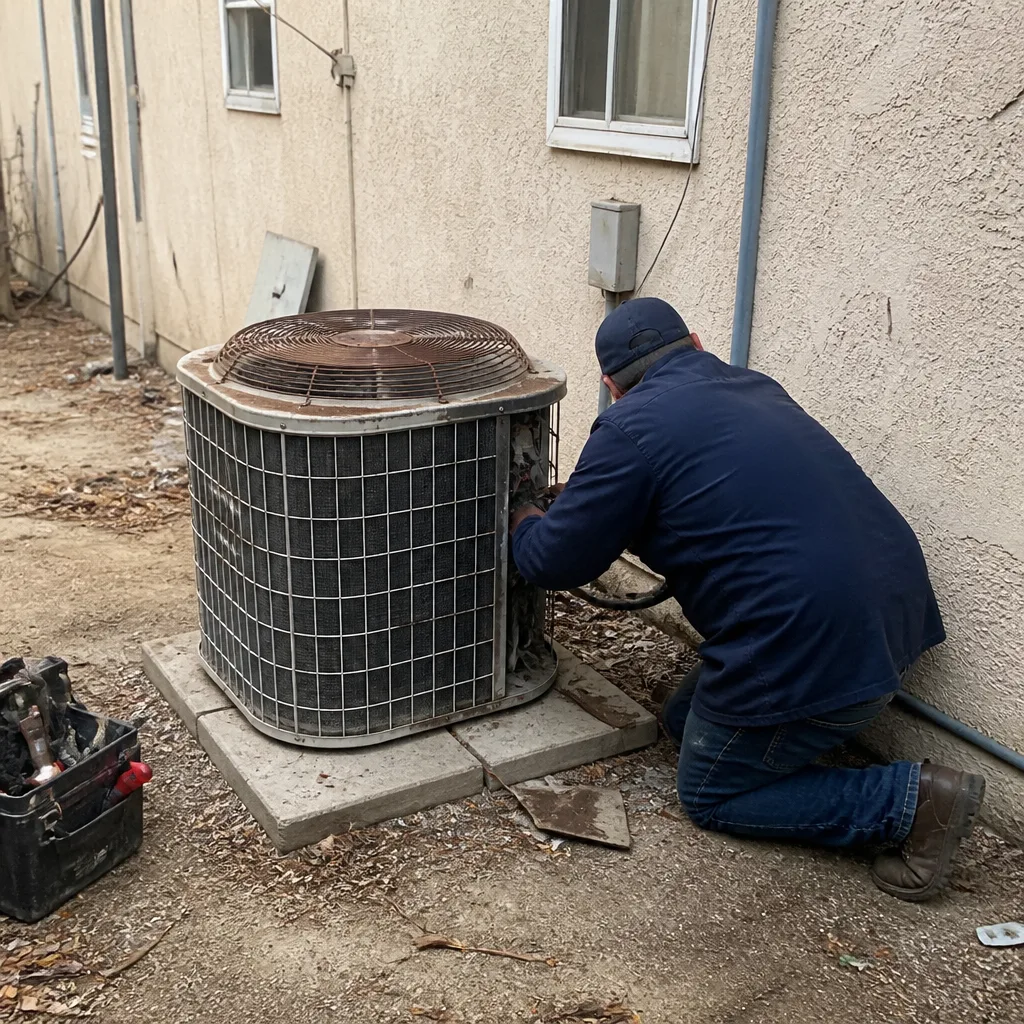 Before
 After
 Before
 After
 Before
 After