
Last updated October 30, 2026
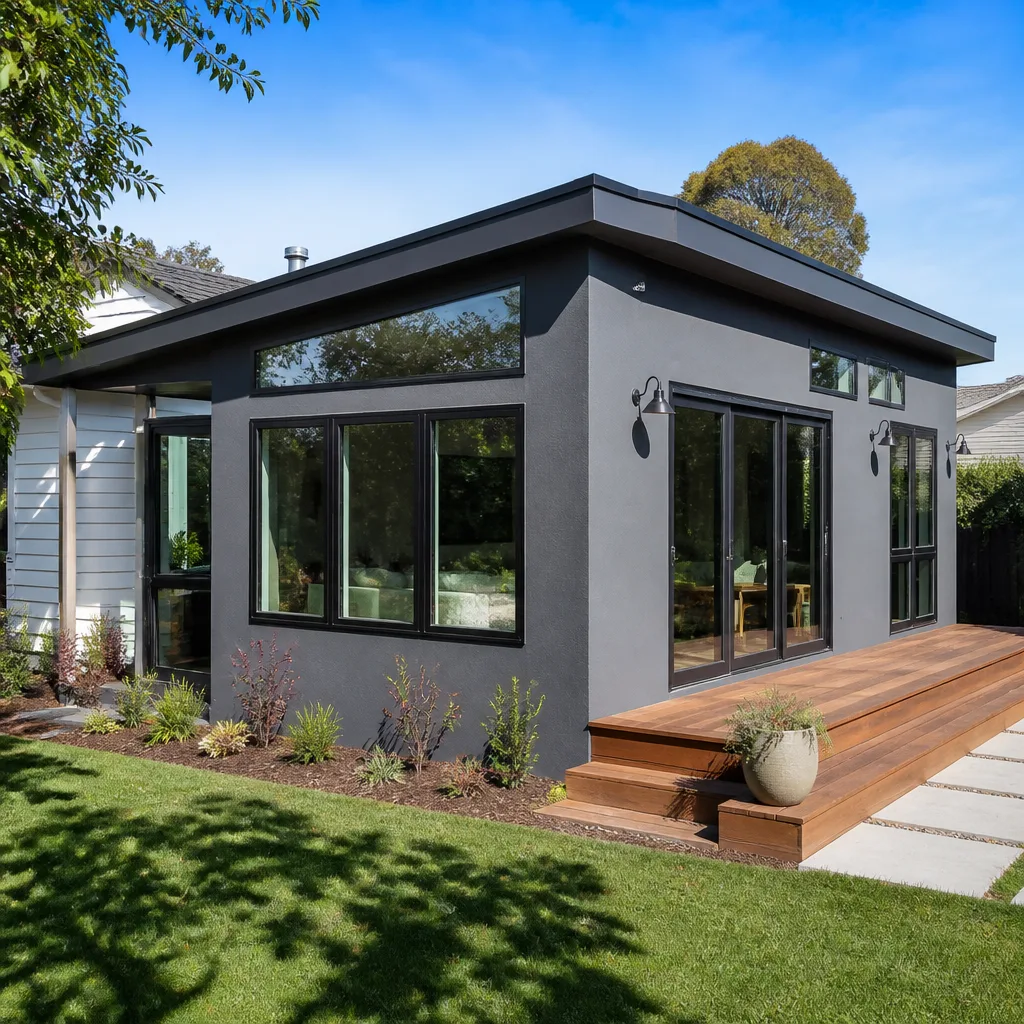 Home additions & ADU
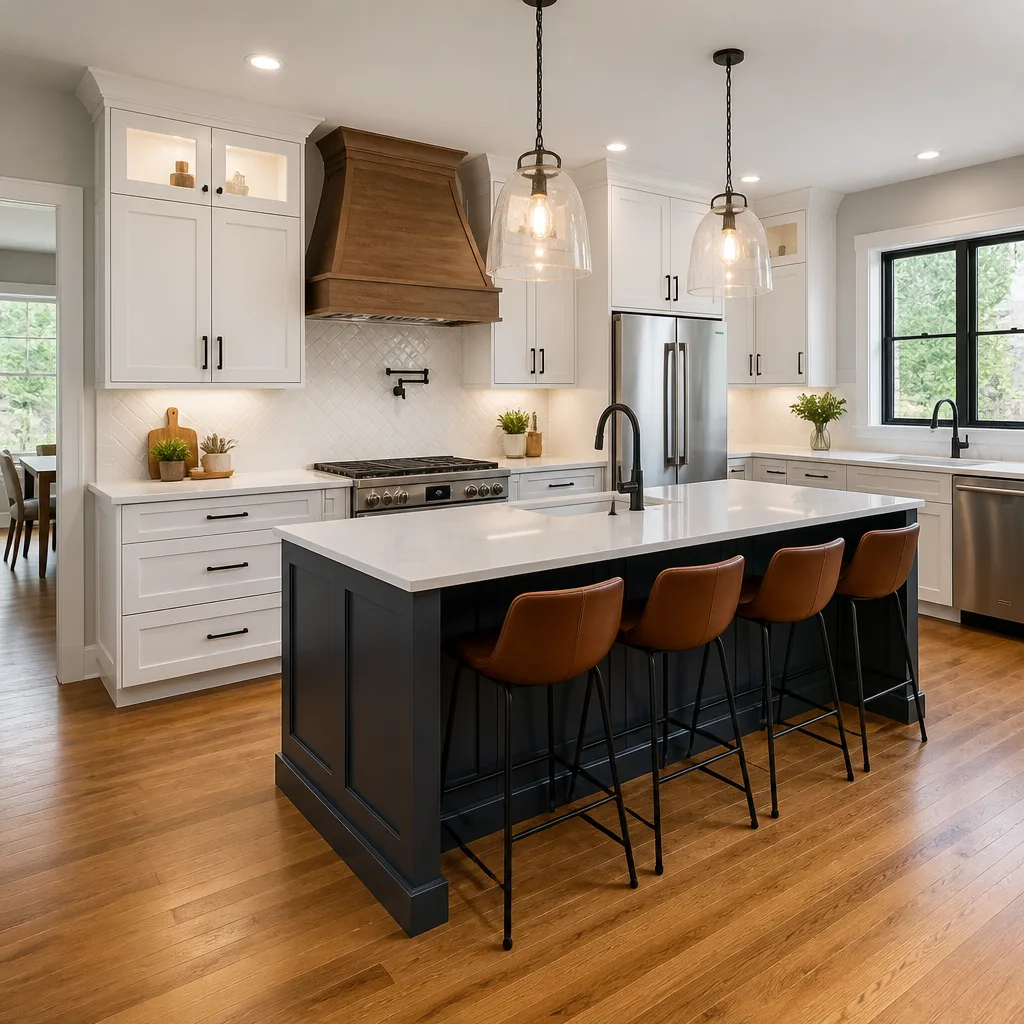 Kitchen remodeling
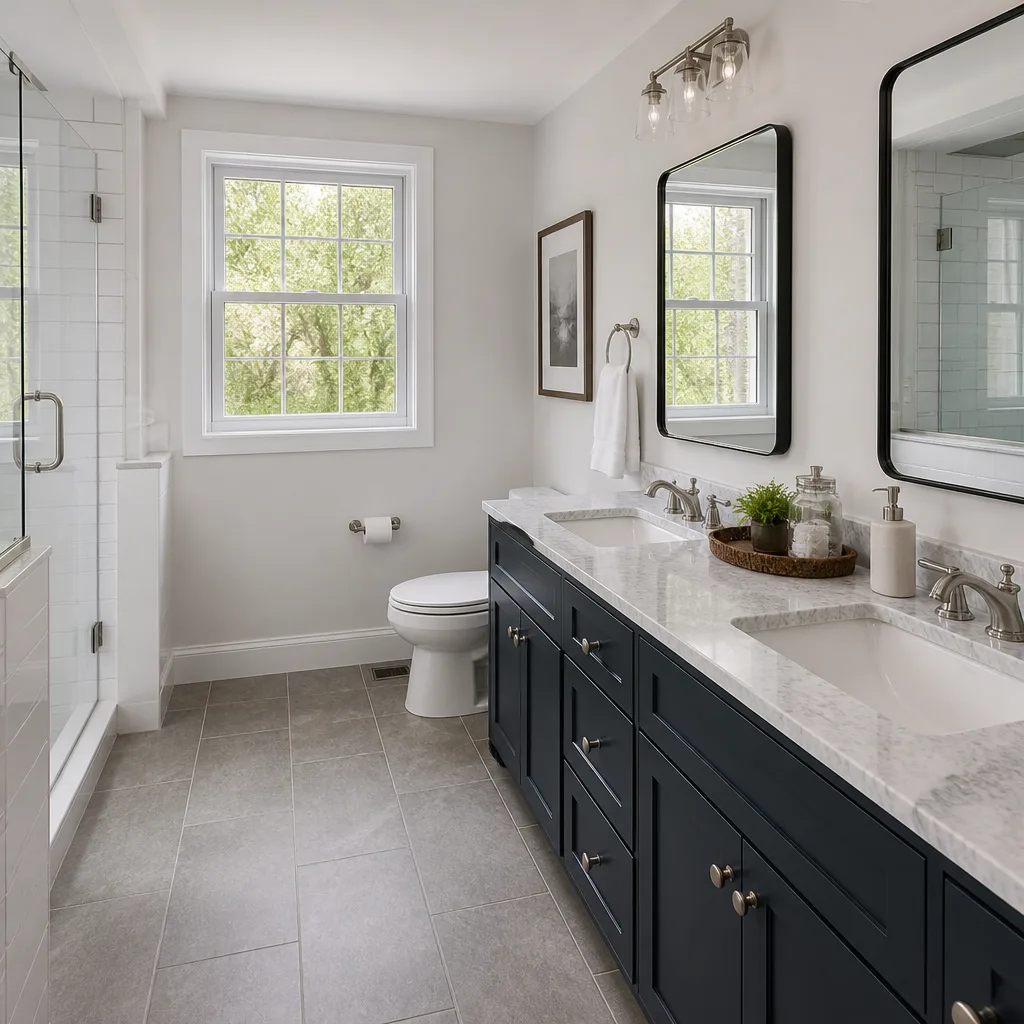 Bathroom remodeling
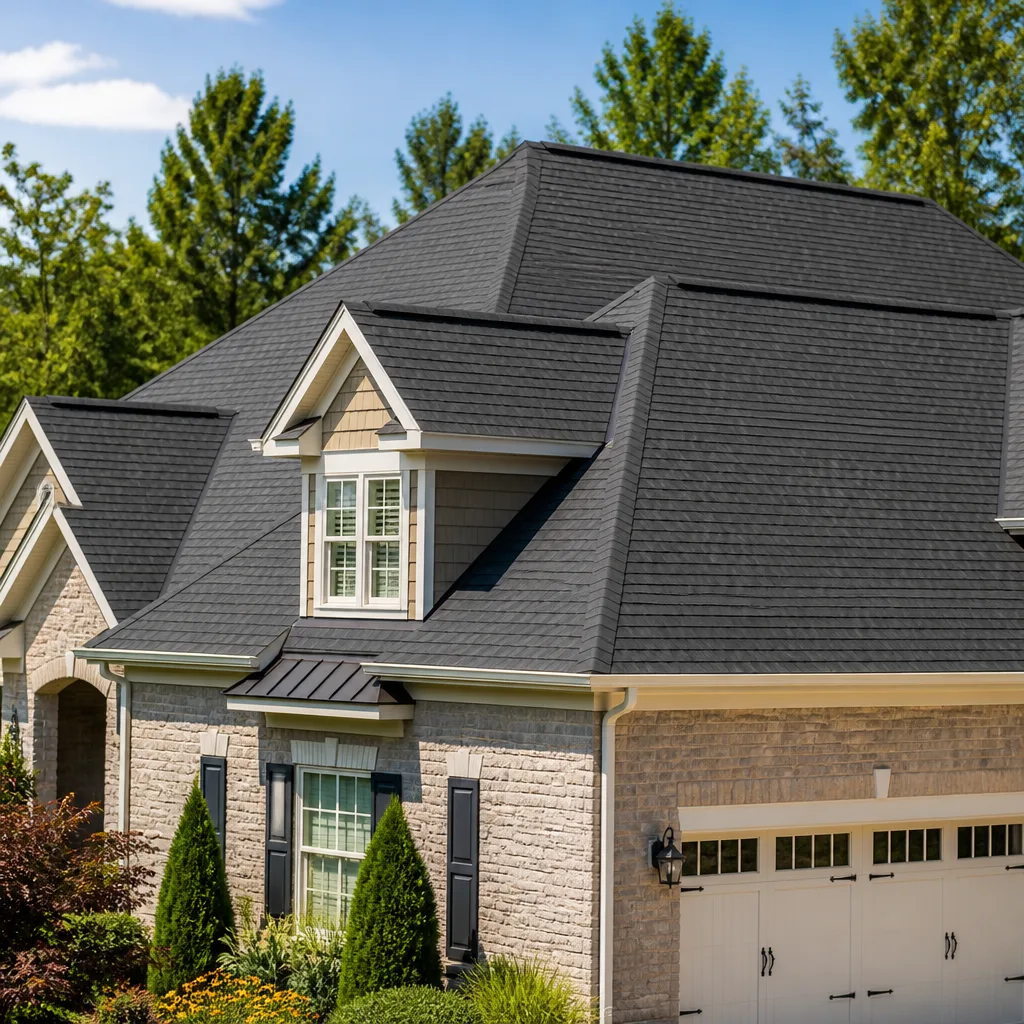 Roofing
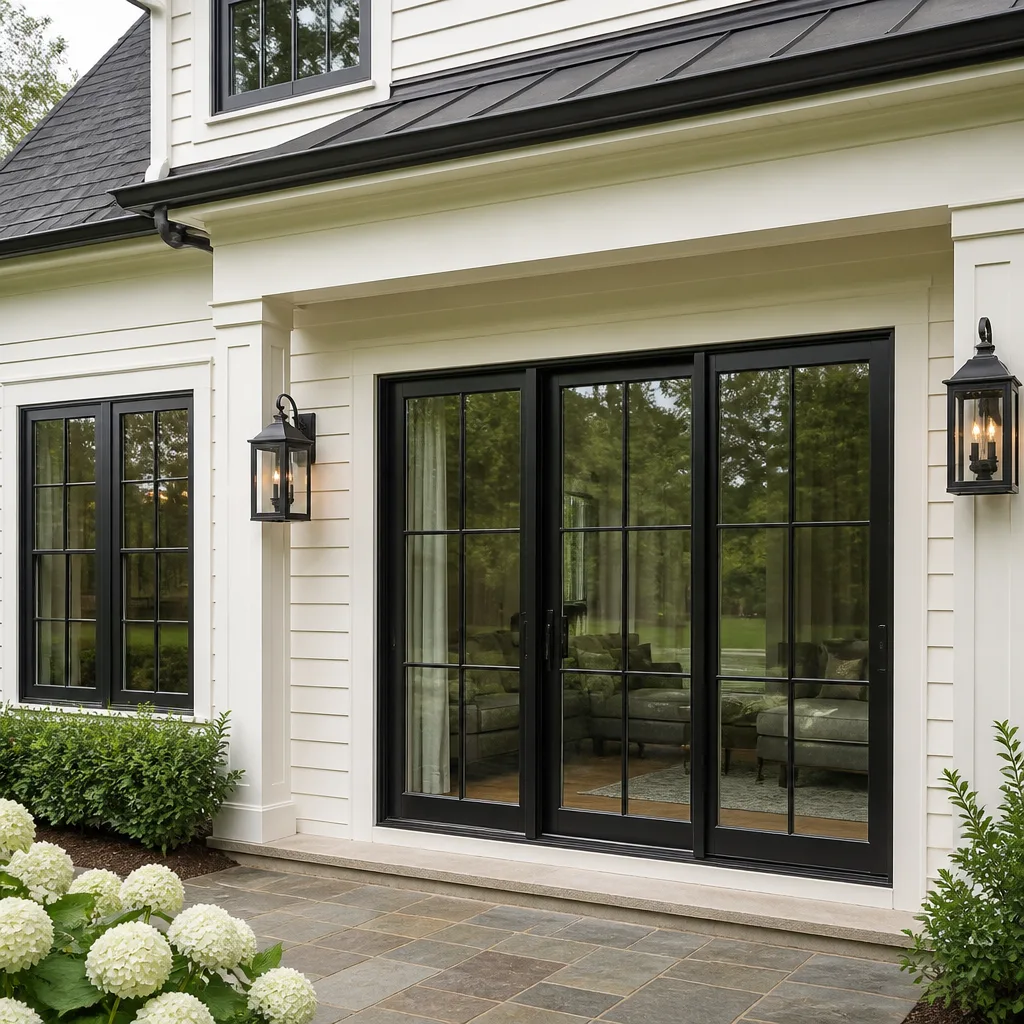 Windows & doors
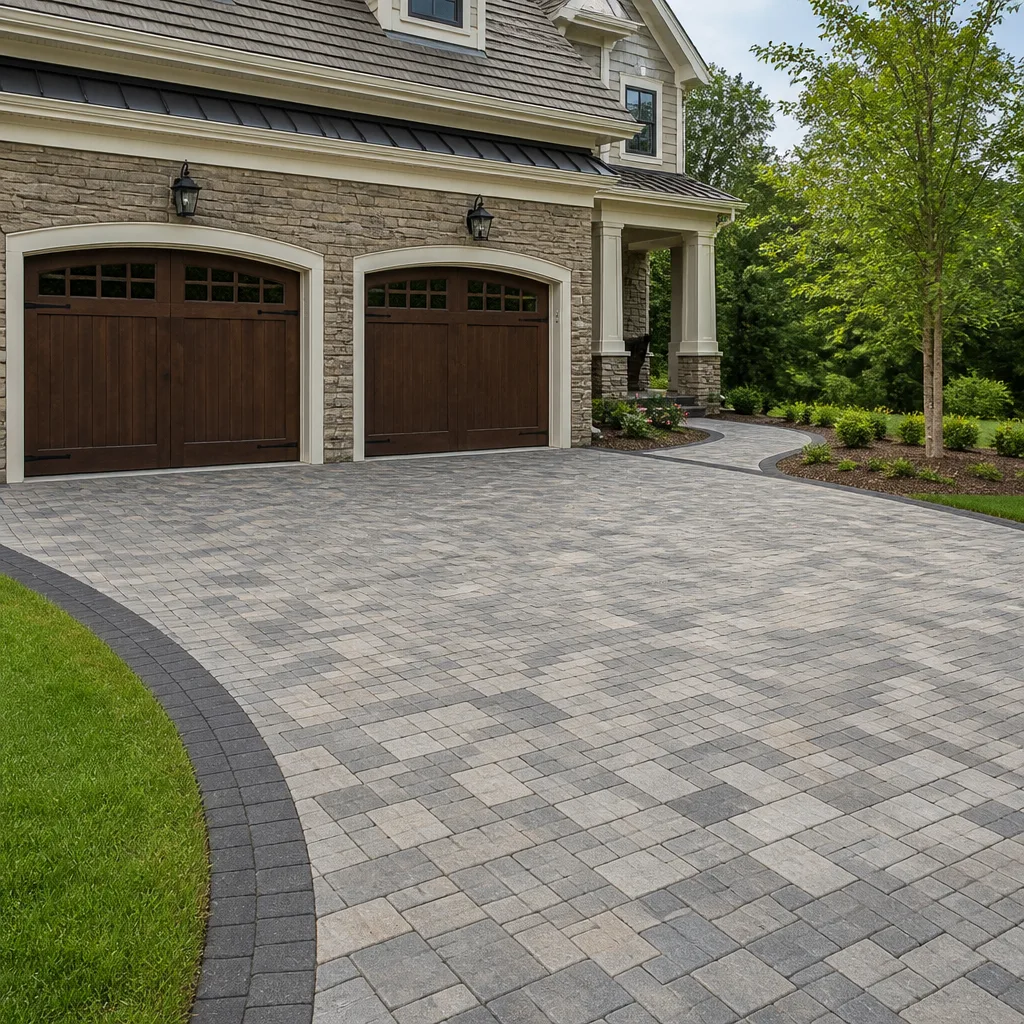 Driveway & pavers
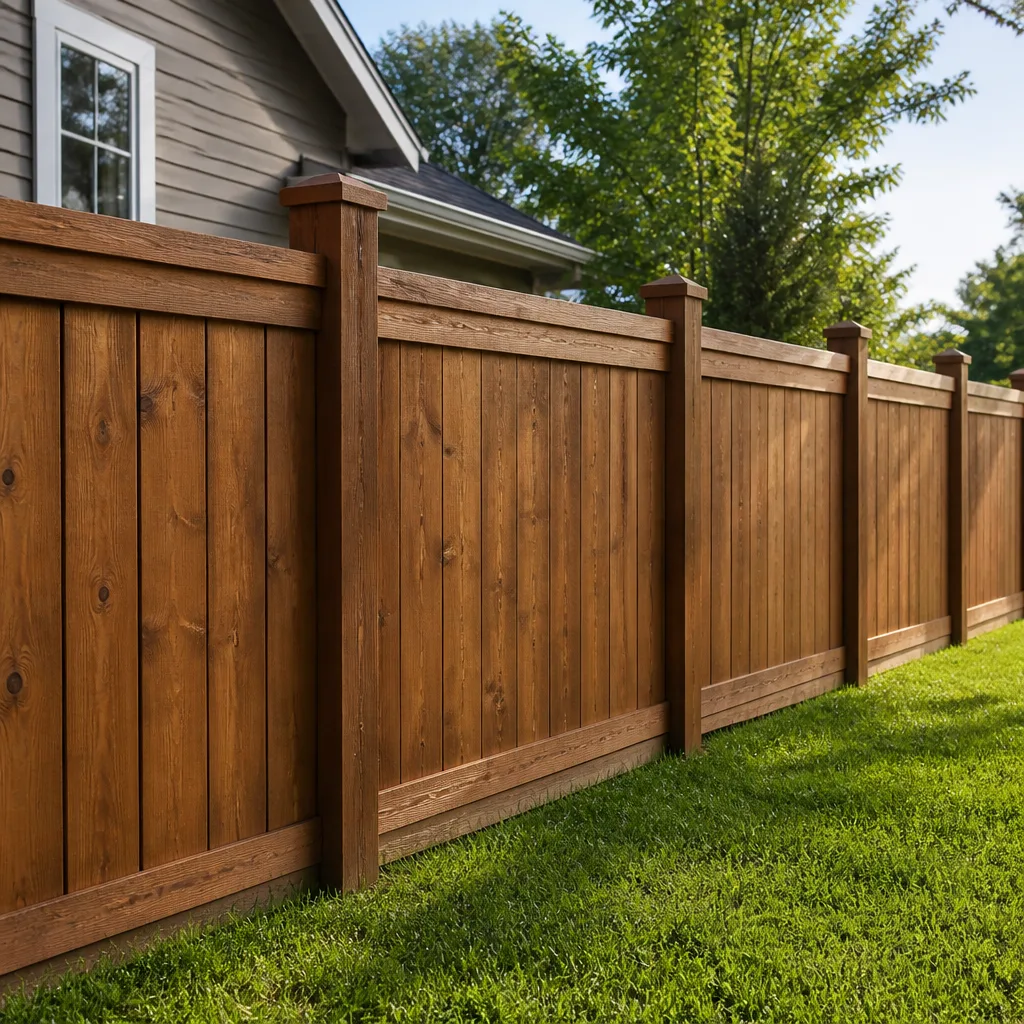 Fence
Free written scope consultation - allowances, timeline, and change-order rules on paper before a single trade is scheduled
Construction Emergency Preparedness Guide for Hesperia Homes
When a 70 mph wind event hits Hesperia, the homes that sustain the most damage are rarely the oldest. They’re the ones with deferred flashing maintenance, loose patio cover attachments, and roofing that was never re-secured after the last event. Emergency preparedness in the High Desert is a maintenance discipline, not a supply kit. This guide maps the specific wind, wildfire, and freeze risks Hesperia homeowners face to the structural and material preparations that actually reduce damage and speed insurance recovery. For more guides & resources, visit our blog. You’ll learn what to inspect before wind season, which retrofits matter for ember resistance, how to document your home for faster claims, and how to vet a contractor when everyone in Hesperia needs one at the same time.
Quick Answer
Construction emergency preparedness for Hesperia homes means hardening the structure against three specific threats: high-wind uplift and debris impact, wildfire ember intrusion, and rapid freeze-thaw cycles that crack exterior materials. The most effective steps are pre-season structural inspections (roofing fasteners, flashing, patio cover anchors, gutters), ember-resistant retrofits (vent screens, sealed eaves, non-combustible deck surfaces), and a documented home construction file that speeds insurance claims after any event. Most Hesperia homes can complete these preparations within one to two weekends, and the work pays for itself in reduced deductible exposure and faster recovery. See our guide on Construction Permits, Codes & Inspections in CA: What You Need to Know before starting major retrofits.
Styles & brands we work with
Table of Contents
- Hesperia’s Wind and Fire Profile: What You’re Actually Preparing For
- The Pre-Wind-Season Structural Checklist
- Ember-Resistant Retrofits for Hesperia’s Fire-Adjacent Zones
- Freeze-Thaw Cycles and the Hidden Damage They Cause
- The Home Construction File: Documenting Before the Event
- Post-Event Inspection Sequence: What to Self-Assess and What Needs a Pro
- Vetting Emergency Repair Contractors After a High Desert Storm
- Material Selection: Building in Resilience When You Remodel
Hesperia’s Wind and Fire Profile: What You’re Actually Preparing For
Hesperia sits in a wind corridor that produces sustained Santa Ana events and sudden downslope gusts that routinely exceed 60 mph. The Victorville-Hesperia corridor regularly records some of the highest wind speeds in San Bernardino County. The wind doesn’t arrive alone. It dries out vegetation, carries embers from distant fires, and tears at anything loosely attached to a structure.
Three overlapping risk factors define Hesperia’s emergency profile:
- High-wind uplift and debris impact. Wind loads pull upward on roof edges, push sideways against fence lines, and turn unsecured patio furniture into projectiles. The damage pattern is predictable: ridge caps go first, then fascia and gutters, then loose roof decking.
- Wildfire ember intrusion. Most homes lost to wildfire are not consumed by a flame front. They ignite when wind-blown embers enter attic vents, settle in leaf-filled gutters, or lodge against combustible siding and deck materials. Hesperia’s fire-adjacent designation puts every home in the ember zone, even those far from forested areas.
- Rapid freeze events. The High Desert swings from daytime highs to overnight freezes during late fall and early spring. Water that enters small cracks in stucco, concrete, or roofing materials expands when it freezes, widening those cracks and creating pathways for the next rain to cause more damage.
What connects all three is that the damage amplifies over time. A loose ridge cap doesn’t fail on a calm day. It fails during the wind event, taking adjacent shingles with it. A clogged gutter doesn’t cause a problem in summer. It creates the fuel bed for an ember ignition in October. Preparedness in Hesperia means breaking that amplification cycle before the event.
The Pre-Wind-Season Structural Checklist
Hesperia wind season runs roughly from September through April, with peak Santa Ana activity in October through January. The most effective preparation happens in August and September, before the first serious event. We’ve seen the same failure points across hundreds of Hesperia homes, and they cluster into five areas.
- Patio cover anchor points. Nearly every Hesperia home has a patio cover, and nearly every patio cover is under-anchored for the wind loads this region produces. Check every post base for corroded brackets, missing bolts, or posts that simply sit on concrete without positive attachment. Look at the header-to-post connection too – if you can see daylight between the post and the beam, the cover is lifting in wind. The fix is straightforward: structural connectors and proper fasteners at every post-to-beam and post-to-concrete junction.
- Roofing fastener inspection. Shingles, tiles, and metal panels lift when fasteners back out or corrode. Walk the roofline from the ground with binoculars first. Look for shingles that sit slightly proud of their neighbors, exposed nail heads, or tiles that shifted out of alignment. On the roof itself, which a professional should inspect, the key zones are the ridge line, hip lines, and the leading edges where wind pressure is highest. Hesperia’s temperature swings cause thermal cycling that works fasteners loose faster than in coastal climates.
- Loose ridge cap identification. The ridge cap is the most vulnerable component of a composition shingle roof in a wind event. Once it loosens, wind gets underneath it and peels back shingles in both directions. From the ground, look for a ridge line that’s uneven, with caps sitting at slightly different angles. After any wind event over 40 mph, check again. A ridge cap that moves once will move again, more destructively, the next time.
- Gutter security. Gutters in Hesperia collect wind-blown sand, pine needles from high-desert pines, and leaf litter. That debris adds load and creates a fire hazard. Check that gutter hangers are spaced no more than 24 to 30 inches apart and that no section sags. A sagging gutter pulls away from the fascia in wind, taking fascia boards and shingle edges with it. Clean gutters before Santa Ana season and again after each major wind event.
- Fence line stability. Wood and vinyl fences in Hesperia fail at the post base or the panel-to-post connection. Walk the fence line and push on each post. If a post moves more than half an inch, it’s compromised. A falling fence panel becomes a projectile in 60 mph winds, and it often lands on a window, patio door, or the neighbor’s car. Replace rotted posts before the season, and consider metal post anchors for any post that sits in soil or against an irrigation line.
If any of these inspections turns up a problem you’re not comfortable fixing, a General Contractor in Hesperia can perform a pre-season structural walkthrough and address every item in one visit. It’s faster and cheaper than post-event repair work, and it’s the kind of work we do constantly from September through November.
Ember-Resistant Retrofits for Hesperia’s Fire-Adjacent Zones
Ember intrusion is the failure mode most Hesperia homeowners don’t think about until a fire burns within sight of their neighborhood. But the physics are simple: embers travel miles ahead of a fire front, and they enter homes through openings smaller than a golf ball. Closing those openings is the single most effective retrofit most homeowners can make.
The priority order for ember-resistant retrofits in Hesperia:
- Attic and eave vent screens. Standard attic vents have openings large enough for embers to pass through. Replace them with vents that carry 1/8-inch or smaller mesh screening, or install screening over existing openings. This is the primary ember entry point and the first retrofit we recommend. It’s inexpensive, takes a contractor less than a day, and addresses the most common ignition source in wind-driven fires.
- Eave and soffit detailing. Hesperia homes built in the 1980s and 1990s often have open eave construction or vented soffits with gaps that embers find during wind events. Sealing those gaps with fire-rated materials and ensuring soffit panels are tight to the framing reduces exposed combustible surface area. If you’re replacing soffits anyway, consider fiber cement material with venting built to Wildland Urban Interface standards.
- Deck surface material selection. Wood decks attached to Hesperia homes create a fuel bridge from the ground to the wall. Embers settle in the gaps between deck boards and smolder against the joists. When replacing a deck or building a new one, consider composite decking with a Class A flame spread rating, or at minimum treat the space between deck and wall with a metal flashing detail. The deck-to-wall junction is the right place to focus – that’s where wall siding ignites.
- Gutter debris as fuel. We discussed gutter cleaning in the wind section, but it serves double duty here. Leaf litter in gutters is premium ember fuel. During fire season, gutters with even a modest layer of debris become ignition points that spread fire into the roof edge and eave. If wildfire season arrives while your gutters are full, clean them or have them cleaned before a red flag warning lands on your phone.
Hesperia’s fire risk is not hypothetical. The city sits in a fire hazard severity zone designated by Cal Fire, and insurance carriers have responded by requiring documentation of ember-resistant retrofits for new policies and renewals in certain neighborhoods. The work you do now becomes evidence for your insurer later. A Home Remodeling in Hesperia project that includes vent screens, eave tightening, and deck surface replacement is functionally a resilience upgrade with a design benefit.
Freeze-Thaw Cycles and the Hidden Damage They Cause
Hesperia freezes hard in winter. December and January overnight lows routinely drop into the 20s, and early-spring cold snaps happen after daytime temperatures have warmed enough to open up small cracks in exterior materials. Water enters those cracks, freezes, expands by roughly nine percent, and widens the gap. The next rain enters deeper. Over several seasons, this cycle turns hairline cracks into structural problems.
The materials most vulnerable to freeze-thaw cycling in Hesperia:
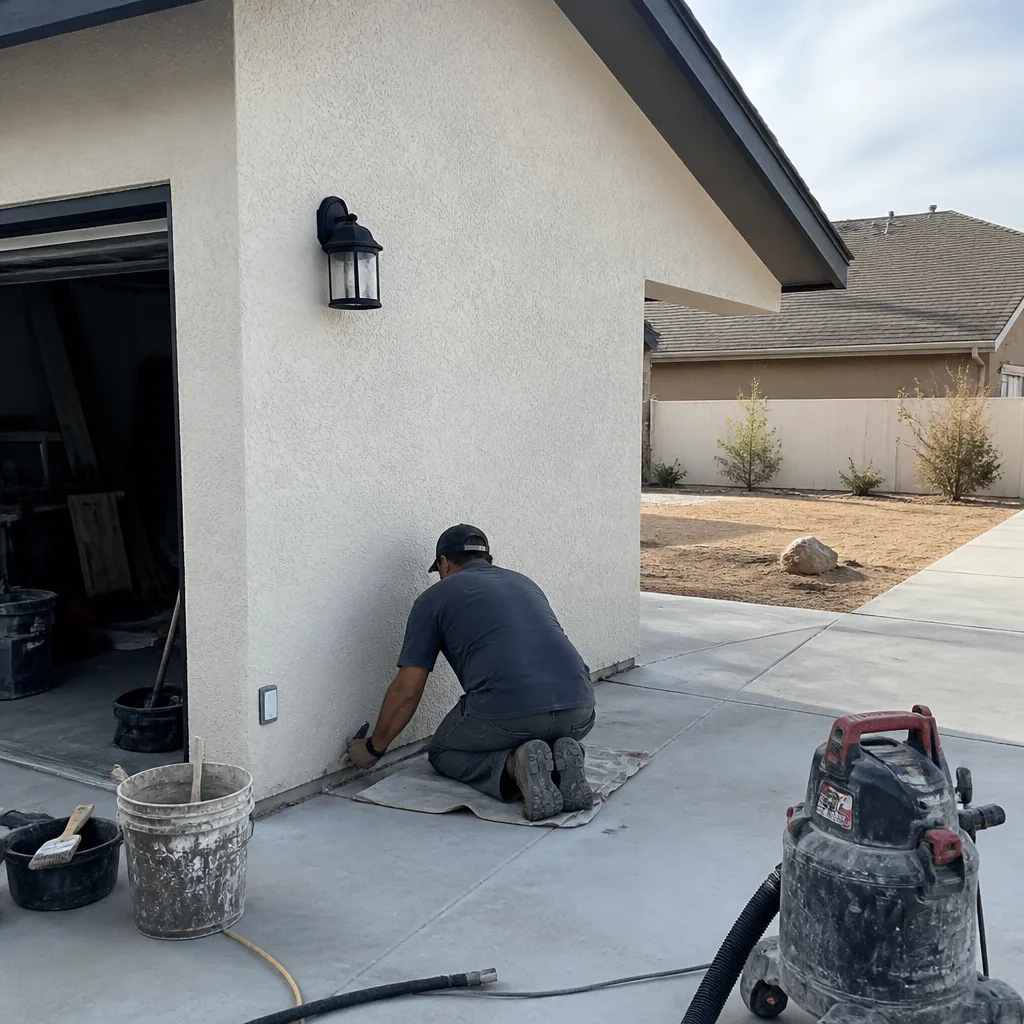
- Stucco exterior walls. Small cracks in stucco are normal, but in Hesperia they migrate during freeze season. A crack wider than 1/16 inch that runs diagonal from a window corner or a door frame is a moisture entry point. Seal it before November with a paintable elastomeric caulk. Cracks wider than 1/8 inch may indicate structural movement and deserve a professional look.
- Concrete flatwork. Driveways, walkways, and patio slabs in Hesperia crack during freeze cycles when water pools on the surface. The fix before winter is drainage: make sure water sheets off concrete rather than pooling, and seal any existing cracks with concrete crack sealer to prevent water from reaching the sub-base. A slab that heaves in February is a bigger problem than a hairline crack sealed in September.
- Roofing edge flashings. The metal flashing at roof edges, valleys, and penetrations expands and contracts in response to Hesperia’s temperature swings. Over time, the nail holes through the flashing enlarge, and the fasteners loosen. Water enters through those enlarged holes during winter rain, and freeze cycles do the rest. Edge flashings should be checked every two to three years as part of a roofing maintenance cycle.
- Irrigation line exposure. Exposed irrigation lines and hose bibs freeze during Hesperia cold snaps and split. A split irrigation line floods the foundation area, which saturates the soil, which heaves during the next freeze, which cracks the driveway and sometimes the foundation edge. Winterize irrigation lines and insulate hose bibs before the first hard freeze.
Freeze-thaw damage is the quiet version of the wind problem. It doesn’t announce itself. It accumulates until something fails in a visible way, and by then the repair bill is larger than the prevention would have been. The pattern holds across everything we’ve covered in this guide: Hesperia emergencies are prepared for in the maintenance cycle, not the response.
The Home Construction File: Documenting Before the Event
Insurance claims after a Hesperia wind or fire event move faster when the homeowner can prove what existed before the damage. The adjuster still has to verify conditions, but a dated photo log and a material file shortens everything. We’ve seen claims resolved in weeks when documentation was in place, and the same type of claim drag for months when it wasn’t.
Here’s what to build now, before any event:
- Interior and exterior photo sets. Walk the entire property with a phone camera. Shoot every wall of every room, every exterior elevation, the roof from at least four angles, the garage interior, the fence line, the patio cover, and any outbuildings. Date-stamp the photos and upload them to cloud storage. Update the sets annually and after any completed project.
- Receipts and product documentation. If you’ve replaced a roof, installed windows, remodeled a kitchen, or built a patio cover, keep the receipts, the brand and product names, and the contractor’s invoice. Material brands matter in claims. A GAF roof with a transferable warranty is documented differently by the adjuster than an unbranded roof of unknown provenance. The same applies to PGT windows or a CGI door system – brands carry installation standards and warranty documentation that simplify the claim.
- Permit records. Hesperia requires permits for structural work, reroofs, and major remodels. A permit record proves the work was done to code, which matters when an adjuster questions whether a failure was pre-existing. Keep permit numbers and final inspection sign-offs in the file.
- Contractor contact information. Know who installed what, and keep their phone numbers. If a post-event inspection reveals an installation defect, the installing contractor may need to be involved in the repair or the claim process. A Home Renovation in Hesperia project that’s documented well from day one makes the post-event phase dramatically simpler.
- A simple floor plan with dimensions. Sketch or measure each room and note fixed features. If the worst happens and a rebuild or major repair is required, square footage and layout documentation accelerates the estimate process. This is also useful for future remodel planning, so it’s not wasted effort.
Store the file in at least two locations – cloud storage and a local copy on a drive that isn’t in the house. If the house itself is damaged, the local copy may be inaccessible. Cloud storage with shared access to a spouse or family member is the default recommendation.
Post-Event Inspection Sequence: What to Self-Assess and What Needs a Pro
The hours after a Hesperia wind event or nearby fire are chaotic. The urge to climb on the roof and assess damage is strong. In most cases, that’s the wrong move. Here’s the sequence that keeps you safe and preserves evidence for the claim.
- Ground-level visual sweep. Walk the property perimeter first. Look for fallen branches, displaced roof material on the ground, missing shingles or tiles visible from the ground, sections of fence down, patio cover movement, and debris against the structure. Photograph everything from where you stand. Do not climb onto the roof or into the attic yet if the structure shows signs of compromise – sagging ridge lines, walls that lean, or visible cracks wider than a pencil.
- Interior check. Go inside and check ceilings for water stains, especially along the perimeter of rooms and around light fixtures and vents. Check windows and doors for operation – a door that suddenly sticks or won’t latch may indicate frame movement. Check the attic for daylight visible through the roof decking, which indicates lifted or missing roofing material. This is safe to do from inside when it’s not safe to walk the roof.
- Document first, then mitigate. Before you tarp a damaged roof or board a broken window, photograph the damage in context. Wide shots first, then close-ups. Keep receipts for tarps, plywood, and any emergency materials – they’re recoverable in many claims. The documentation order matters: photos first, mitigation second.
- Professional assessment threshold. Call a licensed contractor before anyone goes on the roof if the roof shows missing material beyond a shingle or two, if the ridge line looks uneven from the ground, if the patio cover moved on its posts, if fencing fell against the house, or if you see water stains inside. Structural compromise means the next person on the roof or near a wall is taking a risk that requires professional judgment and safety equipment.
- Insurance notification. Contact your insurer within 24 to 48 hours. They’ll schedule their own inspection, but having a contractor’s assessment in hand gives you an informed position during that conversation. A contractor who has already seen the damage can explain what the adjuster will find, and what the repair scope will realistically include.
The pattern across our Hesperia storm-response work is consistent: homeowners who follow this sequence get faster, more complete repairs. Homeowners who climb on the roof at night to “get a head start” end up with larger claims, injuries, and sometimes both.
Vetting Emergency Repair Contractors After a High Desert Storm
After a significant wind event in Hesperia, out-of-area contractors arrive within days. Some are legitimate. Many are not. The pressure to sign a contract quickly is real – your home is damaged, the weather forecast shows more wind, and the adjuster hasn’t called back. That pressure is exactly what the bad actors count on.
The vetting process shortens to five questions:
- Are they licensed in California? Ask for a state contractor’s license number and verify it on the CSLB website before signing anything. Hesperia requires a California contractor’s license for any project over $500 in labor and materials, and unlicensed operators are a persistent problem after storm events. This is non-negotiable.
- Do they have a local Hesperia address? A contractor who can show you a local yard, a local office, or a history of completed Hesperia projects is accountable after the storm passes. An out-of-state operator with a hotel phone number and a rented truck can be gone in a week. Local presence matters more after a storm than at any other time.
- Can they provide references from prior Hesperia storm-repair work? Every legitimate local contractor has a trail of past projects. Ask for addresses you can drive past or owners you can call. If a contractor hesitates, that’s the answer.
- Do they pull permits on storm repair? Some storm repair work requires permits in Hesperia, particularly structural repairs, reroofs, and any electrical work. A contractor who says permits aren’t needed on work that obviously requires them is telling you they’re not willing to do the job to code. Walk away.
- What’s the payment structure? A contractor demanding the full project price upfront or a cash deposit before starting is a red flag. Standard practice is a partial deposit with progress payments tied to completed milestones. If the terms feel coercive, they are.
One more thing worth saying directly: after a major Hesperia wind event, the best contractors are already busy. They’re working through a waiting list from existing clients and referrals. That’s not a reason to rush into a contract with an unknown. It’s a reason to have a contractor relationship before the event. Homeowners who’ve completed a previous Home Remodeling in Hesperia project or a smaller repair already have a number to call when the storm passes. That relationship is part of the preparedness this guide describes.
Material Selection: Building in Resilience When You Remodel
Every remodel or renovation in Hesperia is an opportunity to upgrade the home’s resilience profile. The material choices you make during a kitchen remodel, a window replacement, or a patio cover project determine how the structure performs during the next wind event or ember intrusion. Here’s where brands matter, because they encode performance standards.
Windows and doors. Hesperia wind loads demand impact-rated or high-design-pressure windows, especially on elevations that face the prevailing wind. Brands like PGT and CGI are engineered for hurricane and high-wind zones, and their design pressure ratings make them the right choice for Hesperia’s exposure. A broken window during a wind event doesn’t just mean broken glass – it means wind pressurization of the building envelope, which is the mechanism that lifts roofs off walls. PGT windows with impact glass and reinforced frames keep the envelope intact, and the same applies to entry doors. A door that fails during a wind event becomes the opening through which the roof loads. We install impact-rated door systems as part of Hesperia exterior renovations specifically to close that failure mode.
Roofing. The roof is the primary sacrificial surface in a Hesperia wind event, and the difference between brands is measurable in wind warranty ratings. GAF, CertainTeed, and Owens Corning all produce shingles rated for 110 mph and above when installed with their specified fastener patterns and underlayment systems. The key word is system – a premium shingle on a substandard underlayment still fails, and vice versa. Matching the full system matters more than the shingle alone.
Fencing and patio covers. Hesperia fence failures are disproportionately in wood fences with surface-mounted posts. When replacing fencing, consider steel post systems like Master Halco or Ameristar, which anchor deeper and resist the wind loads that snap 4×4 wood posts. Patio covers get the same treatment: structural attachment to the house and footings at every post, not just anchor bolts into the slab.
Siding. James Hardie fiber cement siding carries a non-combustible profile that matters during ember events, and it outperforms vinyl and wood in wind-borne debris impact. If you’re re-siding a Hesperia home, the material choice is a resilience decision as much as an aesthetic one.
The broader point is that resilience isn’t a single retrofit. It’s a series of decisions made across every project. A Hampton Contractors home improvement project that upgrades windows, replaces a roof, and rebuilds a fence line can transform a home’s emergency performance in one season. The material brands carry the engineering. The installation carries the outcome. Hesperia’s weather doesn’t care about either – it tests both.
Common Mistakes to Avoid
- Treating preparedness as a one-time purchase. Hesperia homeowners sometimes buy a generator or a supply kit and consider themselves prepared. The structural work – fastener inspection, flashing maintenance, gutter cleaning – is the actual preparedness. Supplies help after the event. Structure reduces the event’s impact.
- Deferring flashing maintenance. Flashing failures are the leading cause of wind-driven water intrusion in Hesperia homes, and they’re invisible until the rain starts. A lifted flashing at a valley or a penetration leaks during wind-blown rain, and the water travels before it shows itself inside. Check flashings before the season, not after the stain appears.
- Ignoring small roof repairs. That one lifted shingle or shifted ridge cap is the failure point for the whole roof during the next Santa Ana. Small problems get large in a 70 mph event, and the repair cost scales non-linearly. A $200 repair in August prevents a $12,000 reroof in November.
- Failing to photograph the home before events. The pre-event documentation file is the cheapest insurance you’ll ever create. Homeowners who skip it spend the post-event period arguing with adjusters about what was damaged versus what was pre-existing. Thirty minutes of photography before the season saves weeks of claim delay after it.
- Hiring the first available contractor after a storm. Storm chasing is real, and Hesperia sees it after every major wind event. The pressure to sign quickly is the signal to slow down. Licensed, local, referencable – accept nothing less, regardless of the timeline.
- Leaving patio covers under-anchored. More Hesperia wind damage happens at patio covers than any other single feature, and almost all of it comes from inadequate post-to-concrete connections. Anchoring a patio cover is a one-day project. Watching it fold into the house during a wind event is a claim, a repair, and a safety incident.
- Keeping vent screens at standard mesh. Standard attic ventilation uses 1/4-inch mesh, which passes embers easily. The 1/8-inch or finer screening rated for wildfire zones is a small retrofit with an outsized effect on ember resistance. Most Hesperia homes still have the standard mesh.
See the difference
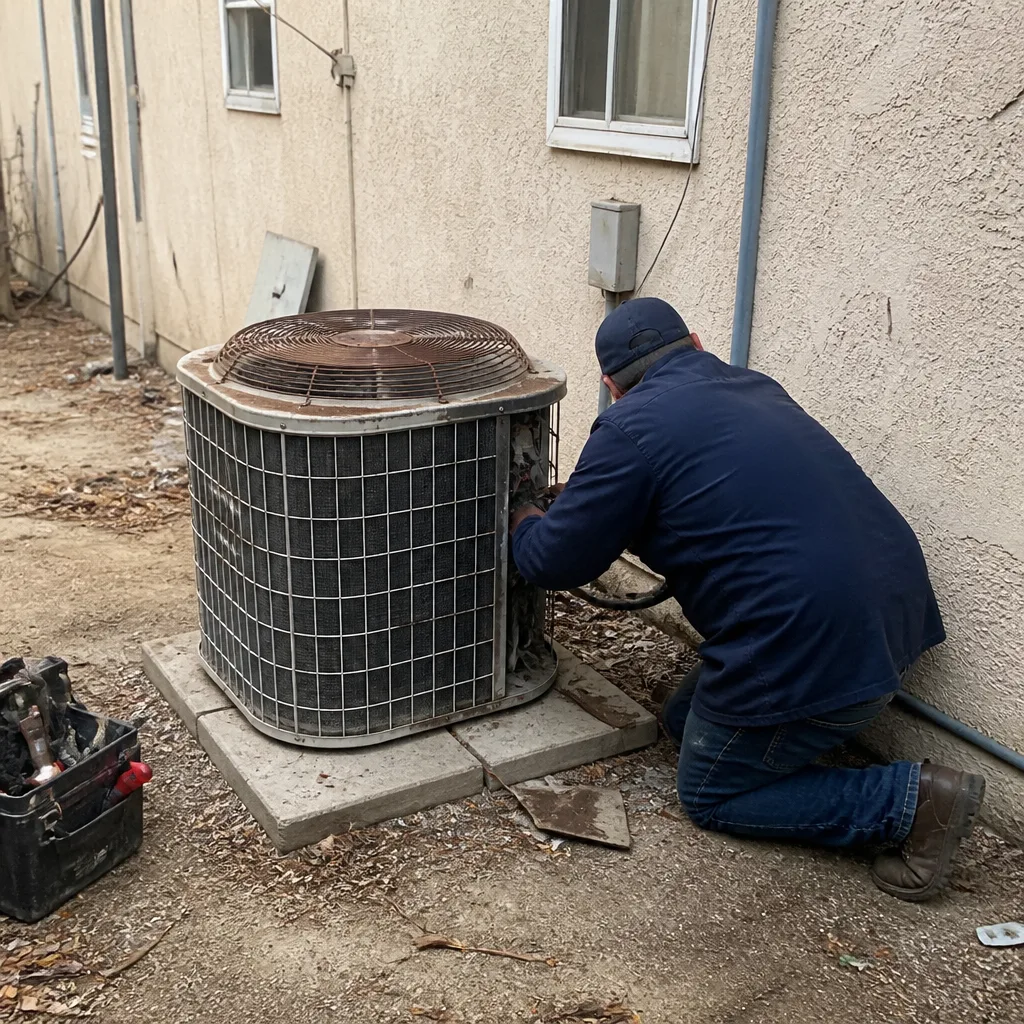 Before
 After
 Before
 After
 Before
 After
When to Call a Professional
Any of these situations signals that the problem has moved past homeowner capability and into professional territory: a roof that’s missing material beyond a few shingles, a patio cover that’s leaning or shifted after a wind event, water stains appearing on interior ceilings after rain, cracks in stucco wider than 1/8 inch that appeared suddenly, or any wall or roof line that’s visibly out of plane. If you’re not certain whether a structure is safe to walk under or enter, treat it as unsafe until a professional assesses it.
Hampton Contractors offers free estimates in Hesperia – call (833) 467-4075. We’ll assess the condition, document what we find, and give you a written line-item scope before any work begins. If the damage is from a recent event and you’ve documented it properly, we can coordinate directly with your adjuster to keep everything moving.
Frequently Asked Questions
The most important preparation is the pre-season structural inspection focused on wind uplift: roofing fasteners, ridge cap condition, flashing integrity, patio cover anchors, and gutter security. These five areas account for the large majority of Hesperia wind-event damage, and they can all be addressed before the season. Call (833) 467-4075 to schedule an inspection – estimates are free.
Protect your home from ember intrusion by installing 1/8-inch or finer vent screens on all attic and eave openings, sealing eave soffit gaps, cleaning gutters before and during fire season, and using non-combustible or ember-resistant materials at the deck-to-wall junction. These retrofits address the primary ignition mechanisms in wind-driven fires, which are ember entry and fuel accumulation, not direct flame contact.
Photograph every wall of every room, each exterior elevation, the roof from multiple angles, the garage interior, the fence line, the patio cover, and any outbuildings, with date stamps and cloud backup. Include receipts, product documentation, permit records, and contractor contact information in the same file. This documentation is what speeds insurance claims after an event.
Check every post base for structural brackets and proper fasteners, inspect the header-to-post connections for gaps, and push on each post to test for movement. If you see daylight between components, missing hardware, or posts that shift, the cover is under-anchored. A professional can retrofit the connections in a day, and this is the single most common structural failure we see after Hesperia wind events.
Do not go on the roof unless you’re trained, equipped, and certain the structure is stable. Start with a ground-level visual sweep, then check the attic from inside for daylight or water penetration, then photograph everything before mitigation. If damage extends beyond a shingle or two, or the ridge line looks uneven from the ground, call a professional. The inspection is free, and the roof is not.
Verify the California contractor’s license on the CSLB website, confirm a local Hesperia address, ask for references from prior local storm-repair work, confirm permits will be pulled where required, and reject any contractor demanding full upfront payment. Local, licensed, referencable – these three criteria eliminate almost every storm chaser who shows up in Hesperia after a major event.
The Bottom Line
Hesperia homes face a specific threat profile – high-wind uplift, ember intrusion, and freeze-thaw cycling – and the homes that perform best are the ones whose owners treated preparedness as a maintenance discipline. The pre-season structural checklist catches the failures before they cascade. Ember-resistant retrofits close the openings that let fire in. The home construction file turns a chaotic post-event period into an organized claim. And the contractor relationship you build before the storm is the one that serves you after it. Hesperia’s weather will keep cycling through its patterns. Your home can be ready for each one, or not. The difference is in the decisions made between the events, not during them.
Written by the team at Hampton Contractors, serving Hesperia since 2016.